What Abu Dhabi hotels will soon have to offer every guest
Framework covers eight stages of the guest journey, from pre-arrival to departure
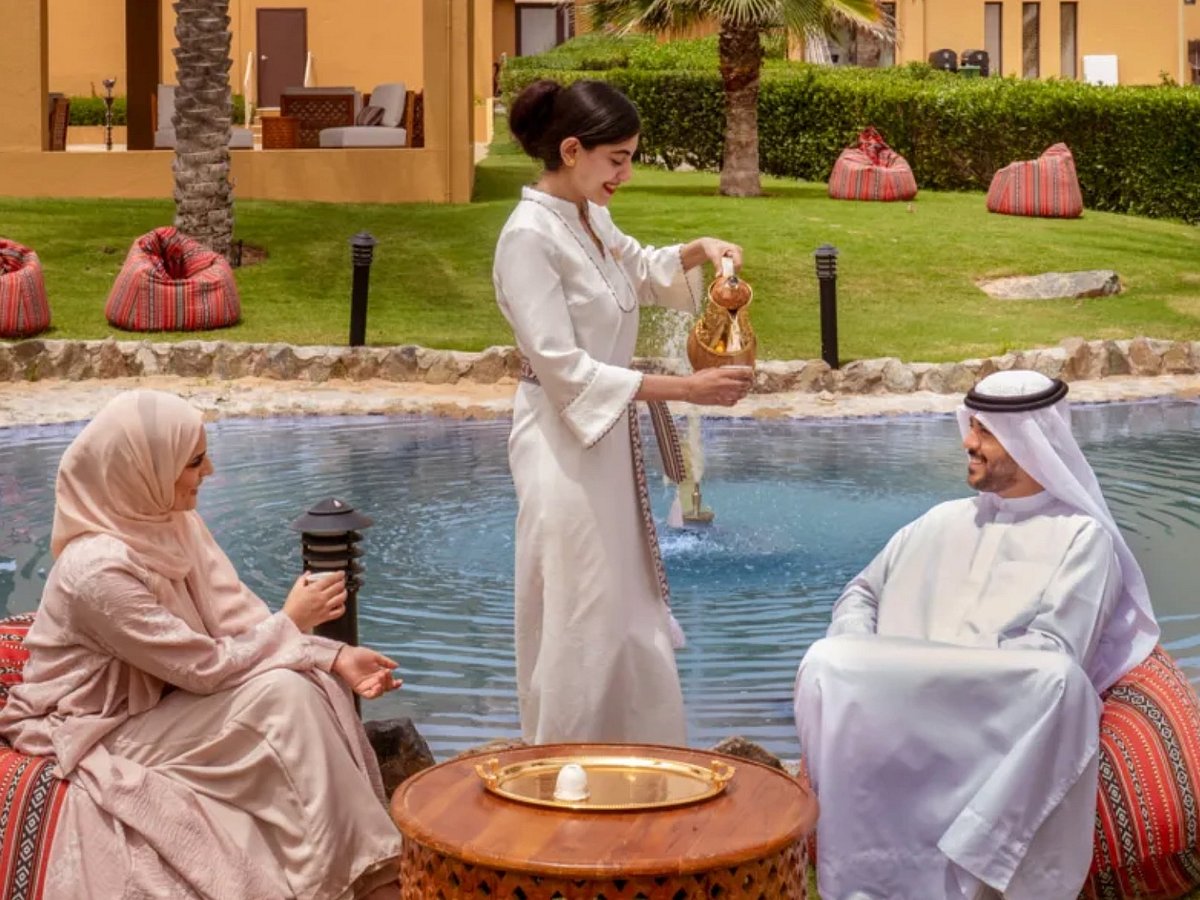
Abu Dhabi: Hotels and hotel apartments across Abu Dhabi will be expected to weave Emirati culture, customs and traditions more closely into the visitor experience under a new set of hospitality standards that will be introduced across the emirate from early 2027.
The Department of Culture and Tourism – Abu Dhabi has launched the Emirati Hospitality Standards, a framework comprising 65 measurable requirements covering eight stages of a visitor’s journey, from communication before arrival through to departure.
Get updated faster and for FREE: Download the Gulf News app now - simply click here.
The initiative is intended to establish a consistent approach to Emirati hospitality across the emirate’s accommodation sector, translating longstanding cultural values, including generosity, respect, welcome and attention to guests, into practical operating standards.
Developed in cooperation with the National Projects Office and with the support of the National Identity Committee of the Education, Human Development and Community Development Council, the framework places national identity at the centre of Abu Dhabi’s visitor experience.
Rather than treating Emirati culture as an additional feature of a hotel stay, Abu Dhabi want the principles associated with traditional Emirati hospitality to become part of the way properties receive, inform and serve their guests.
The standards are also intended to advance the UAE’s National Identity Strategy by turning social and cultural values into experiences that visitors can encounter directly.
Central to that approach is the Emirati concept of “Al Sanaa”, a body of customs and social etiquette associated with hospitality, courtesy and appropriate conduct. Its principles include generosity, welcoming guests, respect, appreciation and tolerance.
Under the programme, those values will be incorporated into different points of contact between visitors and hospitality establishments.
Guests could, for example, be welcomed with Arabic coffee and locally sourced varieties of traditional Emirati dates.
Hotels will also be encouraged to introduce visitors to traditional dishes including harees, a slow-cooked wheat and meat dish, and balaleet, a sweet and savoury vermicelli dish traditionally served with egg.
The measures are intended to make a hotel stay a broader introduction to Emirati society, giving visitors greater exposure to the emirate’s food, customs, history and cultural traditions rather than limiting their interaction with Abu Dhabi to conventional tourism attractions.
The standards include a series of mandatory requirements for hotels.
Properties will be required to provide explanations or links on their websites introducing guests to the history and culture of the UAE.
They must also send guests information before their arrival offering guidance on ways to experience the country’s culture, heritage and distinctive natural environment.
At least one member of staff in the reception area will be required to wear Emirati national dress, while guest-facing employees, including restaurant staff, will receive training that enables them to introduce and explain at least three traditional Emirati dishes and their place in the country’s culinary traditions.
Hotels will also be required to incorporate at least one design element inspired by Emirati heritage into a public area regularly used by guests.
The framework is designed to be flexible enough to accommodate differences between hospitality establishments rather than imposing an identical model on every property.
Hotels will be required to implement at least 20 standards, including 10 mandatory requirements and another 10 selected by the property.
Hotel apartments will operate under a simplified framework. The source information states that this will include five mandatory standards as well as five standards selected by the property.
Participating establishments will receive detailed implementation guidance, specialised training in Emirati culture and a comprehensive operating manual intended to ensure that the standards are applied consistently.
The initiative also forms part of the emirate’s broader Tourism Strategy 2030, which seeks to expand Abu Dhabi’s tourism economy while strengthening its appeal as a destination defined not only by service quality and major attractions but also by its cultural identity.
By embedding Emirati traditions in the hospitality sector, Abu Dhabi is seeking to differentiate the visitor experience in an increasingly competitive global tourism market.
The initiative presents national culture as a component of the emirate’s soft power: visitors who encounter local customs directly are intended to leave with a deeper understanding of Abu Dhabi and the society behind the destination.
The standards will move into full implementation across Abu Dhabi in the first quarter of 2027.
The Department of Culture and Tourism – Abu Dhabi also plans to introduce an Emirati Hospitality label for visitors, recognising properties that go beyond the minimum standards.
The label will have three levels of distinction, creating an incentive for hotels and hotel apartments to adopt additional measures and compete on the quality and depth of their Emirati cultural experience.
Network Links
GN StoreDownload our app
© Al Nisr Publishing LLC 2026. All rights reserved.