Ships stuck in Gulf face barnacles, jellyfish threat: Reports
Marine growth, heat and delays are worsening conditions for stranded ships and crews
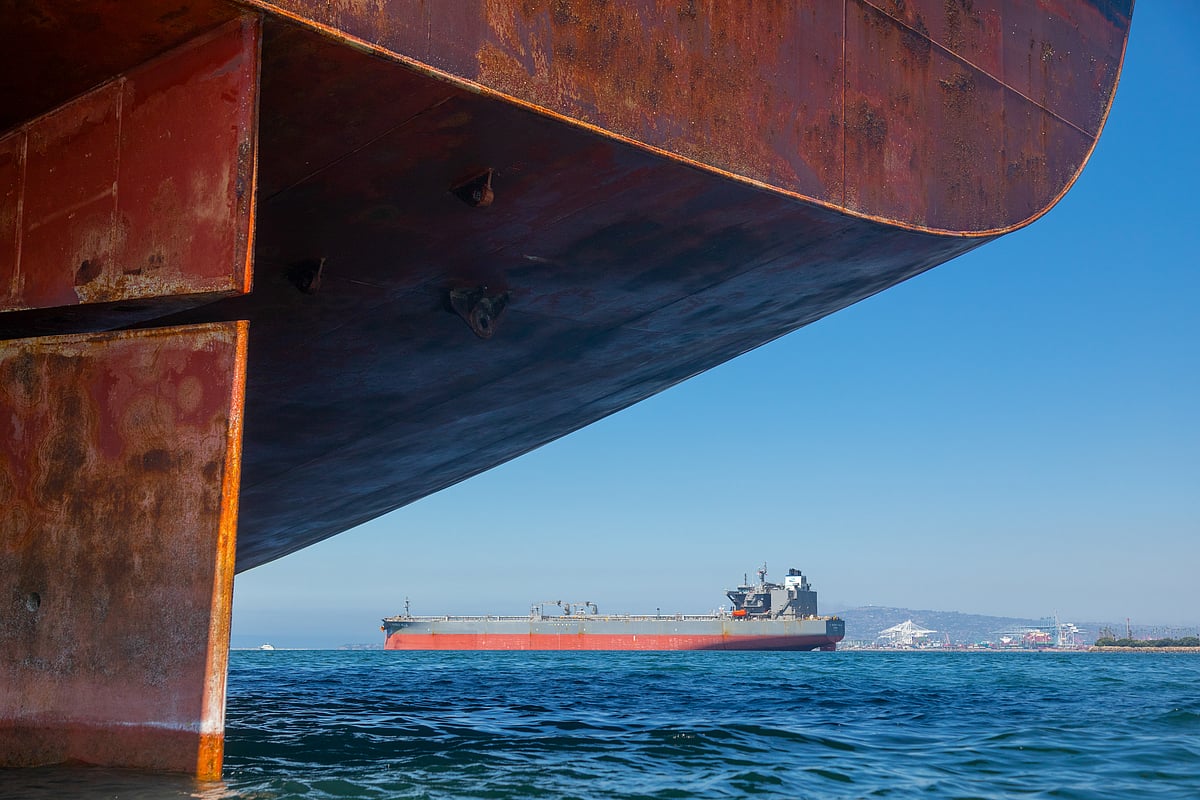
Dubai: Ships stranded in Gulf waters for weeks are now facing an unusual new problem — barnacles, algae and jellyfish are building up on their hulls and propellers, raising concerns that some vessels could struggle to leave even after the regional conflict eases.
The problem is adding to a shipping crisis that has already disrupted cargo flows, pushed up freight costs and forced trade to reroute across the region, including through UAE ports. Authorities such as Dubai Customs have introduced emergency logistics measures in recent weeks to ease the pressure and keep goods moving.
According to the Financial Times, at least 800 merchant ships remain stranded in Gulf waters after fighting broke out on February 28, leaving around 20,000 seafarers on board carrying out basic maintenance as they wait.
But long periods at anchor in the Gulf’s warm, shallow waters are now creating a fresh operational challenge.
“When you don’t move… you have a lot of fouling growing,” said Lasse Kristoffersen, chief executive of Wallenius Wilhelmsen, which has one ship currently stuck in the Gulf.
Marine growth such as barnacles, algae and jellyfish can clog protective gratings and interfere with pipe systems.
It can also attach to ship hulls and propellers, creating drag that slows vessels down and increases fuel use.
Ships slowed by barnacles
Rolf Habben Jansen, chief executive of Hapag-Lloyd, told FT that a vessel that managed to leave the Strait of Hormuz had to travel slower because of the drag caused by marine growth.
“The main surprise was the amount of fouling we had on the ship,” he said, adding that after spending six to eight weeks in waters of around 30C, “there was a lot of stuff that gets attached to the ship that you really don’t want to have attached to the ship.”
Hapag-Lloyd told the FT that marine growth and barnacles covered all of the ship’s propeller, much of its vertical sides and about 40 per cent of its bottom.
Habben Jansen said “quite a lot of cleaning” would now have to be considered for the company’s remaining ships trapped in the Gulf.
Shipping executives say fouling also raises fuel consumption because the ship has to work harder to move through the water.
Pressure builds across Gulf shipping routes
The marine growth issue comes on top of a wider regional shipping disruption that has already sharply increased costs and delayed cargo.
Industry officials in the UAE have said freight costs in some cases have risen four to six times as shipping lines divert away from traditional routes. That has triggered congestion at alternative ports and forced cargo to move through multiple regional gateways, including Fujairah, Khor Fakkan and Sohar, creating bottlenecks and tracking gaps for traders.
Rashid Darwish Almuhairi, Senior Consultant at Dubai Customs, told Gulf News in an earlier interview that one of the biggest challenges has been a “mismatch of capacity” as vessels shift to ports that are not equipped to handle the same volumes as major hubs such as Jebel Ali.
“Because of this disruption, the shipping lines are following other ports… the mismatch of capacity is the biggest challenge,” Almuhairi said.
Shipping agents have also flagged higher storage, demurrage and trucking costs as delays continue.
Dubai Customs emergency measures
To reduce the impact, Dubai Customs has introduced a series of emergency measures aimed at keeping supply chains moving.
These include a green cargo corridor between the UAE and Oman, extending transit timelines from 30 days to 90 days, allowing cargo diversion through multiple ports and setting up a one-stop shop for traders facing operational issues.
Dubai Customs also coordinated with customs authorities in Oman and across the GCC to streamline cross-border cargo movement.
“We engaged Sharjah customs, Oman customs… and facilitated the flow of the cargo,” Almuhairi said.
Authorities also prioritised the movement of essential goods such as food and medicine during the peak of the disruption.
“The prioritisation of the essential goods is to ensure the availability of the required stock in the market,” Almuhairi said.
Dubai Customs said its digital clearance systems have remained stable despite the disruption, with “98 per cent” of declarations auto-approved “within seven seconds”.
Crews facing worsening conditions
The longer ships remain stranded, the greater the pressure on crews.
Seafarers told industry groups they are struggling to get replacement parts for broken systems because ship owners are finding it difficult to arrange transport to vessels waiting offshore.
Manoj Yadav, general secretary of the Forward Seamen’s Union of India, said one ship had been waiting 15 days for a replacement GPS part that would normally have arrived within one or two days.
“In this situation the owners are not feeling comfortable to find a charter boat to take the material up to anchorage,” he said.
Yadav said the psychological strain on crews is also growing after some have spent more than 70 days on stationary ships.
“Their mind is upset because there is no job on board… It’s a kind of jail for them,” he said.
With Gulf summer heat intensifying and no clear resolution in sight, shipping companies are now dealing with an unusual reality: ships that are not moving are slowly becoming harder to move.

Sign up for the Daily Briefing
Get the latest news and updates straight to your inbox
Network Links
GN StoreDownload our app
© Al Nisr Publishing LLC 2026. All rights reserved.