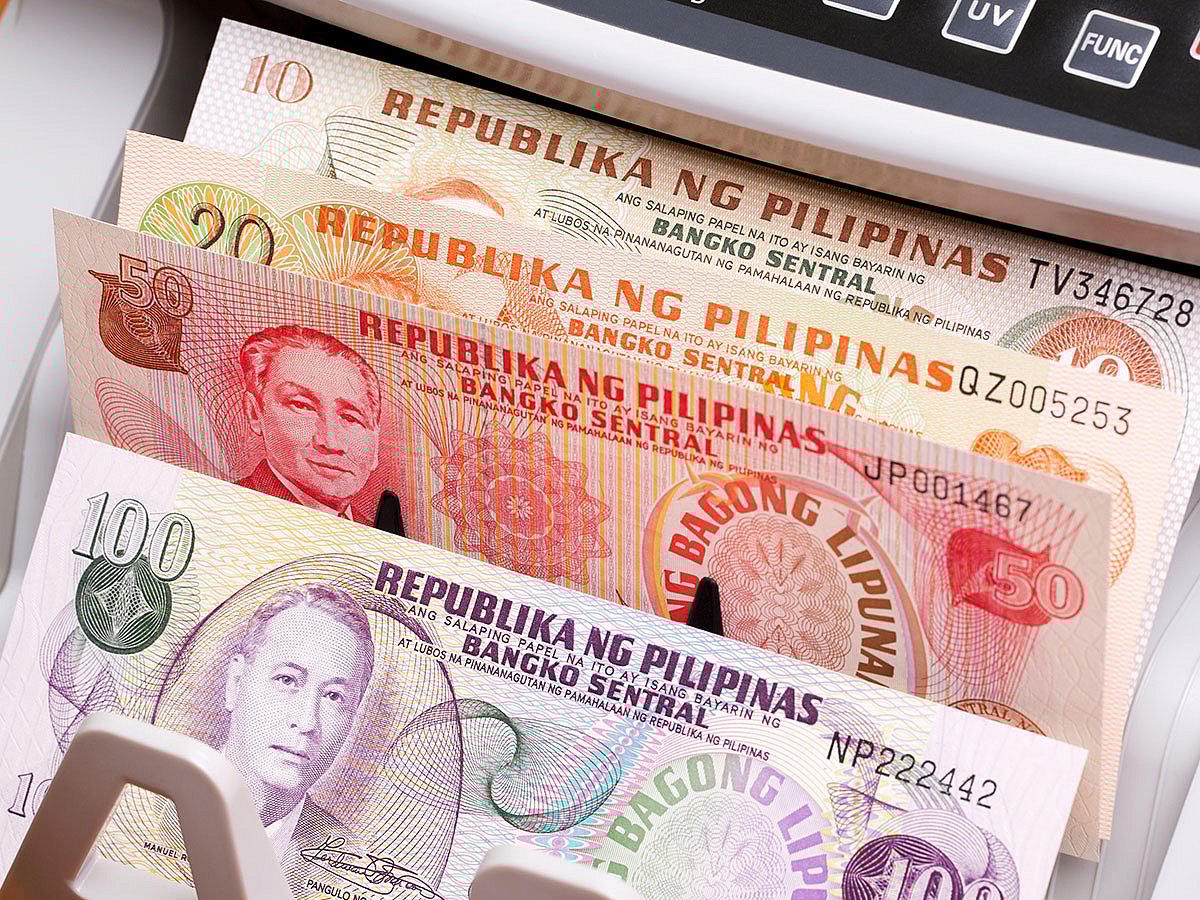
Dubai: The Philippine peso fell to a record low on Friday, adding fresh pressure on Filipino households and expats already dealing with rising costs linked to global oil prices. (Check live forex rates here)
At 12:25 pm, Dh1 was equivalent to 16.48 pesos, according to Xe.com, marking the weakest level on record. The currency has been trending lower over the past week, moving within a narrow but steadily weakening range, with volatility remaining contained even as pressure builds.
The decline reflects broader concerns around inflation and economic growth, both of which are being shaped by developments in global energy markets.
Stay updated: Get the latest faster by downloading the Gulf News app - it's completely free. Click here for Apple or here for Android. You can also find it on the Huawei AppGallery.
Inflation pressures build
Fuel costs in the Philippines have surged sharply, doubling over the past month as global oil prices reacted to tensions in the Middle East. The country’s heavy reliance on imports has made it particularly exposed to these shifts.
The central bank has now raised its average inflation forecast for the year to 5.1%, well above both its earlier estimate and its 2% to 4% target range.
That jump is feeding directly into currency weakness, with higher import costs and inflation expectations weighing on sentiment.
Central bank holds rates
Despite the inflation outlook, policymakers chose to hold interest rates steady at 4.25% in an unscheduled meeting, a move that caught economists off guard.
“Normally, with inflation going where it’s going, we would have hiked,” Bangko Sentral ng Pilipinas Governor Eli Remolona said.
He pointed to the nature of current price pressures, which are being driven by supply shocks rather than demand, limiting the effectiveness of tighter monetary policy.
“We also project growth to remain weak. In that regard, to raise rates at this time would be painful.”
Balancing inflation and growth
The decision highlights the difficult trade-off facing policymakers. While inflation is rising, economic growth has slowed significantly, with GDP expanding by just 4.4% in 2025, a post-pandemic low.
Higher borrowing costs could further weaken activity at a time when the economy is already under strain.
The central bank said tightening policy now could delay recovery, even as it remains alert to second-round effects from rising oil prices.
In a more extreme scenario, where oil prices climb further, officials signalled that rate hikes could still come back into consideration.
Market reaction and outlook
The unexpected decision to hold rates has reinforced a cautious stance, with economists interpreting the move as an attempt to reassure markets that risks are being closely monitored.
The peso’s weakness also raises the risk of imported inflation, adding another layer of pressure on households.
Attention now turns to the central bank’s next scheduled meeting on April 23, where policymakers will reassess the balance between inflation and growth.
With oil prices and geopolitical risks still in focus, the direction of the peso will depend on how these external pressures evolve in the coming weeks.
- With inputs from Bloomberg.

Sign up for the Daily Briefing
Get the latest news and updates straight to your inbox
Network Links
GN StoreDownload our app
© Al Nisr Publishing LLC 2026. All rights reserved.