Huda Al Hashimi, Deputy Minister of Cabinet Affairs for Strategic Affairs speaking at the Emerging Economies Forum on the final day of World Governments Summit.
Global trade is moving beyond old routes. Here’s where it’s heading
UAE–India partnership highlights how collaboration is deepening across regions
Last updated:
3 MIN READ
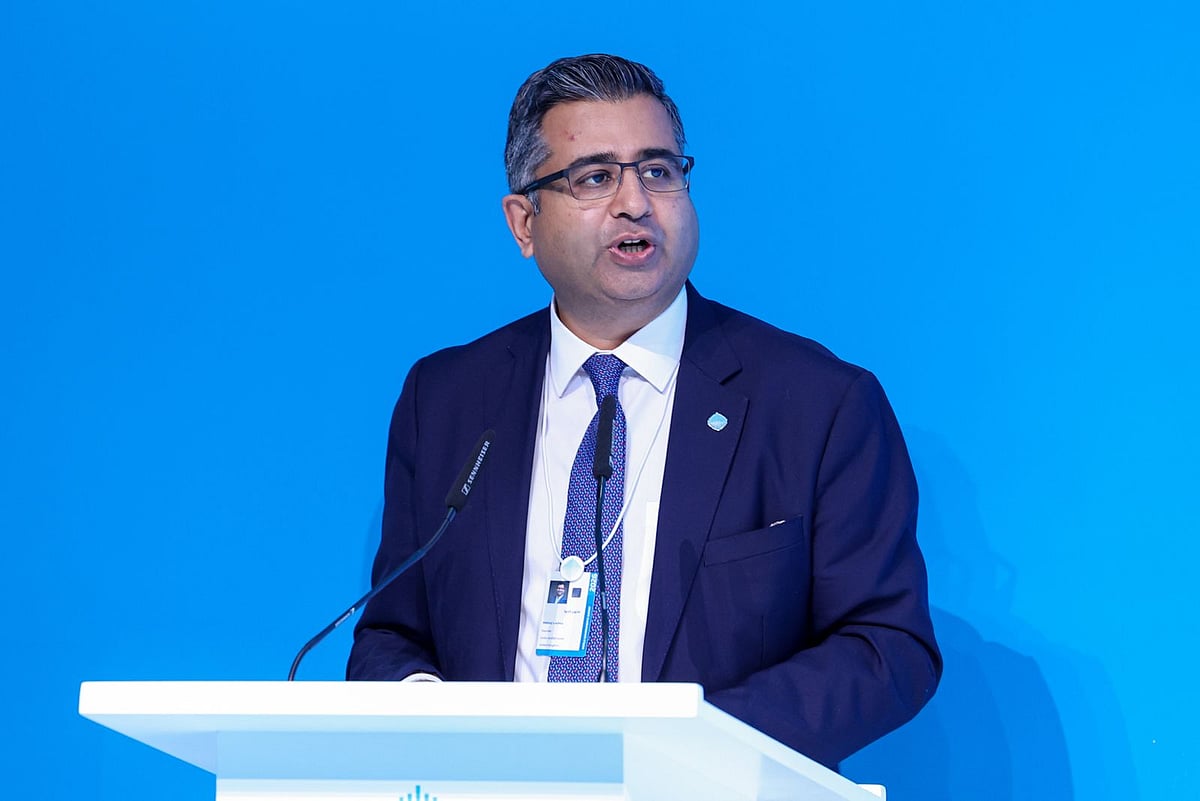
Manoj Ladwa, Founder, India Global Forum speaking at the Emerging Economies Forum on the final day of World Governments Summit.
Virendra Saklani/Gulf News
Dubai: Globalisation is shifting shape, with new trade and investment corridors strengthening links between Asia, Africa, the Middle East and Latin America, even as traditional routes face strain. The transaction is being described as a structural change in how growth, capital and influence now move across borders.
Opening the Emerging Economies Forum, Manoj Ladwa, Founder and Chairman of India Global Forum, said economies long described as emerging are now central to global growth dynamics.
“They are no longer peripheral to the global system. They are absolutely central to the system,” Ladwa said, noting that emerging economies account for close to half of global GDP growth and host the world’s youngest and fastest-urbanising populations.
Shifts in geopolitics, supply chains and capital allocation have accelerated the move away from dependence on a narrow set of markets. Growth strategies anchored to a single currency, corridor or region are becoming harder to sustain in a more fragmented global environment, he added.
UAE–India partnership in focus
Against that backdrop, he cited the UAE–India relationship as an example of how regional collaboration is evolving through trade, capital and people-to-people ties. Ladwa said the partnership reflects how economic integration is increasingly driven by networks that cut across regions.
“This relationship has evolved into one of the most dynamic partnerships in the world,” he said, pointing to the role of people in sustaining momentum. India’s global diaspora of more than 30 million, including a large community in the UAE, acts as what Prime Minister Narendra Modi has described as “a living bridge connecting economies, cultures and ideas”.
Diaspora networks, Ladwa said, are playing a growing role in linking capital with opportunity and supporting businesses expanding across borders.
Digital infrastructure as a growth enabler
Digital public infrastructure featured prominently in the discussion on how emerging economies are reshaping global integration. India was highlighted for building nationwide platforms spanning identity, payments and service delivery that have brought large sections of the population into the formal economy.
“That’s not just innovation,” Ladwa said. “It’s indigenous, relevant innovation at its most potent. Solutions designed with skill, scale and speed and, most importantly, affordability, but with global relevance.”
Similar approaches are emerging across Africa, Asia, Latin America and the Middle East, where technology is being used to support inclusion, reduce costs and improve delivery at scale.
Huda Al Hashimi, Deputy Minister of Cabinet Affairs for Strategic Affairs, echoed this sentiment, saying the global development narrative has shifted, with economies increasingly shaping systems aligned with their own strengths and constraints.
“Today, emerging economies are no longer asking, how do we catch up? They’re asking, how do we design forward,” she said, adding that growth models detached from domestic institutions leave countries exposed to external decisions.
Clarity, she said, has become a critical economic asset. Governments that align policy, regulation and investment behind measurable goals send stronger signals to markets. In the UAE, that clarity is anchored in the We the UAE 2031 vision, which includes targets to double GDP, expand non-oil exports and grow foreign trade.
Speed and capital
Al Hashimi also pointed to bureaucracy as a constraint on competitiveness, saying complexity slows investment and discourages entrepreneurship. The UAE’s zero government bureaucracy programme, which eliminated thousands of procedures and sharply reduced service delivery times, was cited as an example of how simplicity can improve economic outcomes.
Capital markets, she added, remain essential to sustaining momentum. Transparent regulation and resilient financial systems help economies attract investment while supporting inclusion and stability.
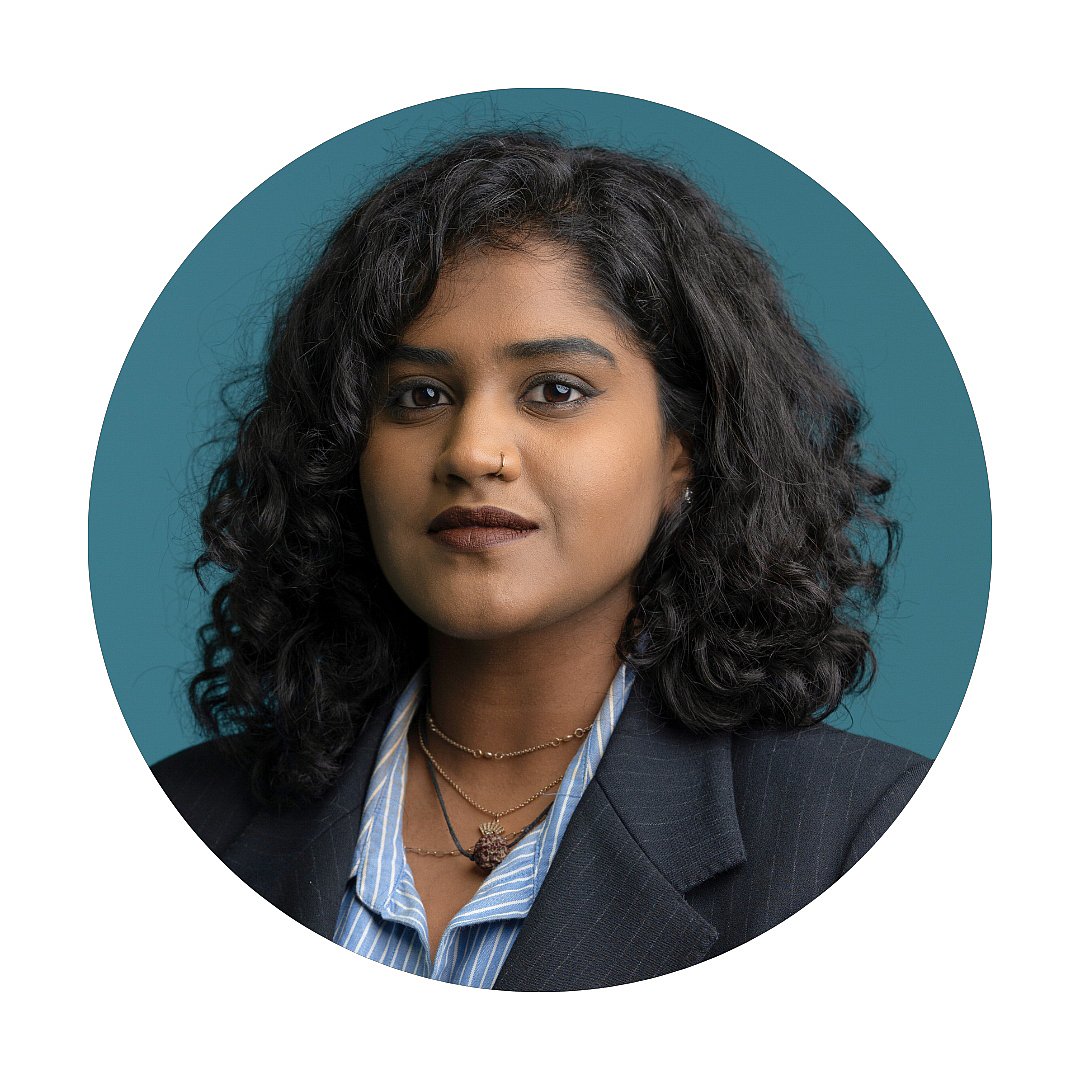
Nivetha Dayanand is Assistant Business Editor at Gulf News, covering aviation, financial markets and commodities. A business and financial journalist with a strong interest in multimedia storytelling, she regularly takes complex financial and economic subjects beyond the written word, producing explainer videos that make them easier for a wider audience to understand. Nivetha has interviewed senior policymakers, business leaders and global financial figures both on and off camera. Her past guests include UAE Minister of Economy and Tourism Abdulla bin Touq Al Marri, Khaled bin Alwaleed Al Saud, a member of the House of Saud and the founder and CEO of KBW Ventures, Jihad Azour, Director of the Middle East and Central Asia Department at the International Monetary Fund and Indian ministers Hardeep Singh Puri and N. Chandrababu Naidu. She has also hosted and moderated panels, conferences and awards shows, bringing her newsroom experience to live conversations on business, finance and the economy. An Erasmus Mundus journalism alum, Nivetha is drawn to stories that affect people directly and to reporting that gives a platform to voices that might otherwise go unheard. She was among the first journalists to speak to Petrofac employees in the UAE about unpaid salaries, broke the news of the planned demolition of Dubai’s well-known “Toyota Building”, and helped set the record straight on widely circulated claims that a giant replica of the Moon was coming to Dubai. More recently, her exclusive interview with EDGE Group CEO Hamad Al Marar revealed how the UAE-based defence group deployed its systems along the country’s shore border and established a geofence around the UAE within 48 hours of the February 28 escalation. Prior to joining Gulf News, Nivetha worked at ITP Media, where she helped launch Finance Middle East, a new publication covering the region’s financial sector. Her role spanned reporting and editing, video production, interviews and events. Across print, digital, and video, she focuses on finding the people behind business stories and explaining why those stories matter to the audience reading or watching them.
Sign up for the Daily Briefing
Get the latest news and updates straight to your inbox
Network Links
GN StoreAbout Gulf NewsTerms & ConditionsReach by GNSitemapContact usPrivacy PolicyGN FocusHave your sayWork with usAdvertise with usGulf News epaperPrinting Services
Download our app
© Al Nisr Publishing LLC 2026. All rights reserved.