US reimposes oil sanctions on Iran — and why it matters for global markets
Renewed US pressure on Tehran fuels fresh uncertainty over global energy supply
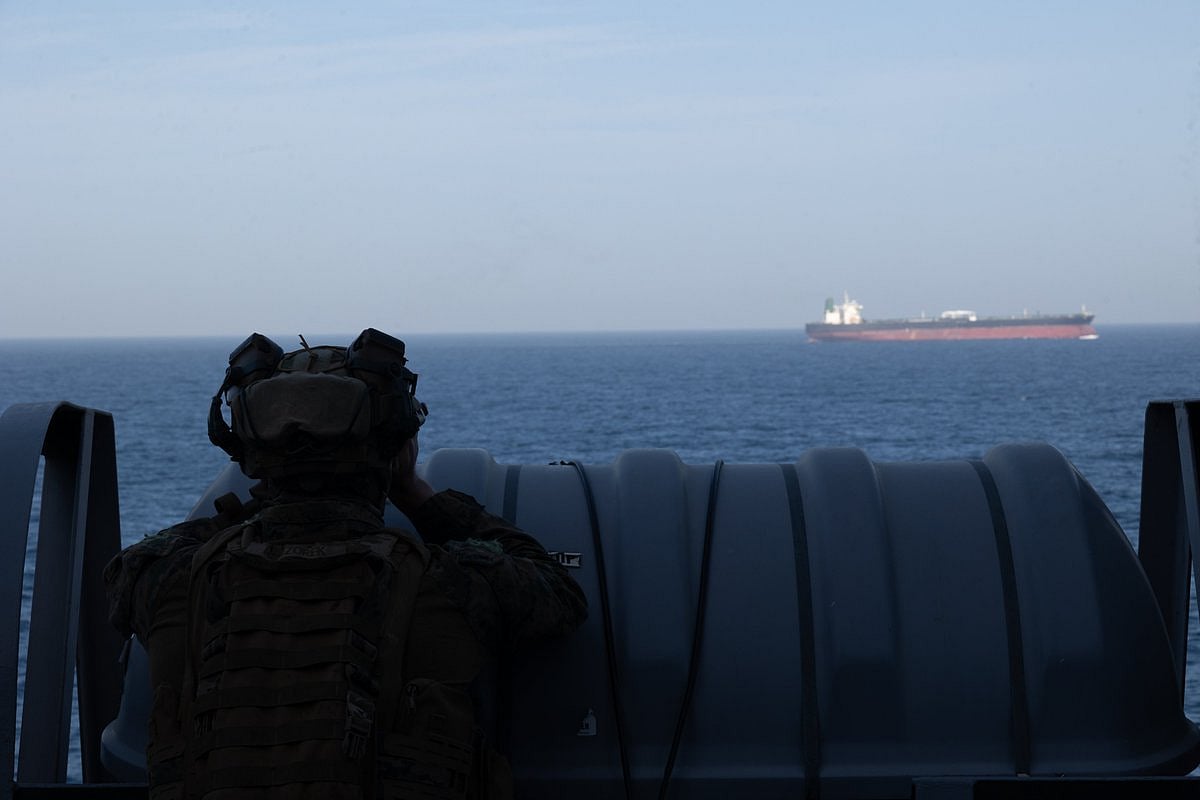
The United States has paired new military strikes against Iran with the reimposition of strict oil sanctions, signaling that Washington is escalating pressure on Tehran on both the military and economic fronts as a fragile ceasefire comes under its most serious test yet.
The move marks a sharp shift from the limited sanctions relief that followed last month's US-Iran ceasefire agreement and raises fresh questions about the future of diplomacy, global oil supplies and stability in the Middle East.
Here's what we know so far:
What happened?
The Trump administration announced it was reimposing oil sanctions on Iran while US forces launched what officials described as "powerful" strikes against Iranian military targets after Washington accused Tehran of attacking commercial shipping in and around the Strait of Hormuz.
Get updated faster and for FREE: Download the Gulf News app now - simply click here
US officials said the sanctions are intended to deprive Iran of revenue used to finance its military and regional allies, while the strikes were aimed at degrading Iran's ability to threaten international shipping.
Iran has denied responsibility for the attacks and condemned the US actions as violations of its sovereignty.
Iran's foreign ministry late on Tuesday accused the United States of repeatedly violated their agreed memorandum of understanding (MoU), and warned retaliation following Washington's strikes on targets in the Strait of Hormuz.
Why are oil sanctions so important?
Oil exports are one of Iran's largest sources of foreign currency.
Iran managed to ship out 60 million barrels of crude oil since the US Navy blockade paused in mid-June 2026, as per ship Tanker Trackers data.
If the blockade were to resume now due to escalating tensions, Iran would be stuck with ~50 million barrels of crude oil and refined products.
By restricting Iranian crude sales, Washington seeks to:
reduce Tehran's government revenue;
limit funding for the Islamic Revolutionary Guard Corps (IRGC) and allied armed groups;
pressure Iran back into negotiations; and
increase the economic cost of military escalation.
When sanctions are fully enforced, they make it more difficult for Iran to sell oil, receive payments and insure or transport cargoes through the international financial system.
Why now?
The decision follows accusations that Iran violated the ceasefire framework reached last month by supporting attacks on commercial vessels transiting the Strait of Hormuz.
The Trump administration argues that Iran cannot simultaneously benefit from sanctions relief while threatening one of the world's busiest maritime trade routes.
The sanctions therefore complement the military response by adding economic pressure.
Does this mean the ceasefire has collapsed?
Not necessarily — but it is under severe strain.
Diplomatic contacts have not been formally suspended, and neither Washington nor Tehran has declared the ceasefire void.
However, analysts say simultaneous military strikes and renewed economic sanctions significantly reduce the chances of rebuilding trust in the near term.
Much will depend on whether either side launches further retaliatory attacks.
What does this mean for oil prices?
Markets generally interpret sanctions on Iran as bullish for crude prices because they could reduce global supply.
At the same time, military operations near the Strait of Hormuz increase fears that shipping could be disrupted.
Together, these developments have added a new geopolitical risk premium to oil markets.
Even if Iranian exports continue through alternative channels, traders often react quickly to any signs that Middle East tensions could threaten supply.
Can Iran still sell oil?
Yes — but with greater difficulty.
In recent years, Iran has continued exporting significant volumes of crude despite US sanctions, often through:
sales to China;
ship-to-ship transfers;
"dark fleet" tankers operating with disabled tracking systems;
intermediaries and trading networks designed to obscure the cargo's origin.
Reimposed sanctions are intended to tighten enforcement against those networks and make such exports more costly and risky.
What could happen next?
Several scenarios are possible:
Limited escalation
Both sides avoid broader conflict while maintaining economic pressure and military deterrence.
Further retaliation
Iran could respond through missile strikes, drone attacks or actions affecting regional shipping.
Diplomatic re-engagement
Back-channel negotiations could resume if both governments conclude that prolonged confrontation is too costly.
Broader regional conflict
Additional attacks involving US forces, Israel or Iran-backed armed groups could draw more countries into the crisis.
Why does the Strait of Hormuz matter?
The Strait of Hormuz is one of the world's most strategically important waterways.
Roughly one-fifth of global oil consumption and a substantial share of liquefied natural gas exports pass through the narrow channel connecting the Arabian Gulf to the Gulf of Oman.
Any disruption — even temporary — can have worldwide consequences by raising energy prices, increasing shipping costs and fueling inflation.
Why is this significant?
The combination of military action and renewed oil sanctions represents a return to Washington's strategy of applying simultaneous military and economic pressure on Iran.
Rather than relying solely on force or diplomacy, the United States is seeking to weaken Iran's military capabilities while restricting the financial resources that support its regional activities.
Whether that strategy succeeds — or instead triggers another cycle of retaliation — will shape not only US-Iran relations but also the outlook for global energy markets, regional security and the durability of the ceasefire in the weeks ahead.
Network Links
GN StoreDownload our app
© Al Nisr Publishing LLC 2026. All rights reserved.