UAE’s renewable energy capacity grows more than 6,000% in 10 years
Renewable energy capacity rose from 129MW in 2015 to more than 8.2GW by the end of 2025
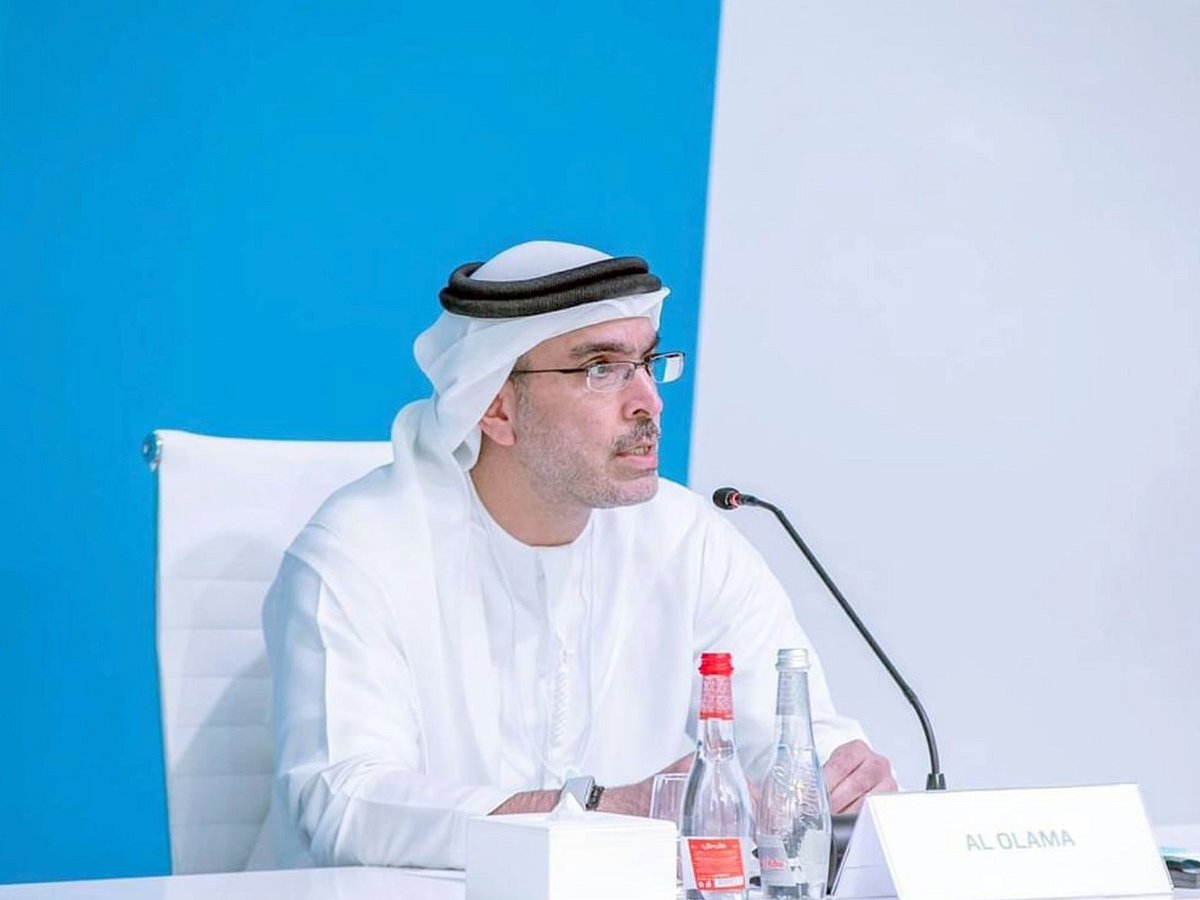
Abu Dhabi: The UAE's renewable energy capacity has grown more than 63-fold over the past decade, rising from 129 megawatts in 2015 to more than 8.2 gigawatts in 2025, according to Sharif Al Olama, Undersecretary for Energy and Petroleum Affairs at the Ministry of Energy and Infrastructure
In statements to the Emirates News Agency (WAM), Al Olama said the UAE had made significant progress across the energy sector, including expanding clean energy, developing the national electricity system, strengthening grid interconnection and deploying modern technologies and data to manage the grid and enhance its readiness.
Get updated faster and for FREE: Download the Gulf News app now - simply click here.
He said the progress reflected a clear national vision aimed at building a secure and sustainable energy system capable of meeting future demand, through cooperation between federal and local entities, national companies and the private sector.
Al Olama added that clean energy accounted for 32.4 percent of electricity generation in 2025, with the UAE targeting a 35 percent share by 2031.
Electricity generated from clean energy sources exceeded 62.4 gigawatt-hours in 2025, while installed clean energy capacity reached 13,805 megawatts, spanning nuclear power, photovoltaic and concentrated solar power, wind energy and waste-to-energy.
Total electricity generation in the UAE reached 192,735 gigawatt-hours in 2025, compared with consumption of 174,524 gigawatt-hours.
Al Olama said the figures reflected continued progress in diversifying the energy mix and improving the readiness of the national electricity grid. The ministry is working with its partners to develop the electricity market, strengthen grid interconnection projects, expand clean energy and deploy modern technologies for grid monitoring and resource management.
He pointed to the launch of Emirates Monitoring Centre, the first national facility of its kind to provide real-time monitoring of the UAE's integrated power network by linking all four electricity utilities. A study to develop a renewable energy management programme was also prepared and implemented in cooperation with Siemens as part of the centre's second phase, supporting grid monitoring and coordination among entities involved in the national electricity system.
Al Olama said energy-related transformational projects included initiatives to recycle electric and hybrid vehicle batteries and promote green industrial transformation, as well as two studies and two pilot projects aimed at developing clean-energy solutions, improving resource efficiency and supporting the expansion of electric transport.
He said national energy projects and policies had won local and international awards in clean energy, sustainability and electricity markets.
Al Olama said the ministry would continue working with its partners to develop the national energy system and improve its efficiency and readiness, supporting energy security and enabling the sector to keep pace with economic and population growth while advancing national clean-energy, sustainability and climate-neutrality targets.
Network Links
GN StoreDownload our app
© Al Nisr Publishing LLC 2026. All rights reserved.