Oil prices nosedive amid US intervention signals in Strait of Hormuz
WTI drops to $86.55, down 8.67%; Brent at $89.80, down 9.26% drop; Murban down 7.28%
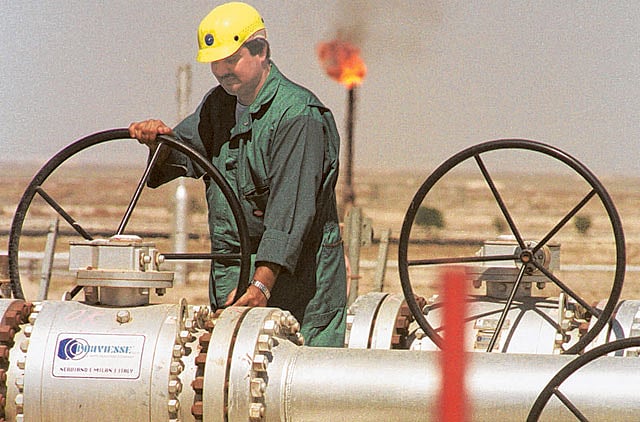
Oil prices plummeted sharply early on March 11, 2026, reflecting developments in the Middle East.
Prices crashed amid reports that the US is considering to seize control of the geopolitically sensitive Hormuz Strait, and restore the passage of oil tankers.
As of 8.35am Tokyo on Wednesday (11.35PM GMT, Tuesday) West Texas Intermediate (WTI) crude fell to $86.55 per barrel, down $8.22 or 8.67%. Brent crude dropped to $89.80, a decline of $9.16 or 9.26%, while Murban crude settled at $102.20, down $8.02 or 7.28%.
Natural gas also dipped slightly to $3.060, off by $0.060 or 1.92%, as per OilPrice.com live data.
The dramatic slide follows weeks of volatility driven by escalating tensions around the Strait of Hormuz, a critical chokepoint for global oil transit.
Iranian attacks on infrastructure and tankers had disrupted supplies, pushing Brent above $114 per barrel earlier in March and stoking fears of a broader energy crisis.
War premium
This "war premium" inflated prices amid reduced shipping, with global inventories strained and output slashed.
However, prices crashed after reports emerged of US President Donald Trump considering military action to seize control of the Strait, aiming to restore open access and avert a blockade.
Traders swiftly unwound long positions, anticipating a supply surge. Analysts warn of ongoing volatility, with underlying factors like OPEC+ production hikes and softening Chinese demand potentially extending the bearish trend into 2026.
This drop offers short-term relief for consumers but underscores the fragility of global energy markets amid geopolitical risks.
Sign up for the Daily Briefing
Get the latest news and updates straight to your inbox
Network Links
GN StoreDownload our app
© Al Nisr Publishing LLC 2026. All rights reserved.