Oil prices skyrocket amid US-Iran War
Global energy crisis looms as crude surges sprikes by over 8%
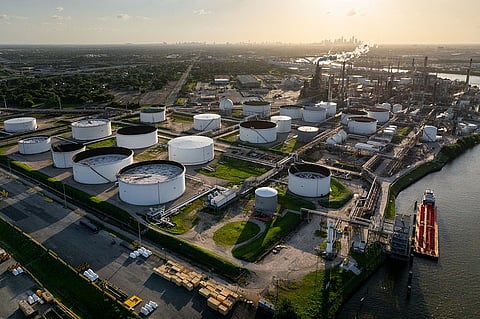
Oil prices have surged dramatically in response to the escalating US-Iran conflict.
As of s of March 2, 2026, at approximately 8:00 AM PST, data from OilPrice.com shows significant gains across major benchmarks.
| Commodity | Price (USD) | Change (USD) | Change (%) |
|---|---|---|---|
| WTI Crude | 72.39 | 5.37 | 8.01% |
| Brent Crude | 79.04 | 6.17 | 8.47% |
| Murban Crude | 81.53 | 7.29 | 9.82% |
| Natural Gas | 2.878 | 0.019 | 0.66% |
This spike follows US and Israeli strikes on Iran, including the killing of Supreme Leader Ayatollah Ali Khamenei, which has disrupted global oil supplies and heightened fears of further escalation in the Middle East.
Brent initially surged over 12% to $82 before settling near $80 in early trading, driven by the weekend's military actions.
Reuters reports Brent jumping initially to 10% to about $80, before paring gains.
Analysts warning prices could reach $100 if the conflict persists, amid OPEC+ output increases and threats to the Strait of Hormuz.
The New York Times notes oil prices rose 10% as markets opened, crossing $80 a barrel, emphasising economic risks from restricted supplies in a key producing region, potentially leading to sustained higher costs for consumers worldwide.
According to CNN, US crude rose about $5 a barrel to around $72.
Experts predict volatility, with potential gas price hikes above $3 per gallon in the US, complicating economic recovery efforts.
While natural gas saw minimal gains, broader energy markets remain on edge as Iran's retaliatory strikes continue.


