Dubai air cargo surges 53% as e-commerce shipments soar
Dubai Customs processes 18.2m transactions as e-commerce and cargo volumes surge
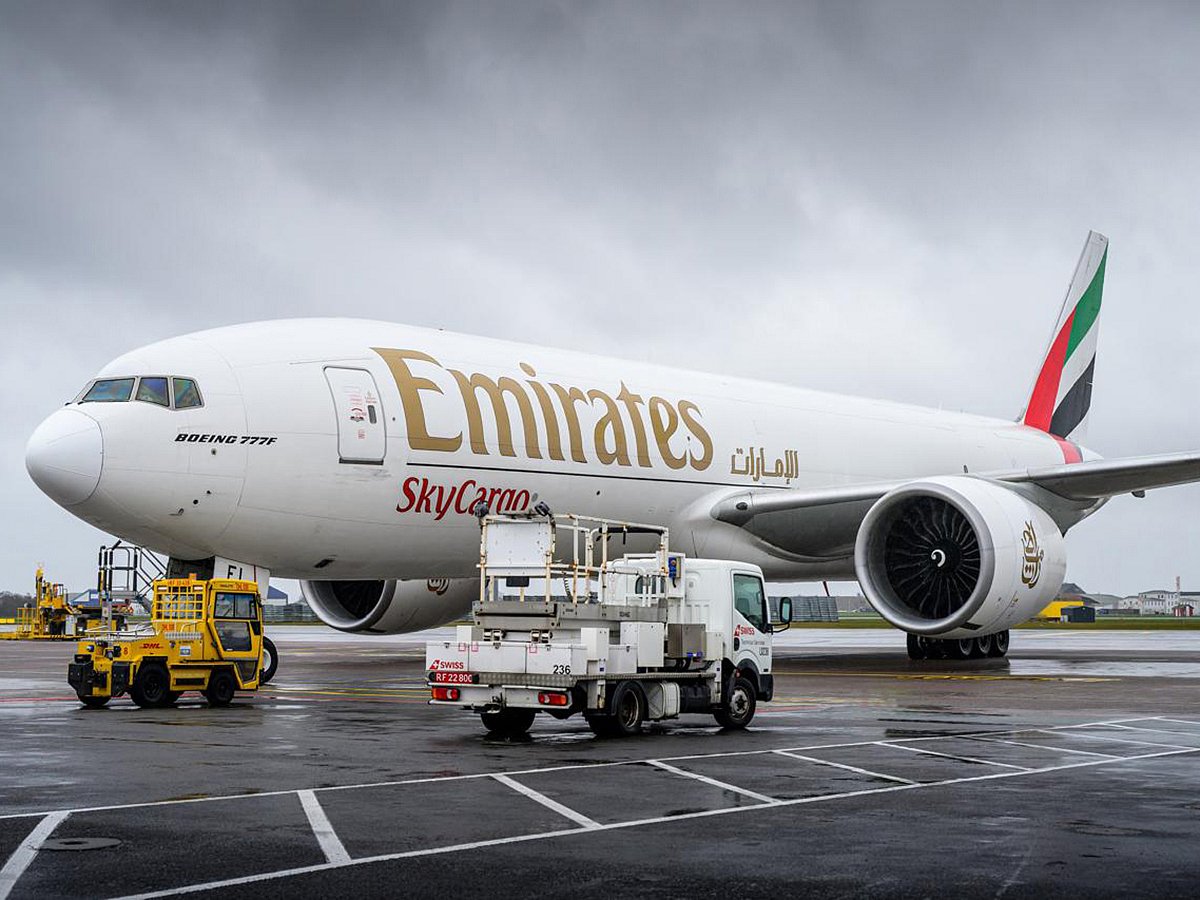
Dubai: Air cargo activity is surging across the emirate, with Dubai Customs processing 18.2 million customs transactions through its Air Cargo Centers in the first half of 2026 — a 53 per cent increase from the same period last year.
The jump comes as e-commerce drives a growing number of smaller, faster-moving shipments through Dubai, while the emirate continues to expand its capacity to handle rising trade volumes.
According to a Dubai Customs statement, the Air Cargo Centers handled approximately 1.3 million tonnes of shipments during the first six months of 2026, up from around 886,000 tonnes in H1 2025 — an increase of nearly 47 per cent.
E-commerce surge
The biggest acceleration was recorded in the Free Zone Department within the Air Cargo sector.
It completed approximately 17.7 million customs transactions in H1 2026, compared with around 10.9 million a year earlier — a 62 per cent increase.
More than 6.2 million postal parcels were also handled during the period, highlighting the growing role of Dubai's air cargo infrastructure in supporting cross-border e-commerce.
The significance goes beyond simply handling more packages.
“E-commerce relies on large volumes of small shipments and rapid movement from order to delivery, making the efficiency of customs procedures a core part of the digital trade cycle and the experience of both businesses and consumers,” Dubai Customs said.
The authority's Cross-Border E-Commerce Platform is designed to support digital trade companies and logistics providers through an integrated customs framework.
Dh1,000 threshold
Dubai Customs has also introduced a change aimed at easing the flow of eligible cross-border e-commerce shipments. From August 3, 2026, the customs duty exemption threshold for eligible goods and products within cross-border e-commerce shipments increased to Dh1,000.
According to Dubai Customs, the change gives companies greater scope to benefit from digital trade growth by helping reduce costs and improve operational efficiency.
The authority has also exempted certain returned goods imported by companies for personal purposes from customs duties, provided the duties were previously paid and the goods are returned within 60 days of departure.
The exemption does not cover tobacco and related products, e-cigarette devices and accessories, nicotine liquids, alcoholic beverages or food preparations containing alcohol.
Faster clearance
Mohammed Al Ghaffari, Executive Director of the Customs Inspection Division at Dubai Customs, said the authority's role was increasingly moving beyond simply processing customs transactions.
“These results reflect Dubai Customs’ shift from facilitating trade to empowering it,” he said.
“The role of customs work is no longer limited to processing transactions — it now extends to supporting trade and economic growth, improving the business environment, reducing time and cost, and strengthening Dubai’s ability to attract trade flows and investments linked to the shipping, distribution, logistics, and digital economy sectors.”
He said customs inspection was also about balancing border protection with the need to keep goods moving efficiently into local markets.
Cargo capacity
The increase in activity was particularly visible during periods of heightened operational pressure amid the US-Iran war.
The volume of imported goods cleared through Cargo Village at Dubai International Airport and the Air Cargo Center at Al Maktoum International Airport reached 48.26 million kilograms in May 2026, compared with around 26.56 million kilograms in January.
That represents growth of nearly 82 per cent over the period.
Maximum daily volumes also increased to 2.11 million kilograms in May, from 1.24 million kilograms in January.
Abdulla Ahmad Alblooshi, Director of Air Cargo Centers Management at Dubai Customs, said the focus was increasingly on reducing the time between a shipment arriving and reaching the market.
“We are working to shorten the time between a shipment’s arrival and its entry into the market, because the speed of customs procedures has become a core part of trade competitiveness,” he said.
He added that Dubai Customs was continuing to equip its centres with “smart technologies, devices, and artificial intelligence applications” to improve examination and inspection efficiency and speed up processing.
Alblooshi said the first-half results demonstrated the ability of Dubai's air cargo centres to handle the rapid growth in shipping and e-commerce.
“For us, success isn’t measured only by the number of transactions or the volume of goods we handle — it extends to the greater speed we provide traders and companies in reaching markets, the higher efficiency we enable in managing their operations, and the broader capacity for growth we offer them from Dubai,” he said.
Network Links
GN StoreDownload our app
© Al Nisr Publishing LLC 2026. All rights reserved.