Clark Airport’s makeover: Second runway set to ramp up capacity in Central Luzon aviation hub
Clark’s new runway to boost logistics hub ambitions and global connectivity
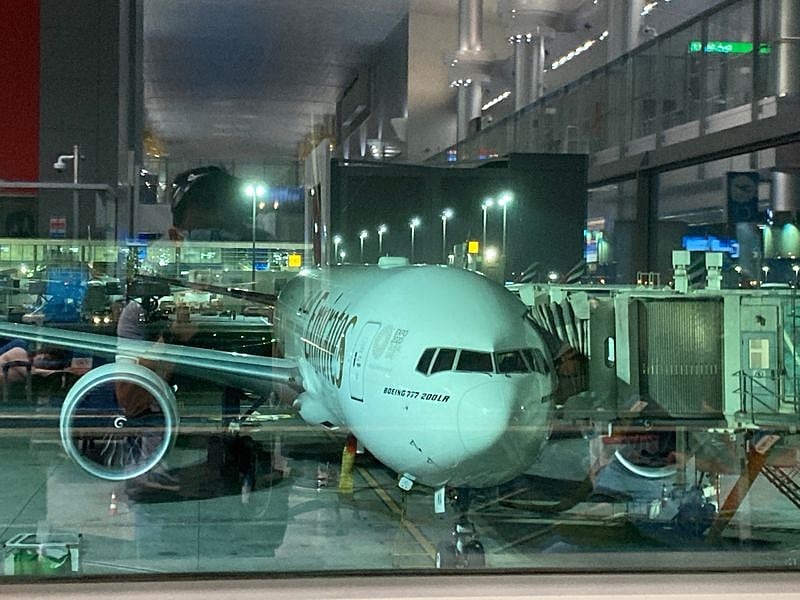
Manila: Clark International Airport (IATA code: CRK), about 80 km north of the capital Manila, is gearing up for a second runway — a move poised to supercharge its rise as Central Luzon’s aviation nerve centre and a fast-emerging engine of regional economic growth.
On Monday (April 27, 2026), the state-run Bases Conversion and Development Authority (BCDA) awarded the detailed engineering design contract for a second runway at CRK, advancing plans to transform the facility into a major logistics and aviation hub.
The ₱206.9-million contract was granted to a joint venture between local firm Schema Konsult Inc. and South Korea’s Yooshin Engineering Corp., the BCDA said.
CRK is a premier gateway in the Philippines, located within the 44-km² Clark Freeport Zone in Pampanga. It features a modern 110,000 m² terminal opened in 2022 with a capacity for 8 million passengers annually. It also serves as a major hub for low-cost carriers, as well as a number of Middle East carriers, like Emirates and Qatar Airways.
LUZON: The biggest island in the Philippines (where Manila is) has 65 million inhabitants (2025 data) spread over a land area of 109,965 km², nearly three times the size of Switzerland. Clark (CRK) is the aviation gateway of the Luzon Economic Corridor (LEC).
The event marks the start of the design phase of the long-anticipated project.
Construction is expected after the design is completed in mid-2027, with full operation of the second runway targeted for the fourth quarter of 2029.
Infrastructure strategy
The project is a cornerstone of the infrastructure strategy of the Department of Transportation (DoTr) under the Marcos administration, which aims to modernise national transport networks and further develop the Luzon Economic Corridor (LEC).
A second landing strip is designed to provide redundancy for the existing runway, allowing airport operations to continue during maintenance or unexpected disruptions — a key eligibility requirement for major international aviation hubs.
BCDA President and CEO Joshua M. Bingcang said the expansion will enhance the airport’s operational resilience and connectivity, boosting economic activity in the region and creating jobs as airport services and related industries grow.
The expansion comes as Clark’s passenger and cargo traffic continue to rise, reinforcing its role as a strategic alternative to the congested Ninoy Aquino International Airport (NAIA).
LEC: It is a strategically significant hub for commerce, industry, and logistics, aimed to drive economic growth and regional development. The LEC encompasses key urban and industrial zones, including Metro Manila (36% of the country's GDP), Batangas, Bataan, Zambales and Central Luzon.
CRK handled about 2.75 million passengers in 2025, reflecting a steady growth trend that follows a 14% increase in traffic the year before, according to airport data.
Private logistics firms also are expanding operations at Clark, where global carriers like United Parcel Service and FedEx have been growing their presence to support cargo throughput and supply-chain demand.
Investments by international aviation and logistics players — including plans for a $480 million maintenance and cargo hub — underscore industry confidence in Clark’s future as a regional logistics center.
To match this demand, the BCDA and the DoTr are also coordinating broader airside upgrades, including additional taxiways, aprons and utility improvements.
These are intended to increase the number of hourly flight movements and improve aircraft turnaround times.
The second runway project is seen as a strategic effort to reduce reliance on Manila’s primary airport and strengthen the Philippines’ competitiveness in regional and global aviation markets.
CRK has steadily evolved from its origins as a former US air base into a modern airport complex positioned to support passenger travel and cargo logistics, with ongoing efforts to expand routes and attract airline partners.
Network Links
GN StoreDownload our app
© Al Nisr Publishing LLC 2026. All rights reserved.