Ramadan UAE: Quit smoking and also reduce coronavirus risk
Doctors urge residents to kick the habit during the fasting month
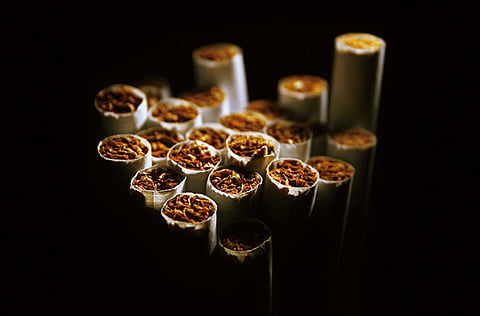


Abu Dhabi: At a time when the world is battling the coronavirus pandemic, doctors are urging residents in the UAE to use the fasting month to give up smoking
Known for its adverse health effects, smoking also increases the risk of contracting the coronavirus, in addition to increasing the severity of complications from COVID-19.
“Those who are fasting must naturally abstain from smoking for more than 12 hours every day. This reduces the level of nicotine in the blood. And since smoking as a habit is simply an addiction to nicotine, this drop in nicotine levels can get you halfway toward quitting the habit,” Dr Ayesha Khalid, family medicine consultant at the Burjeel Hospital Abu Dhabi, told Gulf News.
The fact that Ramadan is steeped in spirituality should also help worshippers give up smoking, added Dr Sunil Vyas, pulmonology specialist at Aster Hospital Qusais.

Coronavirus link
Ever since the coronavirus outbreak began, the risks to smokers have been in focus, especially because COVID-19 and inhaled smoke both target the lungs.

The World Health Organisation, as well as the European Centres for Disease Control, have also highlighted other risks to smokers, saying that the frequent contact between hands and lips during smoking increases the possibility of the virus being transmitted.
Conflicting studies
This advice from UAE doctors is in direct contradiction to another study in France that says Nicotine could actually protect people from contracting the coronavirus. A top Paris hospital examined 343 coronavirus patients along with 139 infected with the illness with milder symptoms and found that a low number of them smoked compared to smoking rates of around 35 per cent in France. The research echoed similar findings in the New England Journal of Medicine last month that suggested 12.6 per cent of 1,000 people infected in China were smokers, much lower than the 26 per cent national rate of smokers in China, according to the World Health Organisation. The theory is that nicotine could adhere to cell receptors blocking the virus from entering cells and spreading in the body. French researchers now plan to trial nicotine patches on coronavirus patients to further this study.
Severe complications
Once the virus is contracted, smokers also face a greater risk of more serious illnesses.
“Early research indicates that having a history of smoking may substantially increase the chance of adverse health outcomes for COVID-19 patients, including being admitted to intensive care, requiring mechanical ventilation and suffering severe health consequences. It is also associated with increased development of acute respiratory distress syndrome, a key complication for severe cases of COVID-19,” Dr Ajeaidi explained.
He added that smokers with COVID-19 who also have other underlying chronic conditions, like chronic obstructive pulmonary disease and cardiovascular disease are also more prone to serious complications and death.
“The lungs of a non-smoker are just healthier, and better able to cope with the stresses to the lungs from COVID-19,” Dr Khalid said.
And the risks of smoking extend to all kinds of tobacco use, including waterpipes (shisha) and pipe smoking, such as midwakh. In fact, because mouth pieces and hoses are shared during a shisha smoking session, with many people seated in close proximity, the risk of transmitting the virus is heightened further. The UAE therefore announced the closure of all shisha parlours in early March.
Quit now
Keeping these risks in mind, doctors are encouraging smokers to quit now, which will help them capitalise on the nicotine withdrawals and increased spiritual drives. In fact, physicians have long touted Ramadan as a golden opportunity to quit for those who fast.
Dr Khalid said she has already come across a number of people who are trying to kick the habit at the moment.
“One of my patients is using medication to reduce her dependence on nicotine, and another has gone cold turkey. The process is difficult, just like any other addiction, and non-smokers may not always be able to appreciate it. But there [are many resources available],” Dr Khalid advised.
Dr Ajeaidi mentioned the struggle of quitting.
“[It is a] struggle, but with courage, determination, medical advice and professional help, you can achieve this goal of quitting. So find you reason to get motivated, [such as a desire] to protect yourself and your loved ones,” he said.
Tips to quit smoking
Source: Dr Ayesha Khalid and Dr Mohammad Ajeaidi


