US-Iran conflict: What UAE residents need to know this evening (Sep 12)
The biggest impact is likely to be on flights, journey times and moving goods
The Middle East conflict has taken another worrying turn over the past 24 hours, with fresh attacks on Saudi energy infrastructure and Houthi advances in Yemen raising new concerns about shipping, oil supplies and regional travel.
For people living in the UAE, the biggest immediate impact is still likely to be on flights, journey times and the wider cost of moving goods around the region.
Get updated faster and for FREE: Download the Gulf News app now - simply click here.
One of the most significant developments came in Saudi Arabia, where authorities temporarily shut the country’s East-West oil pipeline after a drone attack. The pipeline is particularly important because it allows Saudi oil to reach the Red Sea without travelling through the Strait of Hormuz, which has already been heavily affected by the wider conflict.
Reuters reported that the pipeline had recently been carrying around 4 million to 5 million barrels of oil a day — a significant share of global supply. Both Saudi Arabia and Iraq said the drone involved in the attack came from Iraqi territory, and Iraq has launched an investigation. No group has publicly claimed responsibility.
At the same time, Houthi forces in Yemen have made further advances along the Red Sea coast, including taking control of Perim, or Mayun, Island in the Bab el-Mandeb Strait. That matters because Bab el-Mandeb is one of the world’s most important maritime chokepoints, linking the Red Sea to the Gulf of Aden.
With the Strait of Hormuz also under pressure, the conflict is now creating uncertainty around two crucial shipping routes at once. Oil prices have climbed above $100 a barrel, and any prolonged disruption could eventually feed through into higher shipping, insurance and transport costs.
For UAE residents, however, aviation remains the most noticeable day-to-day issue.
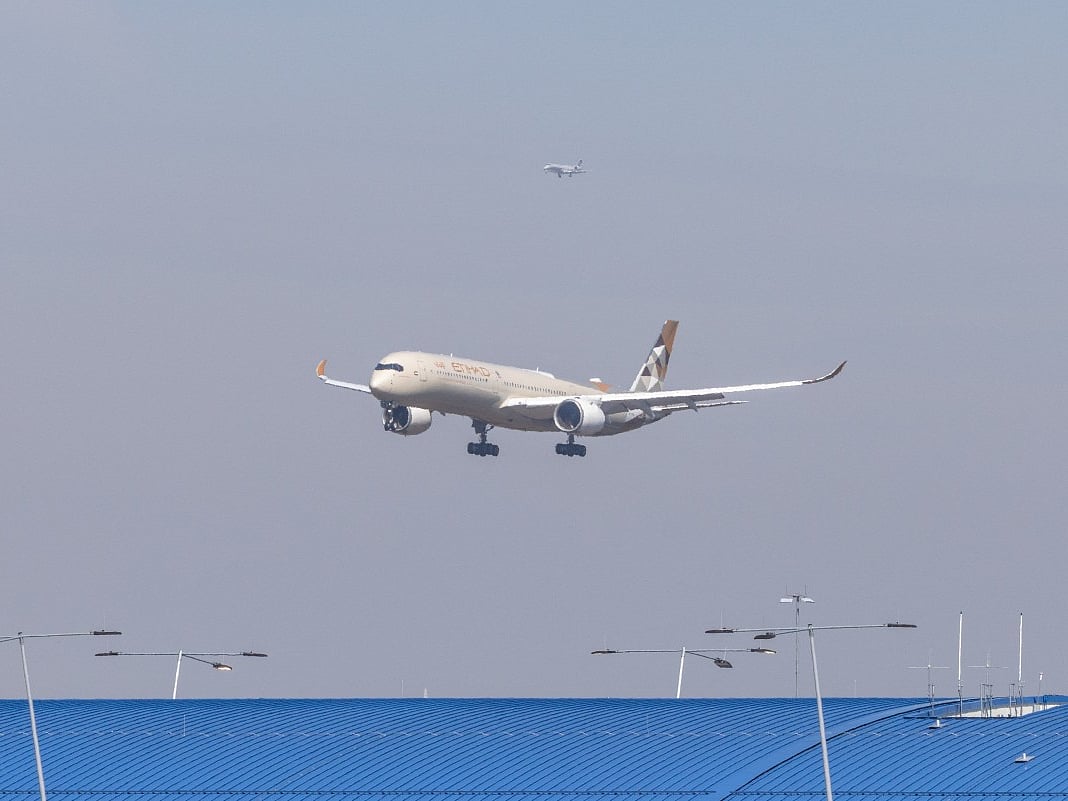
Airports in Dubai and Abu Dhabi are continuing to operate, but airlines have been changing schedules, rerouting aircraft and cancelling some services as conditions shift across the region. Some journeys are taking longer because airlines are avoiding certain airspace.
The safest approach for travellers is simple: check your exact flight status with your airline before leaving for the airport, even if the route normally operates without problems.
There is also an environmental issue developing relatively close to the UAE. The Associated Press reported that a large oil spill in the Gulf of Oman had grown to roughly 400 square kilometres. The spill is believed to have come from a tanker struck during the conflict and is being watched because of its proximity to shipping routes and environmentally sensitive coastal areas.
Diplomatic efforts are continuing as well. BRICS leaders, including representatives from the UAE and Iran, have called for “maximum restraint” and urged countries to resolve disputes through dialogue.
For UAE residents, the situation is not currently about changing everyday routines dramatically. It is, however, worth keeping a closer eye than usual on travel plans, airline alerts and official UAE guidance.
Network Links
GN StoreDownload our app
© Al Nisr Publishing LLC 2026. All rights reserved.