What triggered the deadly US-Iran escalation? What to know
One of the biggest exchanges of strikes since April ceasefire raises fears of wider war
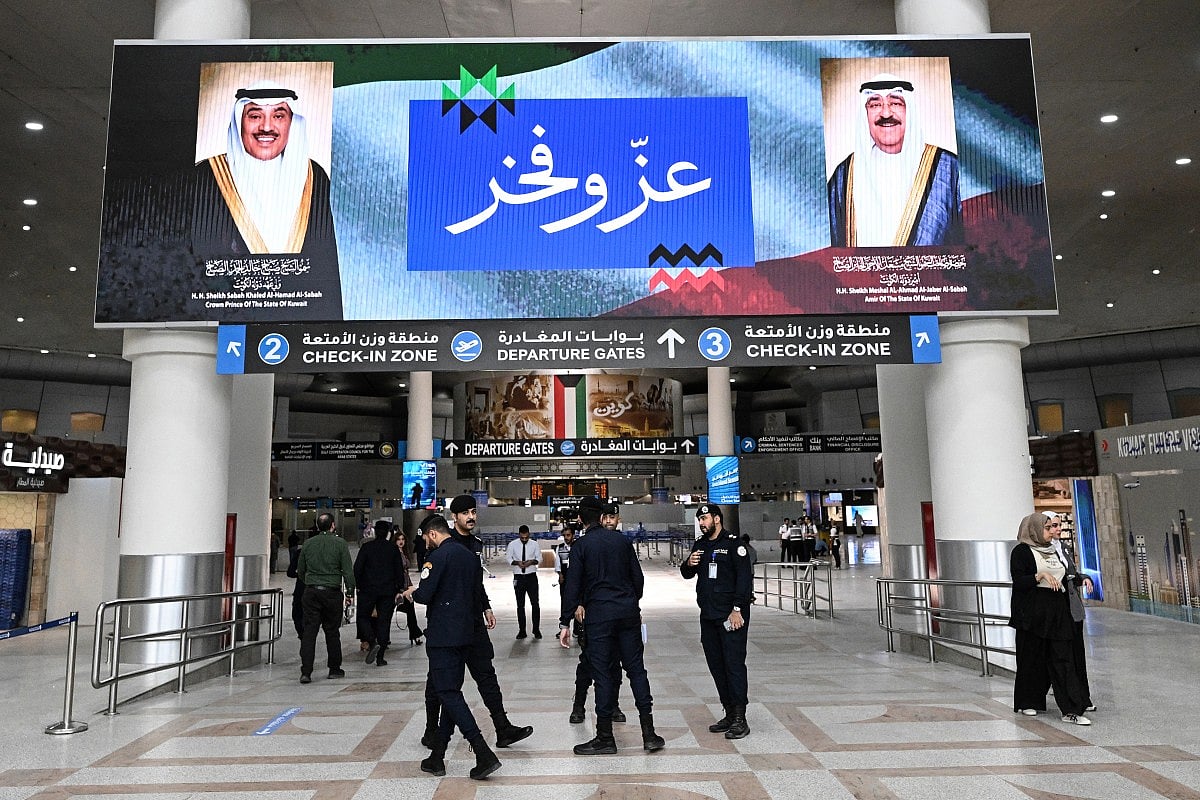
Dubai: A fragile ceasefire between the United States and Iran came under severe strain on Wednesday after a series of military exchanges across the Gulf culminated in an Iranian drone strike on Kuwait’s main airport, killing at least one person and injuring others.
The latest escalation marks one of the most serious flare-ups since the ceasefire began in April and has raised fresh concerns about the future of negotiations aimed at reopening the Strait of Hormuz and preventing a broader regional war.
The violence followed days of growing tensions over maritime security, US military operations near the Strait of Hormuz, and Iran’s insistence that any lasting agreement must also address Israel’s expanding military campaign in Lebanon.
How did the escalation begin?
According to US Central Command (CENTCOM), the chain of events began when American forces targeted a Botswana-flagged oil tanker that was heading toward Iran’s Kharg Island despite a US blockade of Iranian ports.
Iran said it responded by firing missiles at a Liberian-flagged vessel.
The situation escalated further when the US launched what it described as “self-defence” strikes against an Iranian military ground control station on Qeshm Island, a strategically important location near the Strait of Hormuz.
CENTCOM said the operation was carried out after Iran attempted attacks against US interests and regional partners.
Why is Qeshm Island strategically important?
Located at the entrance to the Strait of Hormuz.
Iran's largest island in the Gulf.
Hosts military facilities, radar systems and coastal defences.
Overlooks one of the world's busiest oil shipping routes.
Any strike there is seen as a challenge to Iran's ability to monitor and defend Hormuz.
Why is Qeshm Island important?
Qeshm Island sits near the Strait of Hormuz, the narrow waterway through which a significant share of the world’s oil and liquefied natural gas exports passes.
Iran has long viewed the island as a critical component of its defensive network in the Gulf, and any strike there carries both military and symbolic significance.
Iranian media later reported “explosion-like sounds” on the island, while authorities provided few immediate details.
How did Iran respond?
Iran’s Islamic Revolutionary Guard Corps (IRGC) said it launched ballistic missiles and drones at targets linked to the United States in the Gulf.
The group claimed it targeted the headquarters of the US Navy’s Fifth Fleet in Bahrain as well as American military facilities elsewhere in the region.
The IRGC described the attacks as an “initial response” and warned that stronger retaliation could follow.
Iran also said the strikes were punishment for what it called “brazen and blatant aggression” by US forces.
What is the US fifth fleet?
The US military presence Iran says it targeted
Based in Bahrain.
Oversees naval operations in the Gulf, Arabian Sea and Red Sea.
Responsible for protecting shipping lanes and freedom of navigation.
Plays a central role in US operations around the Strait of Hormuz.
Frequently cited by Iran as a key American military target in the region.
What happened in Kuwait and Bahrain?
The United States and Bahrain said their air defence systems intercepted Iranian missiles and drones before they reached intended targets.
CENTCOM said three missiles aimed at Bahrain were destroyed by US and Bahraini forces, while two missiles launched toward Kuwait either broke apart or fell short.
However, Kuwait later reported that a separate Iranian drone strike hit the passenger terminal building at Kuwait International Airport, causing severe damage, killing at least one person and injuring several others.
Kuwait Airways subsequently suspended operations until further notice.
The attack represents one of the most serious direct impacts on Gulf civilian infrastructure since the conflict began.
Are Iran-US talks collapsing?
The military exchanges come as negotiations between Tehran and Washington face increasing pressure.
Iranian media outlets close to the Revolutionary Guard reported that Tehran had suspended communications with mediators involved in ceasefire and Hormuz talks.
A regional official familiar with the negotiations told The Associated Press that Iran stopped communicating after insisting that any ceasefire arrangement must also include an end to Israeli military operations in Lebanon.
US President Donald Trump publicly rejected reports that talks had been halted.
“The conversations between us have been going on continuously,” Trump said, adding that negotiations had continued in recent days despite reports to the contrary.
Trump has also expressed optimism that an agreement to reopen the Strait of Hormuz and extend the ceasefire remains possible.
What role is Lebanon playing?
One of the biggest obstacles to diplomacy is Iran’s growing insistence that the war in Lebanon cannot be separated from negotiations over Iran.
Tehran argues that any broader regional settlement must address Israel’s military campaign against Hezbollah.
Israel, meanwhile, has pushed deeper into Lebanon than at any time in more than a quarter-century, despite diplomatic efforts to contain the conflict.
The United States and Israel continue to maintain that the Lebanon conflict and Iran negotiations are separate issues, but recent events suggest the two theatres are becoming increasingly intertwined.
Why does this matter?
The latest exchanges highlight how quickly the ceasefire can unravel despite ongoing diplomatic efforts.
The attacks have now spread beyond Iran and Israel to include Gulf states hosting US military facilities, increasing the risk of a wider regional conflict.
At the same time, negotiations over the Strait of Hormuz — one of the world's most important energy corridors — remain unresolved.
With Iran threatening stronger retaliation, Israel expanding operations in Lebanon and Gulf nations once again finding themselves on the front line, the coming days could prove critical for both regional security and efforts to keep diplomacy alive.
-- With AP inputs

Sign up for the Daily Briefing
Get the latest news and updates straight to your inbox
Network Links
GN StoreDownload our app
© Al Nisr Publishing LLC 2026. All rights reserved.