Reported Oman-Iran talks signal new phase in Hormuz crisis
Talks over permits and fees hint Tehran is in no mood to loosen its grip on Hormuz
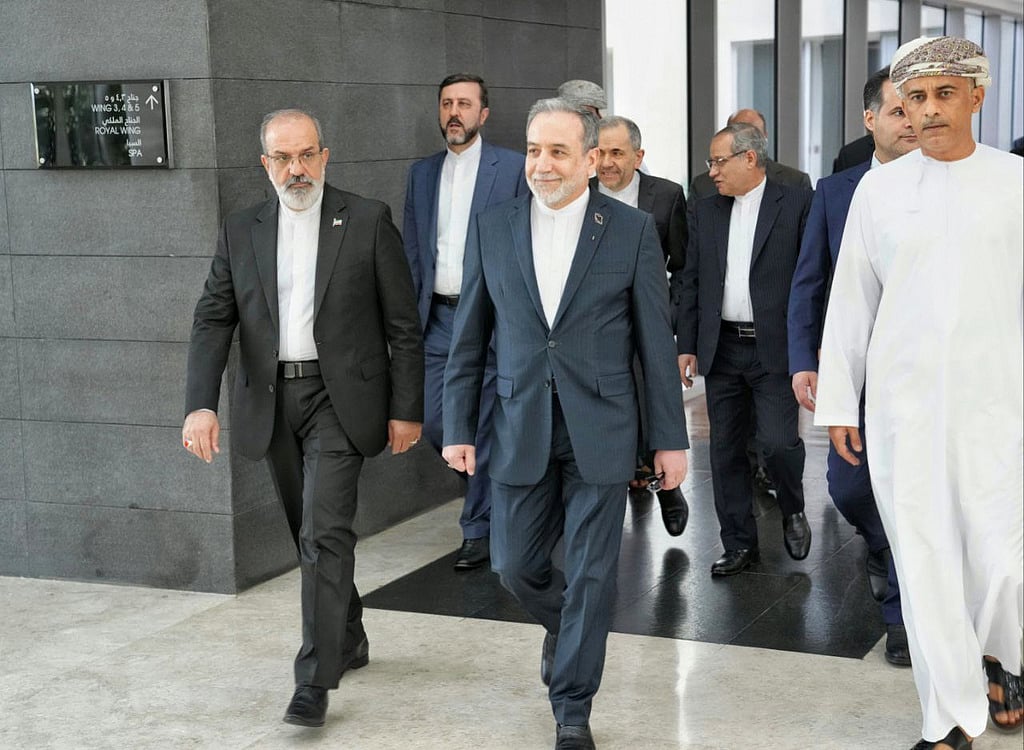
Dubai: Iran’s reported discussions with Oman over a possible payment system for ships crossing the Strait of Hormuz are raising fresh questions about whether Tehran is seeking to turn wartime leverage over the world’s most critical energy chokepoint into longer-term strategic influence.
The talks, reported by Bloomberg News and The New York Times, are significant because they suggest Iran may be looking for regional backing for a future shipping framework linked to Hormuz.
That marks a potentially important shift in the Hormuz crisis — from the temporary disruption of shipping lanes during war to possible attempts to formalise control, management and revenue collection in one of the world’s most strategically sensitive waterways.
The UAE has strongly opposed any attempt to impose transit fees on vessels passing through the Strait of Hormuz, as Gulf states and the United States intensified diplomatic efforts at the United Nations to safeguard freedom of navigation in the vital maritime corridor.
Speaking during a media briefing in New York on a joint Gulf-US draft resolution concerning Hormuz, Mohamed Abushahab said the UAE opposed any charges on ships transiting the waterway.
“We reject the imposition of any fees for passage through the Strait of Hormuz. These international maritime corridors must not be subjected to extortion,” he said.
Abushahab also accused Iran of laying mines and posing ongoing threats to shipping in the strait.
From disruption to leverage
It remains unclear whether the Iran-Oman discussions will produce any concrete agreement. But the talks appear to signal that the United States and Iran are no closer to ending a war that has badly damaged the global economy despite repeated claims to the contrary by US President Donald Trump.
Since the US-Israeli strikes on Iran in late February, Tehran has sharply restricted commercial traffic through Hormuz, disrupting global shipping and sending energy prices soaring.
As Iran’s leverage over global energy markets grew, officials increasingly began discussing ways to maintain influence over the strategic waterway and potentially generate revenue from it.
Amid the reported talks with Oman, Iran’s newly created authority responsible for overseeing the strait said it had “defined the boundaries” of a Hormuz “management supervision area” and that vessels would require permits to pass through it.
In remarks to Bloomberg, Iranian Ambassador to France Mohammad Amin-Nejad said Iran and Oman must “mobilise all their resources” to provide security services and manage navigation through the strait.
“This will entail costs,” he said, adding that countries benefiting from the maritime corridor “must also pay their share”.
Amin-Nejad said any potential system would be transparent.
According to the report, Iranian officials have discussed a system under which ships passing through Hormuz would pay fees linked to maritime services and traffic management rather than direct transit tolls.
Iranian authorities have reportedly framed the proposal as payment for “services” — a distinction that could prove crucial under international maritime law.
Why Oman matters
Oman’s reported involvement has drawn attention because Muscat has traditionally maintained close ties with Western powers while also positioning itself as a neutral regional mediator.
Oman has frequently acted as a diplomatic channel between Tehran and Washington during periods of tension, including during past nuclear negotiations.
Its geographic position also gives it a direct interest in maritime security around Hormuz. The Gulf of Oman lies adjacent to the strait and forms part of the main shipping approach into the waterway from the Arabian Sea.
Analysts say the discussions highlight the growing regional and economic importance of any future arrangements linked to shipping and navigation through Hormuz.
‘Fee’ versus ‘toll’
The legal distinction between a fee and a toll is central to the debate.
Under the 1982 United Nations Convention on the Law of the Sea, ships are guaranteed the right of transit passage through international straits without interference, provided they comply with recognised safety and environmental rules.
While Iran is not formally a signatory to the convention, many of its principles are widely regarded as binding customary international law.
Legal experts quoted by The New York Times said charging ships simply for crossing Hormuz would almost certainly trigger international opposition.
However, fees linked to specific maritime services — such as navigation support, environmental monitoring or traffic coordination — could fall into a more legally defensible grey area if structured carefully.
One maritime law expert compared the idea to “protection money”, warning that any attempt to disguise transit tolls as service fees would face intense scrutiny.
Washington pushes back
US President Donald Trump has repeatedly rejected the idea of any Iranian-controlled payment system in Hormuz.
“We want it free,” Trump said at the White House this week. “It’s an international waterway.”
US Secretary of State Marco Rubio also warned that imposing fees on international shipping would complicate efforts to reach a diplomatic settlement with Tehran.
The talks underscore how far apart the two sides remain despite the fragile April 8 ceasefire.
Washington continues to insist Iran must surrender its enriched uranium stockpile and dismantle key parts of its nuclear programme, while Tehran has demanded sanctions relief, compensation and guarantees against future attacks.
A new phase in the Hormuz crisis?
For months, the Hormuz crisis has revolved around military threats, naval deployments and fears of supply disruption.
But the latest developments suggest a broader strategic contest may now be emerging — one centred not just on security, but on who ultimately gets to regulate, manage and profit from the flow of global energy through the strait.
That raises a deeper question for global powers and energy markets alike: if commercial traffic fully returns to Hormuz, will the waterway simply reopen — or reopen under a new balance of power shaped by the war?
For now, the world’s most critical energy artery remains caught between diplomacy, naval pressure and an increasingly complex struggle over control of global trade flows.

Sign up for the Daily Briefing
Get the latest news and updates straight to your inbox
Network Links
GN StoreDownload our app
© Al Nisr Publishing LLC 2026. All rights reserved.