‘Loud noises still wake me’: Sailors recount trauma after Strait of Hormuz crisis
Psychologists warn of lingering stress as crews recall Strait of Hormuz ordeal
“I still wake up in the middle of the night whenever I hear a loud sound.”
For Rene, not his real name, the fear did not end when he finally returned home to the Philippines.
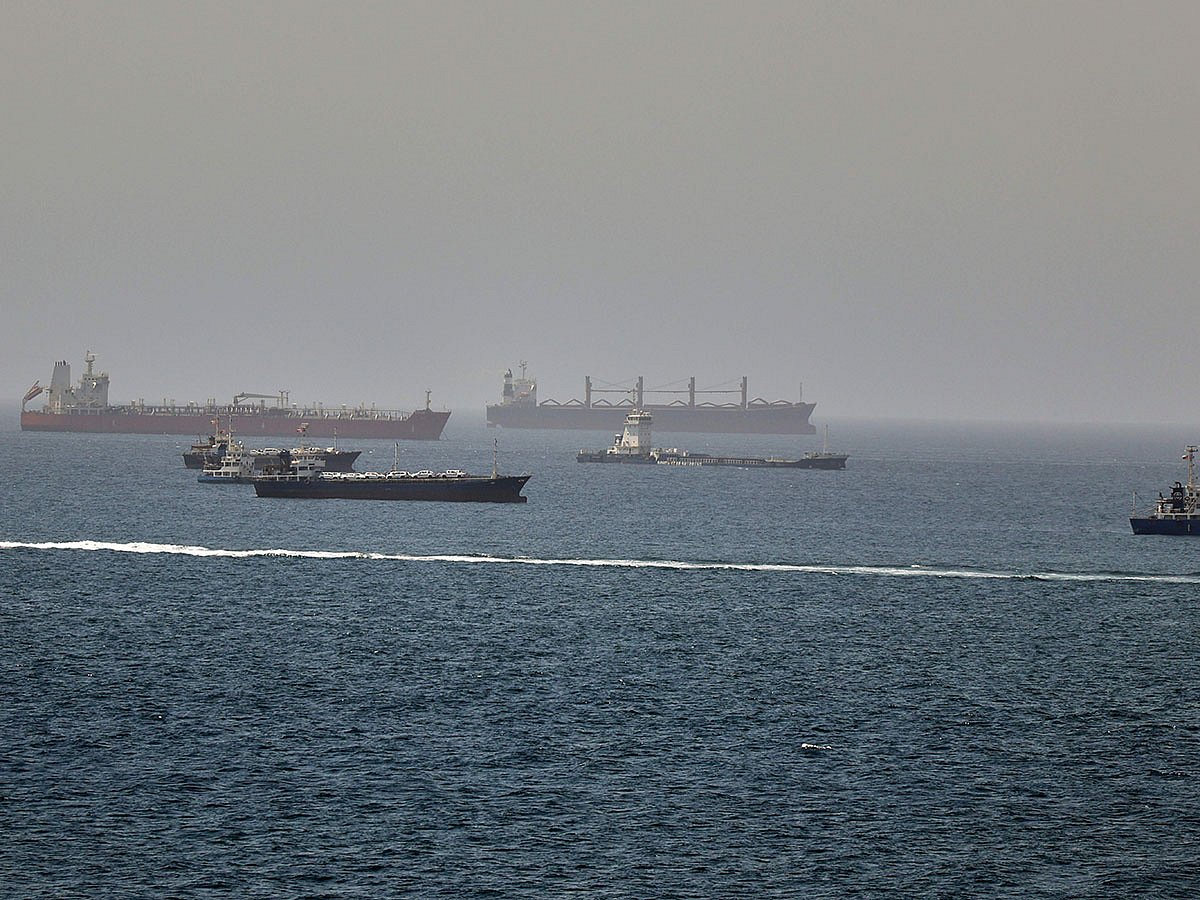
After weeks stranded near the Strait of Hormuz during the height of tensions between the United States and Iran, sleep remains difficult. Even now, the smallest noise brings him back to the nights at sea when explosions echoed across the Gulf.
Get updated faster and for FREE: Download the Gulf News app now - simply click here.
“I always felt like I was in danger,” he said. “I feel like I have been traumatized by what I experienced there.”
During the height of the conflict, Rene and his fellow crew members spent their nights listening for explosions, unsure whether the next missile or drone attack would come closer to their vessel.
“We heard explosions almost every day,” he recalled. “You do not know what will happen next. You just pray you will make it home.”
Now back in the Philippines, Rene is trying to rebuild a sense of normalcy. He has started training for a new job and says his family’s support has helped him begin recovering from the experience.
We heard explosions almost every day. You do not know what will happen next. You just pray you will make it home.Rene | Filipino sailor
Still, some nights remain harder than others.
Even after making it home safely, sudden noises still wake him in the middle of the night.
According to psychologist and trauma therapist Elaine Maichin, many seafarers may continue experiencing heightened stress, hypervigilance, sleep disturbances, and anxiety even after the immediate danger has passed.
“The nervous system does not automatically recognize when danger is over,” Maichin explained. “After prolonged exposure to uncertainty and perceived threat, the brain and body can remain in a heightened state of alert.”
But not everyone was able to leave.
For some sailors, the trauma was not something they carried home. It was something they continued to face for days while stranded in one of the world’s most volatile shipping corridors.
The International Maritime Organization estimated that around 20,000 seafarers were affected by the crisis in the Strait of Hormuz, a critical global trade route that became increasingly dangerous during the height of the geopolitical tensions.
Rene was able to fly back to the Philippines just days before US President Donald Trump announced that a peace agreement had been reached between Washington and Tehran.
Yet even after the ceasefire was declared, many sailors remained at sea, awaiting instructions and uncertain when they would be allowed to leave the area.
Clifford, another Filipino sailor who requested anonymity, has remained near the Strait since the tensions began.
“We entered the Arabian Gulf before the war, on February 27, in Al Jubail, Saudi Arabia,” he said. “The war broke out while we were at anchor waiting to load chemicals.”
A veteran seafarer, Clifford said the recent conflict was unlike anything he had experienced in years working at sea.
“I have been a sailor for many years now, but it was the first time I witnessed missile and drone attacks,” he said.
Like Rene, Clifford said hearing news of the peace deal brought an overwhelming sense of relief.
“It felt like a thorn had been removed from my throat,” he said.
Yet both men said the fear has not disappeared.
For Rene, memories of the constant radio warnings continue to linger, particularly repeated announcements warning ships against passing through the Strait of Hormuz.
“It kept ringing in my ears,” he said. “You always felt that something could happen at any moment.”
Maichin, who owns Uniquely You Mental Health Center, said anxiety can persist long after the physical threat has subsided because the brain is designed to prioritize survival.
“When people spend weeks or months anticipating danger, the nervous system continues scanning for risk even when circumstances become safer,” she said. “This is a normal response to prolonged stress.”
Another sailor, Chester, who also requested anonymity, is now preparing to leave the Strait following the easing of tensions. But he said the emotional strain of the experience remains difficult to shake off.
“Life goes on,” Chester said, his voice trembling. “But it will take time.”
For Rene, recovery is still a work in progress.
Even after making it home safely, sudden noises still wake him in the middle of the night.
Network Links
GN StoreDownload our app
© Al Nisr Publishing LLC 2026. All rights reserved.