Iran’s rejection of US plan shows hardliners’ sway
State TV rejection and defiant tone signal security establishment driving Iran’s stance
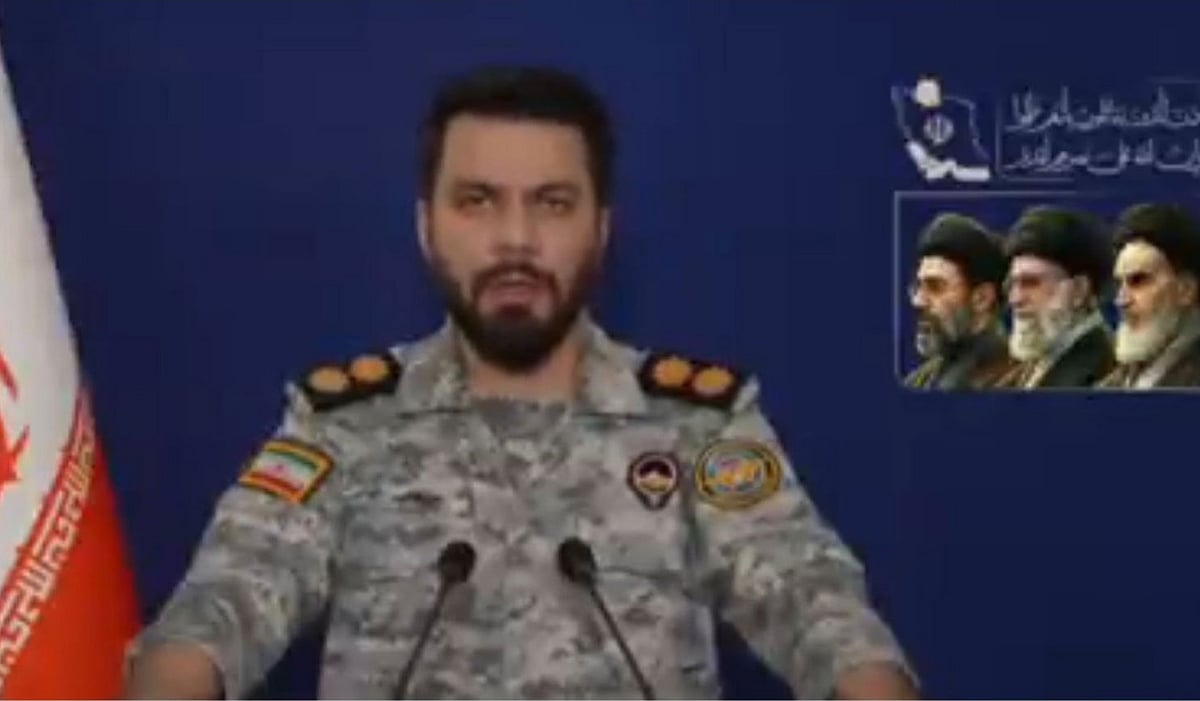
Dubai: Iran’s rejection of a US-backed peace plan has underscored a familiar pattern — and a deeper reality — that in moments of crisis, the country’s hardline establishment remains firmly in control of both tone and direction.
Iranian state television, citing an unidentified senior official, said Tehran had “responded negatively” to the American proposal aimed at ending the war.
“The end of the war will occur when Iran decides it should end, not when Trump envisions its conclusion,” the official said, according to Press TV.
The fact that the rejection was aired through state television — rather than formal diplomatic channels — signals that the message is being driven by Iran’s security establishment, underscoring where real authority lies.
The response reflects a broader pattern in Iran’s approach to external pressure. Since the 1979 revolution, Tehran has repeatedly resisted US and Western demands — from enduring decades of sanctions to refusing limits on its missile programme and insisting on domestic uranium enrichment even during negotiations.
US plan meets resistance
The rejection comes even as the United States has pushed a 15-point framework — conveyed to Iran via Pakistan — that includes a one-month ceasefire to open negotiations.
What’s in the US 15-point plan?
According to media reports, the framework combines military demands, nuclear restrictions and economic incentives.
Key elements reportedly include:
A 30-day ceasefire to allow negotiations
Dismantling of Iran’s nuclear facilities at Natanz, Isfahan and Fordow
A permanent commitment by Iran not to develop nuclear weapons
Transfer of enriched uranium stockpiles to the International Atomic Energy Agency (IAEA)
Full monitoring access for inspectors and an end to domestic uranium enrichment
Limits on Iran’s missile programme
Ending support for regional proxy groups
Reopening the Strait of Hormuz
Lifting of US and UN sanctions
US support for civilian nuclear energy at Bushehr
While sweeping in scope, the plan appears to bundle long-standing US and Israeli demands into a single framework.
The proposal reportedly calls for curbs on Iran’s nuclear and missile programmes, limits on its regional activities, and the reopening of the Strait of Hormuz, in exchange for sanctions relief and civilian nuclear cooperation.
However, there has been no formal statement from Iranian authorities on the plan. Foreign Minister Abbas Araghchi, who led pre-war talks with Washington, has yet to comment, although Iranian outlets such as Mehr and Tasnim have echoed the state television report.
Iran sets its own terms
Instead of engaging with the US framework, Tehran has outlined five conditions for ending hostilities.
Iran’s counterproposal
According to state media, these include:
A complete halt to attacks and targeted killings of Iranian officials
Guarantees that the war will not be reimposed
Reparations for damages caused by the conflict
A full end to hostilities across all fronts, including regional allies
International recognition of Iran’s sovereignty over the Strait of Hormuz
According to state media, these include a halt to “aggression and assassinations” against Iran and its leaders, guarantees that the United States and Israel will not resume the war, compensation for damages, a cessation of hostilities across all regional fronts — including allied groups — and international recognition of Iran’s sovereignty over the Strait of Hormuz.
Iranian officials have repeatedly stressed they are not seeking a temporary ceasefire, but a comprehensive end to the war on their own terms.
Talks disputed, war continues
Despite US President Donald Trump’s claims of progress, Iranian officials insist that no negotiations — direct or indirect — are currently taking place.
Diplomatic channels remain active through regional intermediaries, but public messaging from Tehran has stayed firm. Iranian media has described US proposals as “excessive”, while officials continue to frame the conflict as one that must be resolved on Iran’s terms.
On the ground, there has been no let-up in fighting.
Iran said it had launched cruise missiles at the USS Abraham Lincoln, while Israeli strikes continued on targets inside Iran. Attacks have spread across the region, hitting sites in Lebanon, Bahrain, Kuwait, Jordan and Saudi Arabia.
Iran’s parliament speaker Mohammad Bagher Ghalibaf warned that Tehran was “closely monitoring all US movements in the region”, cautioning Washington against sacrificing American soldiers for Israeli Prime Minister Benjamin Netanyahu’s “delusions”.

Sign up for the Daily Briefing
Get the latest news and updates straight to your inbox
Network Links
GN StoreDownload our app
© Al Nisr Publishing LLC 2026. All rights reserved.