Hormuz shock: Middle East war may redraw global energy routes — IEA
IEA warns Hormuz crisis could permanently reshape oil trade and investment
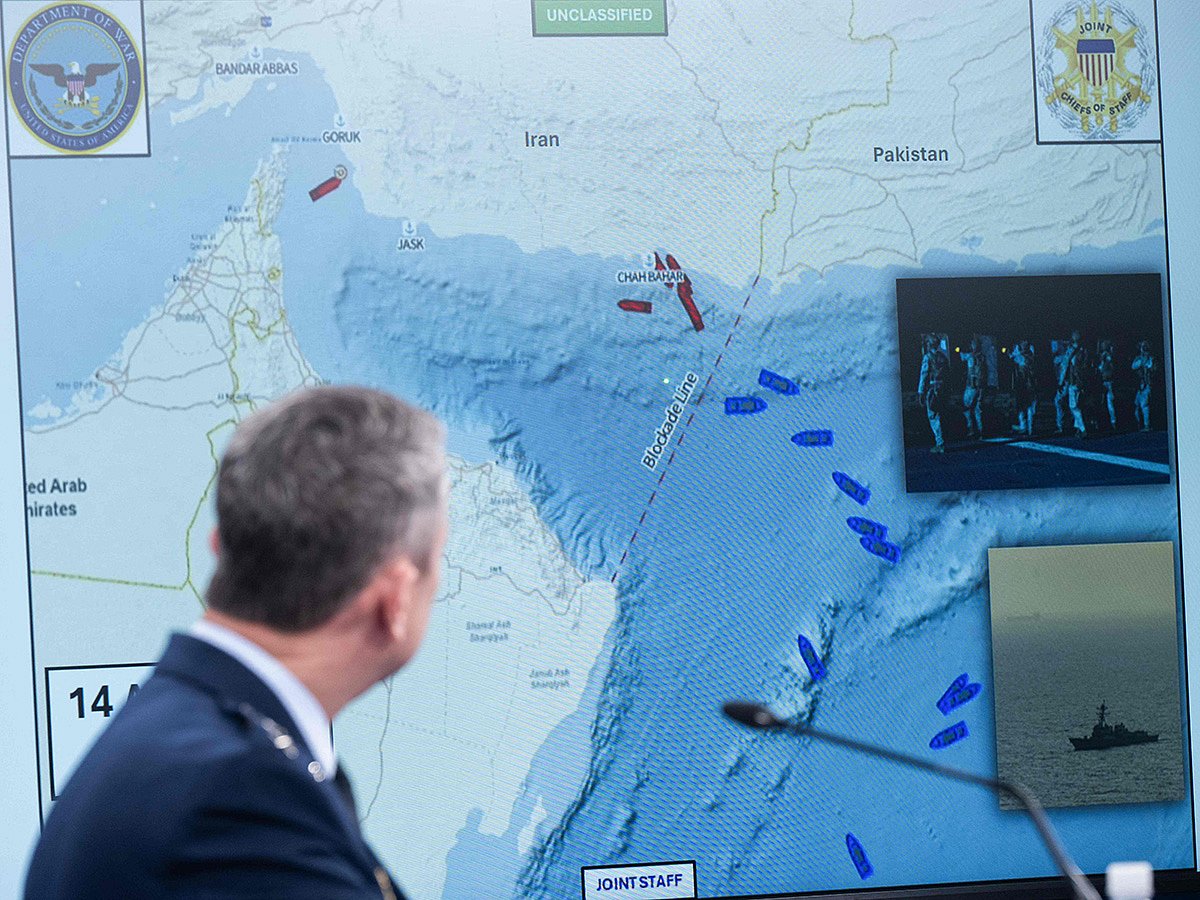
The Middle East conflict and the disruption around the Strait of Hormuz are shaking confidence in the world’s most important oil chokepoint, according to International Energy Agency chief Fatih Birol.
He warned that even if the waterway reopens quickly, the oil market will not simply snap back to normal, because restoring output, shipping flows and investment will take time.
Why it matters
The Strait of Hormuz handles a huge share of seaborne crude and fuels, so any prolonged disruption can ripple through global prices, shipping costs and refinery operations.
Birol’s warning suggests the crisis is no longer just a regional security problem; it is becoming a structural energy risk that could shift trade patterns and investment decisions for years.
Market impact
Birol said the world may be entering an era in which the global economy is "less dependent on a single route" for energy exports.
That matters because importers in Asia and Europe would face more volatility, while producers outside the Gulf could gain leverage as buyers look for alternative supply lines.
The IEA has also said the shock has already caused a major drop in global oil supply, reflecting attacks on infrastructure and restrictions on tanker movement through the strait.
In practical terms, he said, that means tighter balances, firmer prices and a slower recovery even after any ceasefire or diplomatic breakthrough.
Single-point chokepoint
This is part of a longer trend: energy markets have been trying to diversify away from single-point chokepoints since earlier disruptions in the Red Sea, the Russia-Ukraine war and repeated tensions in the Gulf.
The current crisis raises the possibility that buyers and shippers will accelerate that shift in a number of ways:
Through longer routes
More storage
More strategic reserves and
More investment in non-Gulf supply.
Birol’s remarks also underline a harsh reality for oil producers in conflict zones: restarting output is not just a matter of turning wells back on.
It can require repairs, insurance access, port security, pipeline integrity and fresh capital, which is why recovery can lag long after the fighting cools.
The IEA stated in its latest monthly oil market report that disruptions tied to Middle East attacks and tighter tanker movement through Hormuz pushed global oil supply sharply lower in March, underscoring how quickly the conflict can reshape energy flows.
Network Links
GN StoreDownload our app
© Al Nisr Publishing LLC 2026. All rights reserved.