Back to the brink? What happens after Trump rejects Iran proposal?
Markets rattle, Gulf tensions rise after Trump calls Iran's response totally unacceptable
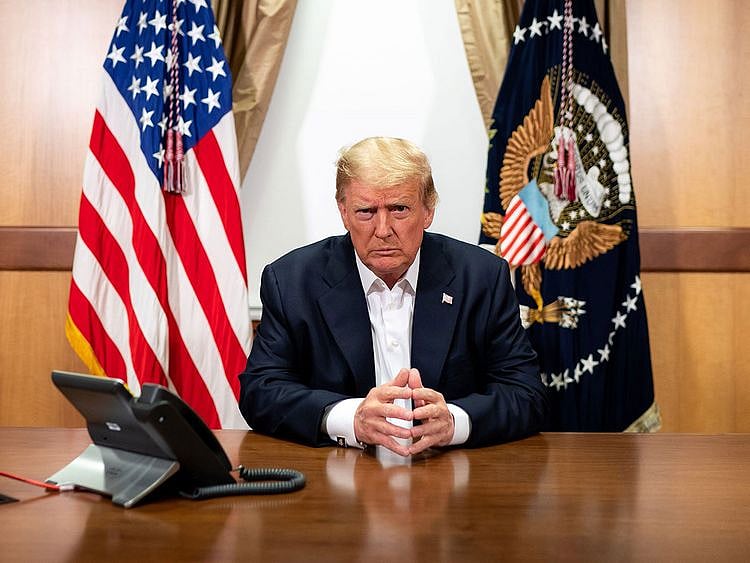
Dubai: President Donald Trump’s rejection of Iran’s latest response to a US ceasefire proposal has pushed the fragile Gulf truce back to the brink, raising fresh fears of renewed military escalation, shipping disruption and another spike in global oil prices.
Trump called Tehran’s response “totally unacceptable”, accusing Iran of “playing games” after the White House waited 10 days for Tehran’s reply to a draft framework aimed at ending the war and reopening the Strait of Hormuz.
Iranian state media, meanwhile, said Tehran had rejected what it described as demands amounting to “surrender”, insisting instead on sanctions relief, an end to the war and guarantees against future attacks before making major concessions.
So where do things go from here?
Why did Trump reject Iran’s response?
According to Iranian state media reports, Tehran’s response focused heavily on wartime and economic demands rather than immediate nuclear concessions.
Iran reportedly demanded:
An end to the war across all fronts
Immediate lifting of US sanctions
Release of frozen Iranian assets
An end to the US naval blockade
Recognition of Iranian management of the Strait of Hormuz
The proposal also reportedly sought a phased process beginning with a memorandum of understanding followed by 30 days of negotiations.
But US officials had hoped for clearer commitments on Iran’s nuclear programme, including limits on uranium enrichment, inspections and guarantees on maritime security.
Trump gave few details, but his swift rejection suggested the gap between the two sides remains wide.
What was Washington expecting?
The US position has consistently focused on rolling back Iran’s nuclear capabilities before offering broader relief.
Washington’s key demands reportedly include:
Removal or transfer of highly enriched uranium
International inspections
Restrictions on enrichment levels
Guarantees for free navigation through Hormuz
Limits on Iranian military activity linked to regional shipping attacks
Israeli Prime Minister Benjamin Netanyahu reinforced that position over the weekend, saying the war could not truly end while enriched uranium remained inside Iran.
Is the ceasefire now in danger?
The risk of escalation has risen sharply.
Despite the ceasefire, drones targeted Gulf waters and airspace over the weekend:
The UAE said it intercepted two drones launched from Iran
Kuwait reported drones entering its airspace
A ship near Qatar caught fire after a reported drone strike
No major casualties were reported, but the incidents highlighted how quickly tensions could flare again.
Iran and allied groups have repeatedly used drones during the conflict, while US and allied naval forces remain on high alert across the Gulf.
Could military action resume?
Trump has not said whether he will continue negotiations or pivot back toward military pressure.
But pressure is already building inside Washington for a harder response.
Senator Lindsey Graham urged Trump to consider reviving “Project Freedom Plus” — an expanded naval escort mission in the Strait of Hormuz that was suspended after less than 48 hours during the ceasefire.
The US military has also maintained its blockade of Iranian ports, saying dozens of vessels have been turned back since April.
Iran has warned any attacks on its tankers or commercial vessels would trigger “heavy assaults” on US bases and ships in the region.
Why is the Strait of Hormuz so important?
The Strait of Hormuz remains the central pressure point in the crisis.
Roughly one-fifth of the world’s oil and significant LNG supplies pass through the narrow waterway connecting the Gulf to global markets.
Any disruption affects:
Oil prices
Shipping insurance costs
Fuel prices
Global supply chains
Energy-importing economies
Brent crude jumped around 3% after Trump’s latest comments, briefly hovering near $104 a barrel.
Iran has repeatedly linked any reopening of the strait to sanctions relief and broader political guarantees.
What role could mediators play now?
Pakistan and Oman are expected to remain central backchannel mediators if diplomacy continues.
Pakistan has hosted direct and indirect contacts between the two sides in recent weeks, while Oman has long acted as a quiet intermediary between Washington and Tehran.
Diplomats say several possibilities remain on the table:
A revised US proposal
Smaller confidence-building measures
Limited maritime arrangements
Extension of ceasefire talks while negotiations continue
But officials acknowledge trust between the two sides remains extremely low.
What is the biggest sticking point?
The core dispute remains the sequencing of concessions.
The US position is broadly:
Nuclear rollback first
Then sanctions relief and broader agreements
Iran’s position is effectively the reverse:
End the war and economic pressure first
Then discuss nuclear limits and wider commitments
That deadlock has repeatedly stalled negotiations.
What happens next?
For now, both sides appear to be keeping diplomacy alive while simultaneously preparing for possible escalation.
Trump says diplomacy is being given “every chance”, but Iran’s military leadership has also warned it is on “full readiness”.
With drones returning to Gulf skies, oil markets already reacting and both Washington and Tehran hardening their public positions, the ceasefire increasingly appears fragile.
The coming days may determine whether the region moves back toward negotiations — or closer once again to open conflict.
-- With AP inputs

Sign up for the Daily Briefing
Get the latest news and updates straight to your inbox
Network Links
GN StoreDownload our app
© Al Nisr Publishing LLC 2026. All rights reserved.