Trump says Iran's proposal 'totally unacceptable', accuses Tehran negotiators of 'playing games'
Trump sharply attacks Tehran’s latest reply to a proposed framework for de-escalation
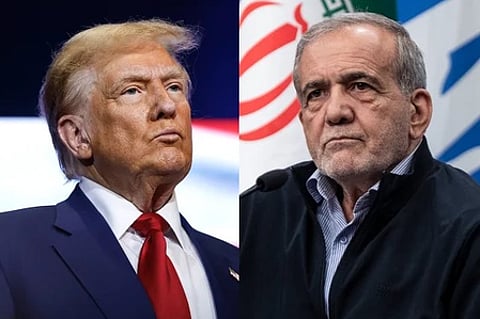
Diplomatic efforts between the US and Iran appeared to stall again even as a fragile ceasefire holds across a region still rattled by weeks of strikes, naval incidents and mounting economic pressure.
Overnight on Sunday and into early Monday (may 11, 2026), US President Donald Trump stated in a socmed post that Iran's proposal is "totally unacceptable" after Tehran responded to Washington’s latest proposal for ending the war.
Trump sharply criticised Tehran’s latest reply to a proposed framework for de-escalation, calling it “totally unacceptable” and accusing Iranian negotiators of “playing games.”
Get updated faster and for FREE: Download the Gulf News app now - simply click here.
His remarks underscored how far apart the two sides remain on the terms of any longer-term settlement, despite backchannel talks meant to prevent the conflict from spiraling into a broader war.
The impasse comes as both governments attempt to define what a post-ceasefire landscape should look like.
Tasnim, citing an informed source, stated: “Trump’s reaction is of no importance. No one in Iran is working on formulating a plan to satisfy the American president.”
Washington has signaled that any durable agreement must address Iran’s nuclear program, its missile capabilities and its role in regional waterways. Tehran, meanwhile, has insisted that sanctions relief and recognition of its maritime rights must come first.
Limited exchange of strikes
Iran’s military issued a pointed warning that countries enforcing sanctions against Tehran would “face problems” when their vessels pass through the strait — a message widely interpreted as a reminder of Iran’s capacity to disrupt global shipping if tensions escalate again.
Recent weeks have seen US and Iranian forces trade limited strikes and naval confrontations in and around the waterway, raising fears in global markets about the vulnerability of energy supplies.
For now, the guns are quieter than before — but the rhetoric from Washington, Jerusalem and Tehran suggests the political distance between the parties may be widening rather than narrowing.
Trump-Netanyahu call
In Israel, Prime Minister Benjamin Netanyahu said Sunday that there is still “work to be done” in the joint US–Israeli campaign against Iran, arguing that Tehran has neither surrendered its stockpile of enriched uranium nor dismantled key nuclear facilities.
Netanyahu spoke by phone with Trump as the two leaders coordinated positions amid the diplomatic stalemate.
The military dimension of the crisis continues to simmer in the background, particularly around the Strait of Hormuz, one of the world’s most critical oil transit routes.


