Saudi Arabia issues new Ramadan guidelines for mosques nationwide
Ministry of Islamic Affairs sets rules on prayer timing standards, donation controls
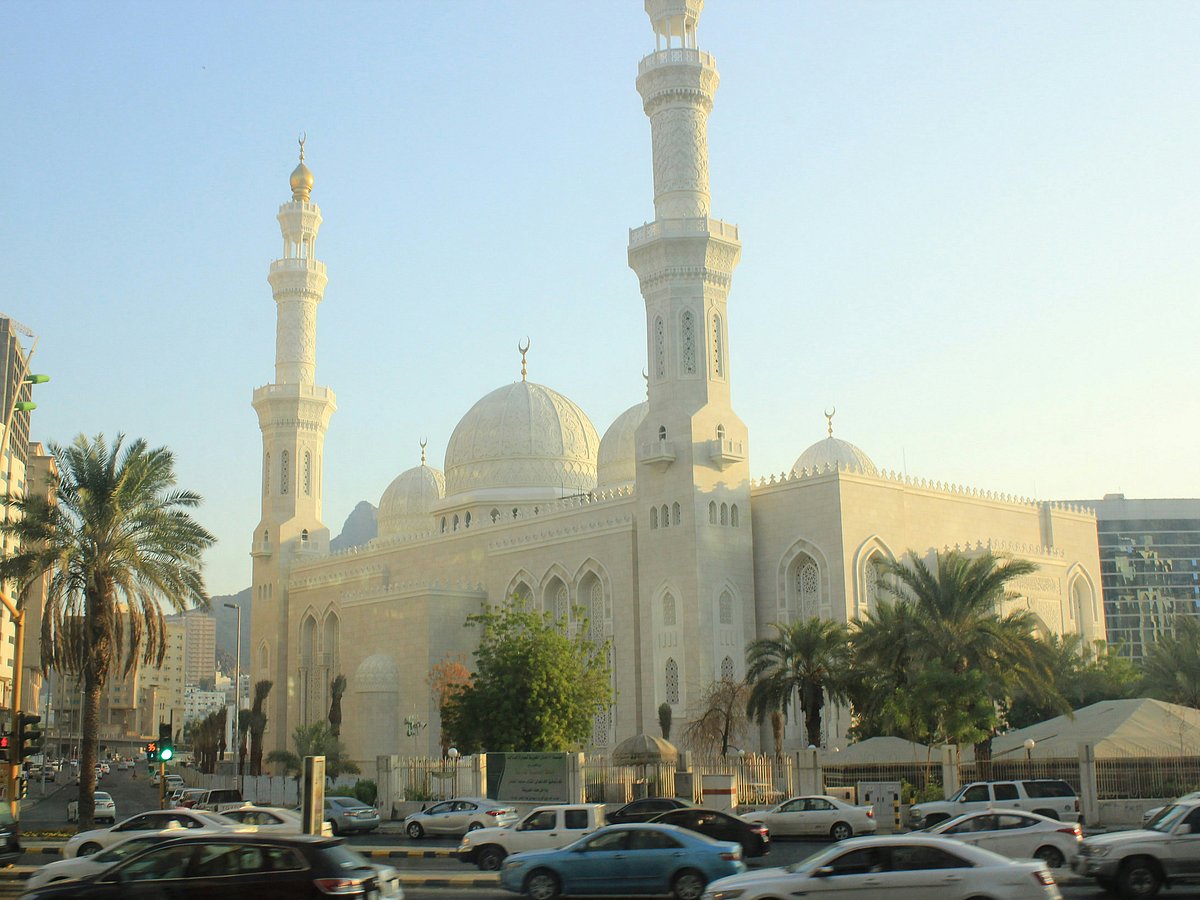
Dubai: As Ramadan approaches, Saudi Arabia’s Ministry of Islamic Affairs, Call and Guidance has issued a comprehensive set of directives to prepare mosques nationwide for the holy month of Ramadan, reinforcing regulations governing mosque staff and outlining measures aimed at improving services for worshippers.
The circular, released ahead of Ramadan, applies to imams, muezzins and mosque workers in the Kingdom. It stresses the need for full attendance, allowing absences only in cases of extreme necessity and subject to official approval, with a substitute assigned in accordance with existing regulations.
The ministry also instructed mosques to adhere strictly to prayer schedules based on the Umm Al Qura calendar. It called for the Isha prayer call to be delivered on time and specified that the interval between the call to prayer and the start of congregational prayer should be set at 15 minutes, particularly for Isha and Fajr, to ease attendance for worshippers.
During the final 10 nights of Ramadan, it said, the Tahajjud prayer should conclude before dawn in a way that does not cause hardship. Tahajjud, a voluntary late-night prayer, holds deep significance for Muslims, particularly during the last ten nights, which are considered a time for seeking divine mercy and blessings.
The guidelines further emphasised that supplications during the Qunut should follow prophetic tradition, marked by humility and restraint, avoiding excessive length or ornate rhyming. Qunut in prayer is an act that fulfils the primary purpose of prayer, which is supplication (dua). It is prescribed on various occasions, with some differences among scholars regarding specific instances. Imams were also encouraged to deliver religious lessons to congregations throughout Ramadan, in line with previous circulars.
Cameras, broadcasting and fundraising
The ministry reiterated rules governing the installation of surveillance cameras inside mosques, stressing that they must not be used to film worshippers or imams during prayer. It also banned the live broadcasting or transmission of prayers through any media platforms.
Begging inside mosques or in their immediate surroundings was strictly prohibited, with staff instructed to report violations immediately to security authorities. Worshippers were urged to ensure that zakat and charitable donations reach legitimate recipients.
The directives also addressed i‘tikaf practices, requiring mosques to register those observing seclusion, verify their details and, for non-Saudis, obtain approval from a recognised sponsor. The collection of cash donations for iftar programmes or similar initiatives was explicitly banned.
Iftar meals are to be organised only in designated mosque courtyards and under the supervision of mosque staff, with sites cleaned immediately after use. Donations of bottled water must be regulated according to actual need, and large-scale storage was discouraged.
The ministry instructed its regional branches to intensify cleaning, maintenance and supervision efforts, including in women’s prayer areas. Inspectors were tasked with conducting daily field visits, submitting reports and addressing violations without delay.
Officials said the measures are part of the ministry’s broader efforts to ensure that mosques are fully prepared for Ramadan, providing a safe, organised and spiritually supportive environment for worshippers, in line with the Kingdom’s religious and community objectives.
Network Links
GN StoreDownload our app
© Al Nisr Publishing LLC 2026. All rights reserved.