Saudi Arabia introduces legal framework for self-driving vehicles
New rules clarify who is accountable when autonomous vehicles break traffic laws
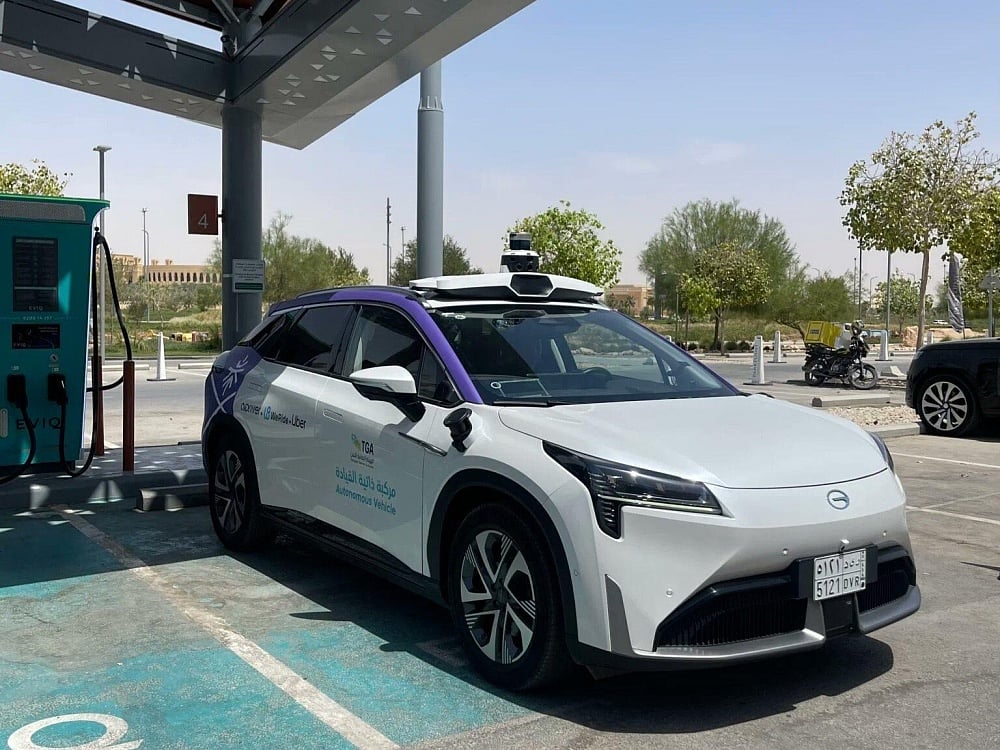
Dubai: Saudi Arabia has introduced a legal framework for autonomous vehicles, setting out liability rules and operational requirements as the Kingdom prepares for the wider adoption of self-driving technology.
The amendments to the traffic regulations, approved by Interior Minister Prince Abdulaziz bin Saud bin Naif, represent one of the most comprehensive efforts in the region to address the legal and operational challenges posed by rapidly advancing autonomous vehicle technology.
Get updated faster and for FREE: Download the Gulf News app now - simply click here.
Published in the official gazette Umm Al Qura, the new provisions establish clear responsibilities for vehicle owners and operators, while adapting existing traffic laws to accommodate vehicles capable of making driving decisions independently.
Under the updated framework, owners of fully autonomous vehicles will bear legal responsibility for compliance with traffic regulations, effectively placing accountability on the registered owner when no human intervention is required during operation.
For vehicles that still require some degree of human oversight, responsibility will remain with the driver, who must comply with all applicable traffic rules while the vehicle is in use.
The regulations also introduce new administrative requirements for autonomous vehicles. Owners seeking to remove a self-driving vehicle from official traffic records will be required to secure approval from the relevant authorities before deregistration can be completed, a measure designed to ensure that all technical and regulatory obligations have been fulfilled.
Saudi authorities have also clarified that conventional driver-authorisation requirements will not apply to vehicles capable of operating entirely without human control.
The amendments extend existing traffic obligations to autonomous vehicles, including adherence to road signs, traffic signals, right-of-way rules and procedures governing emergency vehicles and official convoys.
Penalties associated with traffic violations, accidents and other offences will likewise apply under the revised framework, including fines, vehicle impoundment and other sanctions provided for under Saudi law.
The changes are intended to support the safe deployment of increasingly sophisticated mobility technologies while ensuring that the legal system keeps pace with innovation.
The General Directorate of Traffic said the framework has been designed to accommodate autonomous vehicles operating at varying levels of automation, including systems capable of navigating and making driving decisions independently.
Self-driving vehicles rely on a combination of artificial intelligence, cameras, radar and laser-based sensing technologies to monitor road conditions, interpret their surroundings and navigate with limited or no human input.
Network Links
GN StoreDownload our app
© Al Nisr Publishing LLC 2026. All rights reserved.