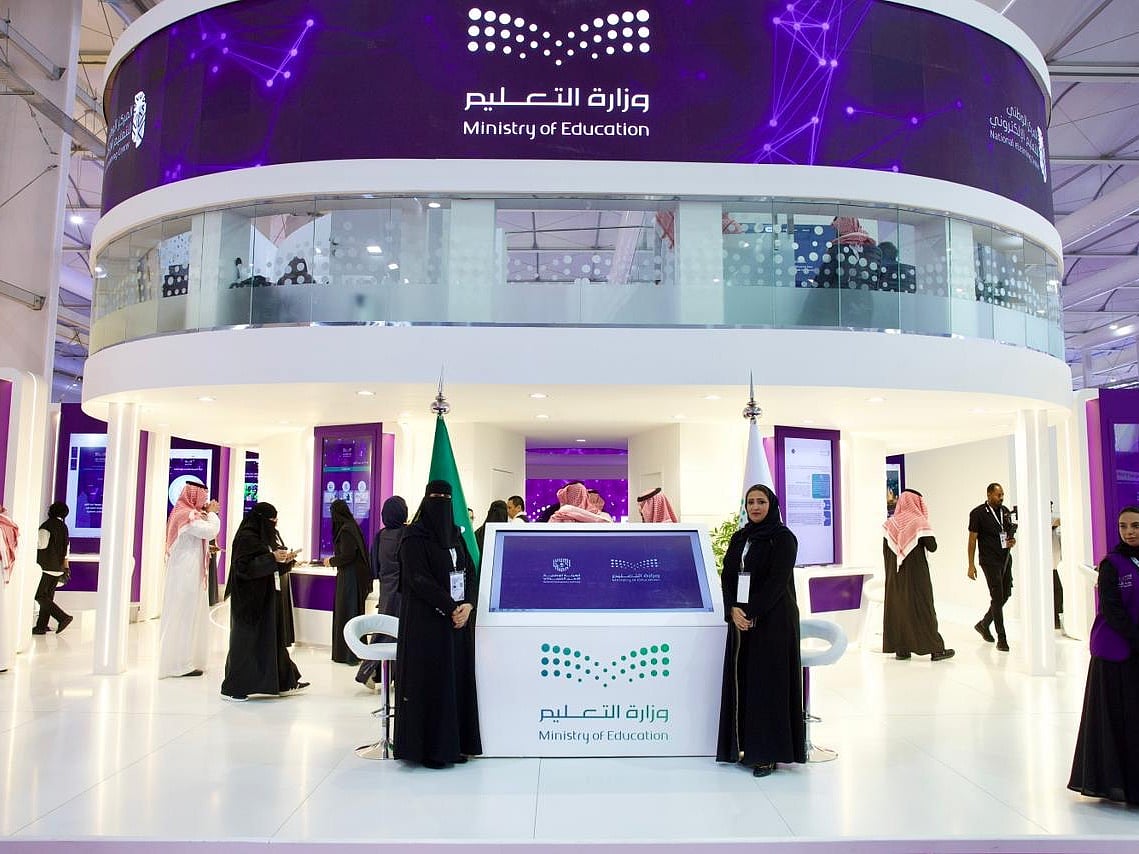
Dubai: Saudi Arabia has approved a landmark General Education Law that reshapes the governance of its school system, introduces new protections for students and teachers, and opens the door to greater private sector participation, in one of the Kingdom's most comprehensive education reforms under Vision 2030.
Issued by royal decree, the legislation creates, for the first time, a unified legal framework governing general education from early childhood through secondary school.
Get updated faster and for FREE: Download the Gulf News app now - simply click here.
The reforms are intended to improve educational quality, strengthen institutional accountability and better prepare future generations for a rapidly changing economy.
Education Minister Yousef Al Benyan welcomed the law's approval, thanking King Salman bin Abdulaziz and Crown Prince and Prime Minister Mohammed bin Salman for supporting a major milestone for the education sector.
He said the legislation would modernise governance while creating a more efficient and integrated system capable of responding to future educational and labour market demands.
Rather than focusing solely on classroom instruction, the new framework reorganises how the education sector will be managed. It establishes a General Education Affairs Council, chaired by the education minister, to coordinate long-term strategy, oversee national education policy and improve coordination among government bodies involved in the sector.
The council will also supervise issues ranging from admission policies and teacher regulations to private schools, virtual education and the academic calendar.
The legislation seeks to balance continuity with reform. Government education will remain free of charge, while compulsory schooling will continue from the age of six until 15.
At the same time, authorities will have broader powers to intervene when children are denied access to compulsory education or leave school before completing the mandatory stages.
The reforms also reflect Saudi Arabia's growing emphasis on educational flexibility. While classroom learning remains the foundation of general education, the law formally incorporates digital technologies into teaching and expands the role of distance learning, electronic platforms and lifelong learning programmes.
These measures are intended to create more diverse learning opportunities while supporting continuous education beyond the traditional school years.
Students will also have greater flexibility in choosing educational pathways. The Ministry of Education will be able to introduce specialised academic and vocational tracks that better reflect labour market needs, while establishing clearer mechanisms for students to move between general, technical and vocational education.
A significant portion of the legislation focuses on inclusion. Schools will be required to provide appropriate educational support for students with disabilities through specialised services, assistive technologies and tailored assessment methods.
The law also strengthens programmes for gifted students by expanding enrichment opportunities, specialist schools, teacher training and partnerships with universities and research institutions, while creating regulated pathways for exceptional students to progress more quickly through the education system.
Private education is expected to play a larger role under the new framework. The law introduces clearer licensing and accreditation requirements, strengthens oversight of school operators and establishes a more transparent regulatory environment intended to attract investment while maintaining educational standards.
Schools offering international curricula will remain subject to national curriculum requirements in areas related to Saudi identity and values.
The legislation also strengthens the professional status of teachers by guaranteeing access to professional development, improved working conditions and performance-based incentives. In return, teachers will be expected to deliver approved curricula, respond to individual student needs, encourage creativity and innovation, identify gifted learners and uphold professional and ethical standards.
Alongside these incentives, the law introduces tougher accountability measures across the education sector. Educational institutions and staff found to have violated regulations could face disciplinary action, including financial penalties, suspension from duties or licence revocation in serious cases.
Individuals convicted of offences involving dishonesty or moral misconduct will be prohibited from working in education, while incidents of violence affecting schools must be reported to the relevant authorities.
The reforms also aim to strengthen the role of families in the educational process, recognising parents as partners in supporting students' academic development and wellbeing from early childhood through graduation.
The Ministry of Education said it will work with other government agencies to prepare the executive regulations needed to implement the legislation, completing what officials describe as the legal foundation for the next phase of Saudi Arabia's education transformation.
Network Links
GN StoreDownload our app
© Al Nisr Publishing LLC 2026. All rights reserved.