Woman lived under dead Kuwaiti man’s identity for 30 years
Forged identity allegedly secured salaries, housing and benefits for nearly 30 years
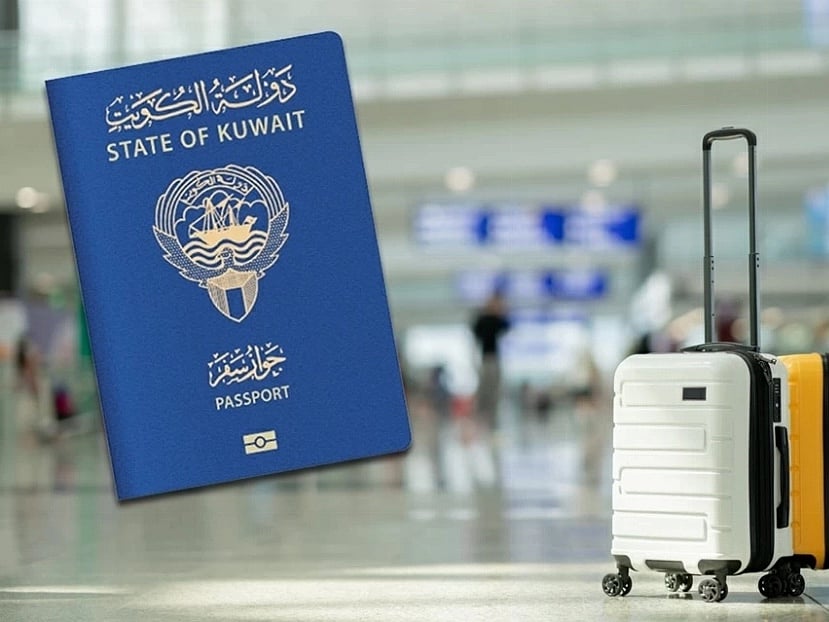
Dubai: A Gulf woman who spent three decades living under the identity of a dead Kuwaiti citizen has been sentenced to prison in one of Kuwait’s most extraordinary fraud and identity forgery cases, a scandal that has gripped public attention across the Gulf.
According to court proceedings, the case dates back to 1995, when the woman and her father allegedly forged official documents to register her as the daughter of a deceased Kuwaiti man.
Get updated faster and for FREE: Download the Gulf News app now - simply click here.
Authorities said the fabricated identity enabled the pair to gain access to a wide range of state benefits reserved for Kuwaiti citizens.
For nearly 30 years, the woman is said to have lived under the false identity without attracting suspicion, receiving monthly salaries, a state pension, government housing and other financial and social benefits tied to citizenship.
The deception was eventually uncovered following what officials described as lengthy and confidential investigations into old civil records and official documentation. Investigators later concluded that the woman, who had lived publicly as a Kuwaiti citizen for decades, was in fact impersonating the identity of another person.
The case triggered widespread debate on social media in Kuwait and across the Gulf, with many describing it as one of the region’s strangest citizenship fraud scandals.
Kuwait’s Criminal Court, presided over by Judge Dr Khaled Al Omaira, sentenced both the woman and her father to seven years in prison with hard labour.
The court also imposed a fine of 1.5 million Kuwaiti dinars and ordered the defendants to repay the funds and benefits they had unlawfully obtained over the course of three decades.
The ruling marks the latest in a series of high-profile fraud and citizenship-related investigations in Kuwait, where authorities have intensified scrutiny of forged identities and illegal access to state benefits.
Network Links
GN StoreDownload our app
© Al Nisr Publishing LLC 2026. All rights reserved.