Inside China’s extreme 12-hour workout ‘fat prisons’ going viral online
Influencer posts from inside China’s intense weight-loss boot camp reveal strict routines
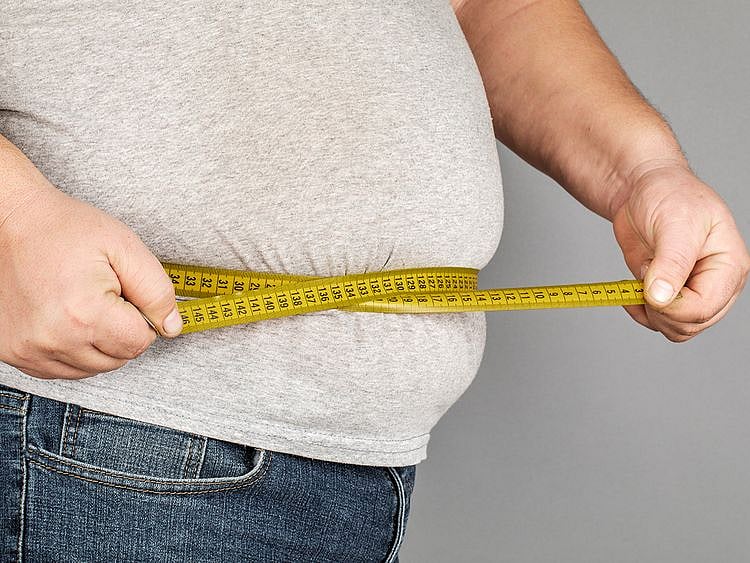
For people battling obesity in the age of TikTok and weight-loss influencers, an unconventional destination has emerged halfway across the world: military-style weight-loss camps in China, colloquially tagged on social media as “fat prisons.” These are not correctional institutions in the legal sense, but rather intensive residential programs where participants pay to lose weight under strict supervision and a regimented routine.
At first glance, the concept might seem like a hybrid of boot camp and wellness retreat. But like a high-intensity tech startup’s productivity sprint, the day inside one of these programs is tightly scripted. Days begin early — often before sunrise — with a twice-daily weigh-in and a full schedule of physical training. Aerobic sessions, weight training, high-intensity interval training (HIIT) and spin classes fill almost every waking hour. In some camps, participants report exercising for up to 12 hours a day.
Meals are equally controlled. A typical breakfast captured in video posts seen on platforms such as Instagram and TikTok consists of four boiled eggs, a slice of bread, half a tomato and cucumbers. Lunch and dinner follow similarly minimalist lines: lean proteins like roasted duck, lotus root, stir-fried vegetables and a single piece of fruit — all measured and served on institutional trays.
Australian content creator Eggeats, who chronicled her stay inside a Guangzhou-area camp, says newcomers sign contracts agreeing to mandatory workouts, no outside food, and no leaving unless they present a valid reason. Facilities are often fenced and gates locked during the program to discourage mid-course exits.
The appeal for some lies in speed and structure. Influencers documenting their experience have inspired many viewers looking for dramatic results “without expensive trainers or diets back home”. But fast results come with caveats. Current public health guidance — including from authorities like the World Health Organization (WHO) — warns that extreme weight loss methods may entail risks, and sustainable outcomes typically stem from balanced routines combining diet, exercise and long-term lifestyle changes.
Critics — including nutritionists and wellness experts — underscore concerns that such hectic regimens may lack evidence-based design and can even be counterproductive without supportive follow-up care. As some health studies show, structured exercise alongside sensible eating is key to lasting fitness; rapid shedding of kilos alone may not translate to improved physical health if routine stress and recovery aren’t balanced.
Network Links
GN StoreDownload our app
© Al Nisr Publishing LLC 2026. All rights reserved.