The Middle East war has entered another uncertain week, with oil prices climbing, shipping through the Strait of Hormuz slowing dramatically and the United States and Iran struggling to reach an agreement to end the conflict.
For UAE residents, the immediate concerns are disruption to regional flights, the security of shipping routes and the potential impact of prolonged instability on everyday costs.
Diplomacy continues despite Trump's rejection
US President Donald Trump has rejected Iran's latest proposal to reopen the Strait of Hormuz, but negotiations have not ended.
The Iranian plan proposed a seven-day process to reopen the waterway and restart negotiations towards a broader settlement. Trump rejected the terms but indicated that further discussions could take place this week.
Iranian Foreign Minister Abbas Araghchi has maintained that Tehran remains open to diplomacy while also being prepared for renewed military confrontation. Qatar continues to play a mediating role between the two sides.
The diplomatic uncertainty leaves the Gulf facing the possibility of further escalation, even as efforts to find a negotiated settlement continue.
Shipping through Hormuz slows sharply
The situation in the Strait of Hormuz remains particularly concerning for the UAE.
Shipping data from Kpler showed that just five commodity vessels passed through the strait on Saturday, compared with 31 over the previous weekend. No transits were recorded on Sunday in the preliminary data.
The slowdown follows reported attacks on tankers and comes amid continuing restrictions on maritime traffic.
For the UAE, the consequences extend beyond oil exports. Hormuz is a vital route for commercial shipping, and prolonged disruption can increase freight costs, complicate supply chains and put additional pressure on businesses that rely on imported goods.
UAE flights face further disruption
Air travel remains one of the most immediate concerns for residents.
Emirates and Etihad continue to operate most services, but some flights experienced delays on Monday. Flydubai cancelled its Dubai-Abha service, while Air Arabia reported cancellations affecting flights from Sharjah to Kuwait and Bahrain, as well as Abu Dhabi to Kuwait.
The UAE's suspension of flights operated by Iranian airlines also remains in effect, with no announced date for services to resume.
Passengers travelling from Dubai, Abu Dhabi or Sharjah should check their flight status directly with their airline before leaving home, particularly if their journey involves destinations elsewhere in the Gulf.
Oil prices climb as negotiations stall
The failure to reach an agreement has also affected energy markets.
Brent crude rose by almost 3% on Monday, reaching approximately $107.30 a barrel during trading, as investors reacted to the stalled negotiations and continuing uncertainty over oil supplies.
There was some relief following reports that Saudi Arabia's East-West pipeline had reopened after being damaged in a Houthi attack earlier this month. The pipeline provides an alternative route for Saudi oil exports that avoids Hormuz.
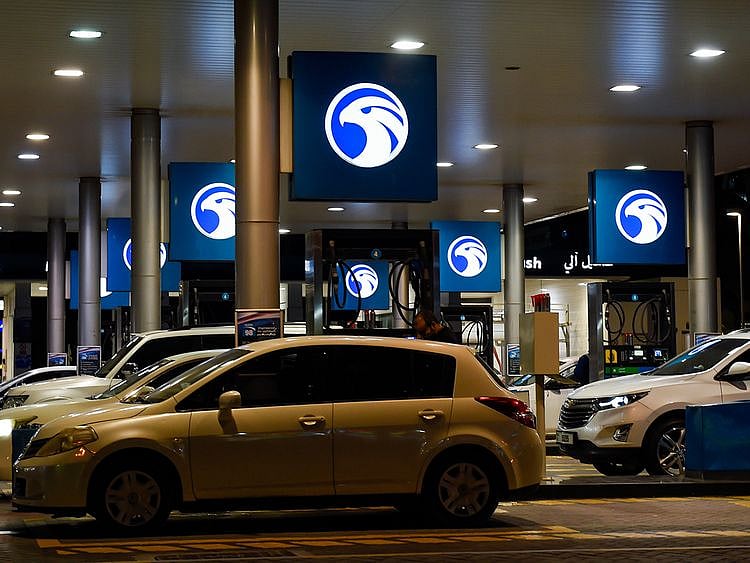
For UAE residents, higher crude prices do not automatically mean an immediate increase in petrol prices. However, sustained increases in energy, freight and insurance costs could eventually affect transport, imported goods and business expenses.
What should UAE residents expect next?
The coming days will be important for determining whether diplomatic efforts can reduce tensions.
Washington and Tehran remain divided over the conditions for reopening Hormuz, while the possibility of further military action continues to complicate negotiations.
For people living in the Emirates, there is no indication in the latest reporting of a need to change normal daily routines. However, residents should continue following official UAE announcements and checking travel arrangements.
The most important developments to watch are whether US-Iran negotiations resume, whether shipping through Hormuz begins recovering and whether regional aviation restrictions are eased.
For now, everyday life in the UAE continues, but the economic and security consequences of the conflict remain close to home.
Network Links
GN StoreDownload our app
© Al Nisr Publishing LLC 2026. All rights reserved.