Dr. Aslam Saleem, emergency doctor at Medcare Shaikh Saqr Al Qasimi
You’re cooling yourself wrong: Common mistakes UAE residents make in summer
Doctors debunk common cooling myths and share safer ways to beat the heat
Last updated:
4 MIN READ
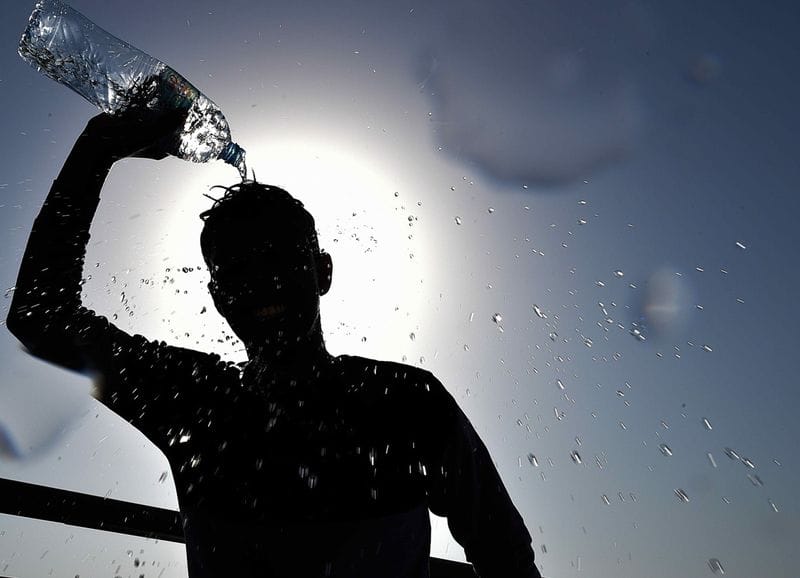
A boy tries to cool himself by pouring the water on his head to beat the heat as temperatures rise
Gulf News Archives
Dubai: When the UAE summer peaks and temperatures climb above 40°C, most residents instinctively reach for quick ways to cool down, a freezing drink, a blast of cold air, or an icy shower.
But according to doctors, many of these habits don’t actually help your body cool down and in some cases, they can make things worse.
Here’s what UAE-based medical experts say you may be doing wrong and what to do instead.
Get updated faster and for FREE: Download the Gulf News app now - simply click here.
Cooling down the right way
It may feel natural to grab an ice-cold drink after stepping out in the heat, but Dr. Aslam Saleem, emergency doctor at Medcare Shaikh Saqr Al Qasimi, has noted that the effect is mostly temporary.
“While cold drinks do help you feel cooler temporarily, they don’t significantly lower your core body temperature. In some cases, very cold drinks can even cause the body to slightly increase heat production as it works to balance the sudden temperature change,” Saleem told Gulf News.
Instead, he has recommended focusing on steady hydration with cool or room-temperature fluids, which are easier for the body to absorb especially when consumed regularly. The same goes for showers.
“Jumping straight into a very cold shower may not be the best approach. A sudden drop in temperature can cause blood vessels to constrict, which may actually trap heat inside the body rather than releasing it.”
One of the biggest mistakes he has observed is waiting too long before taking action.
“Hydration works best when it’s consistent and proactive rather than reactive.”
Saleem has shared that simple steps like wearing loose clothing, resting in shaded spaces, and avoiding peak sun hours, are far more effective than extreme measures.
However, he has stressed the importance of listening to the body particularly when one experiences fatigue, headache, or lightheadedness.
“With a few mindful habits, most heat-related issues are very preventable, even during the peak of a UAE summer.”
Why dehydration is the real risk
Dr. Anoop James George, emergency medicine specialist at Prime Hospital, has highlighted that many residents focus on the temperature of what they drink instead of how much they drink.
“Staying cool isn’t just about comfort, it’s about protecting your health. Many people rely on quick cooling habits, but not all of them work the way we expect,” said George.
In a climate like the UAE, dehydration has been one of the biggest risks. To avoid such, he has advised to drink water regularly throughout the day, even if not feeling thirsty. Water, coconut water, and electrolyte drinks can help with heavy sweating, while sugary and caffeinated beverages should be limited.
Dr. Anoop James George, emergency medicine specialist at Prime Hospital
Moreover, George has cautioned against extreme cooling methods like ice baths or very cold showers.
“Very cold water can cause blood vessels to constrict which may trap heat inside the body instead of releasing it. For some people, especially older adults or those with heart conditions, this sudden change can also place stress on the body.”
Many heat-related cases seen in emergency rooms are preventable and does not require “drastic measures.”
“The most effective approach is to be simple and consistent. By making small, smart choices, everyone can reduce their risk of heat-related illness and stay safe during the UAE’s intense summer months.”
Warning signs you shouldn’t ignore
According to Dr. Kholoud Khattab, general medicine specialist at Aster Royal Clinic Arabian Ranches, the body has its own built-in cooling system and extreme methods can disrupt it.
“Ice-cold liquids can cause vasoconstriction, a tightening of blood vessels, which reduces heat loss through your skin. Worse, it may lead to gastric spasms or stomach cramps,” explained Khattab.
Additionally, cold showers can trigger what has been known as a “cold shock response.”
Dr. Kholoud Khattab, general medicine specialist at Aster Royal Clinic Arabian Ranches
“Imagine jumping from hot sand into ice-cold water, your body panics. This vasoconstriction traps heat deep inside your core instead of releasing it. For people with high blood pressure or heart conditions, this can even trigger cardiac stress.”
Khattab has advised that to cool down gradually, starting with tepid or skin-temperature water and lowering the temperature slowly.
Everyday habits that may worsen dehydration or discomfort, include sugary drinks, excessive iced coffee, and standing directly under very cold air conditioning.
She has encouraged residents to drinking water with a pinch of salt and sugar to restore electrolytes, cool pulse points like the neck and wrists with a damp cloth, let sweat evaporate naturally, and wear light, breathable fabrics like cotton or linen.
More importantly, Khattab has emphasised not to ignore serious symptoms.
“If you feel confused, nauseous, or your skin becomes hot but dry, that is not normal. That could be heatstroke. Come to the nearest clinic or emergency room immediately.”
The takeaway
In the UAE’s extreme summer heat, cooling yourself isn’t about doing things quickly, it’s about doing them correctly.
Doctors have agreed to skip the extremes, stay hydrated, and let your body cool down gradually. Small, steady habits can make all the difference in staying safe through the season.
Network Links
GN StoreAbout Gulf NewsTerms & ConditionsReach by GNSitemapContact usPrivacy PolicyGN FocusHave your sayWork with usAdvertise with usGulf News epaperPrinting Services
Download our app
© Al Nisr Publishing LLC 2026. All rights reserved.