Dr. Ajay Kumar, specialist psychiatrist at Prime Medical Centre
Why the UAE remains secure, safe even amid global crises
Strong institutions, clear communication, stable daily routines keep residents reassured
Last updated:
4 MIN READ
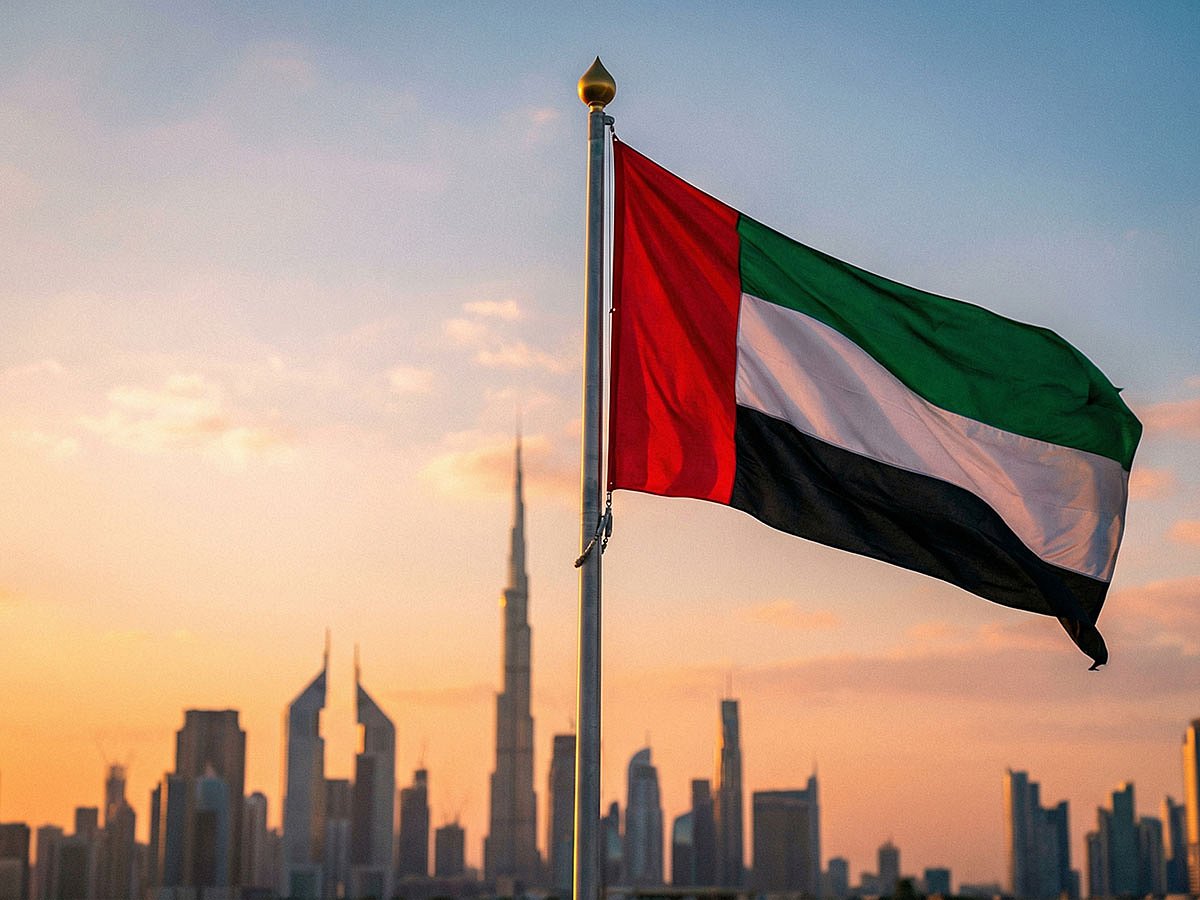
The UAE continues to offer its inhabitants confidence and reassurance even as global events emerge
Dubai: Even as geopolitical tensions and global crises create uncertainty in many parts of the world, the UAE continues to provide a secure and safe environment for residents and visitors.
Gulf News has spoken to mental health specialists and they have noted that the country’s strong institutions, reliable public services, and focus on community well-being help maintain a sense of normalcy for people living in the Emirates.
Stay updated: Get the latest faster by downloading the Gulf News app now - it's completely free. Click here for Apple or here for Android. You can also find it on the Huawei AppGallery.
Dr. Ajay Kumar, specialist psychiatrist at Prime Medical Centre, has highlighted that the UAE has well-established systems that prioritise safety and preparedness.
“The country has established strong systems for public safety, healthcare services, and emergency preparedness, which contribute to a sense of reassurance during times of international uncertainty,” Kumar told Gulf News.
“The UAE’s commitment to stability, safety, and public health underscores its role as a secure environment even amid global challenges.”
Authorities in the country have also emphasised proactive safety measures and transparent communication, which strengthens public trust and reassurance.
How to manage stress
According to Kumar, global developments can affect people’s emotional well-being, especially now that news and social media updates can be easily accessed.
“One of the most effective ways to cope with crisis-related stress is to manage information intake. Constant exposure to news updates and social media speculation can intensify anxiety,” explained Kumar.
“Experts recommend limiting news consumption to trusted sources and setting specific times during the day to check updates rather than monitoring developments continuously.”
Moreover, Kumar has mentioned that maintaining a “daily routine” can help maintain emotional stability.
“Regular sleep schedules, balanced nutrition, physical activity, and time for relaxation help regulate stress levels and improve overall mental health. Even simple activities such as walking, reading, or mindfulness exercises can provide a sense of control and calm during uncertain situations.”
Additionally, Kumar has stressed the importance of staying connected with family members, friends, or colleagues to lessen emotional strain and gain reassurance.
“Community support and open communication are powerful tools for coping with uncertainty.”
How to make children feel safe
Children often process crises differently from adults and may look to parents and guardians for cues on how to respond.
Dr. Waleed Alomar, specialist psychiatry at Medcare Royal Speciality Hospital, told Gulf News that maintaining predictable routines can help children feel secure even when global events appear worrying.
“Calm communication and consistent rules can help create a sense of stability. Simple daily rituals such as regular bedtime routines, quiet winding-down periods, or brief daily check-ins can reassure children that their environment remains safe,” stated Alomar.
When discussing difficult events, parents should keep explanations calm and age-appropriate, avoiding unnecessary details that may cause fear.
“When children feel listened to and supported with warmth and empathy, they are more likely to remain emotionally grounded even when external circumstances feel uncertain.”
Alomar has also pointed out that stress in children may sometimes appear through behavioural changes rather than words.
Signs may include irritability, clinginess, sleep disturbances, nightmares, withdrawal from usual activities, or sudden changes in appetite. Some children may complain of headaches or stomach aches when feeling anxious.
“Observing patterns over time, rather than reacting to isolated behaviours, helps determine whether additional reassurance or support may be needed. Open, calm conversations and attentive listening can help children feel understood and reduce feelings of distress.”
Meanwhile, the UAE’s structured and supportive environment has played a crucial role in supporting children’s well-being.
“In the UAE, families benefit from a stable and well-structured environment where daily life, schooling, and community routines continue as normal. Parents can reinforce this sense of security by maintaining consistent household routines, communicating calmly, and offering reassurance when children raise questions about external events.”
Dr. Waleed Alomar, specialist psychiatry at Medcare Royal Speciality Hospital
UAE’s resilience
Experts have underscored that resilience during times of crisis comes from a combination of personal coping strategies, supportive communities, and trust in institutions that prioritise safety.
Asra Sarwar, clinical psychologist at Aster Clinic in Discovery Gardens, Jumeirah Lake Towers, and Bur Dubai, has shared that the UAE's calm surroundings help reduce the "sense of constant threat."
Asra Sarwar, clinical psychologist at Aster Clinic in Jumeirah Lake Towers, Discovery Gardens, and Bur Dubai
"It is important to differentiate between regional developments and one’s immediate environment. Within the UAE, systems around public safety, infrastructure, and healthcare continue to function in a structured and coordinated manner," said Sarwar.
"From a psychological perspective, people cope better when they orient themselves to what is directly around them. A balanced approach is key: stay informed, follow guidance, but also allow space for normal life to continue."
With its strong systems and stable environment, the UAE continues to offer its inhabitants confidence and reassurance even as global events emerge.
Network Links
GN StoreAbout Gulf NewsTerms & ConditionsReach by GNSitemapContact usPrivacy PolicyGN FocusHave your sayWork with usAdvertise with usGulf News epaperPrinting Services
Download our app
© Al Nisr Publishing LLC 2026. All rights reserved.