Watch: Rain hits eastern Al Ain, police urge caution on roads
Unstable weather brings rain to UAE; drivers advised to stay alert
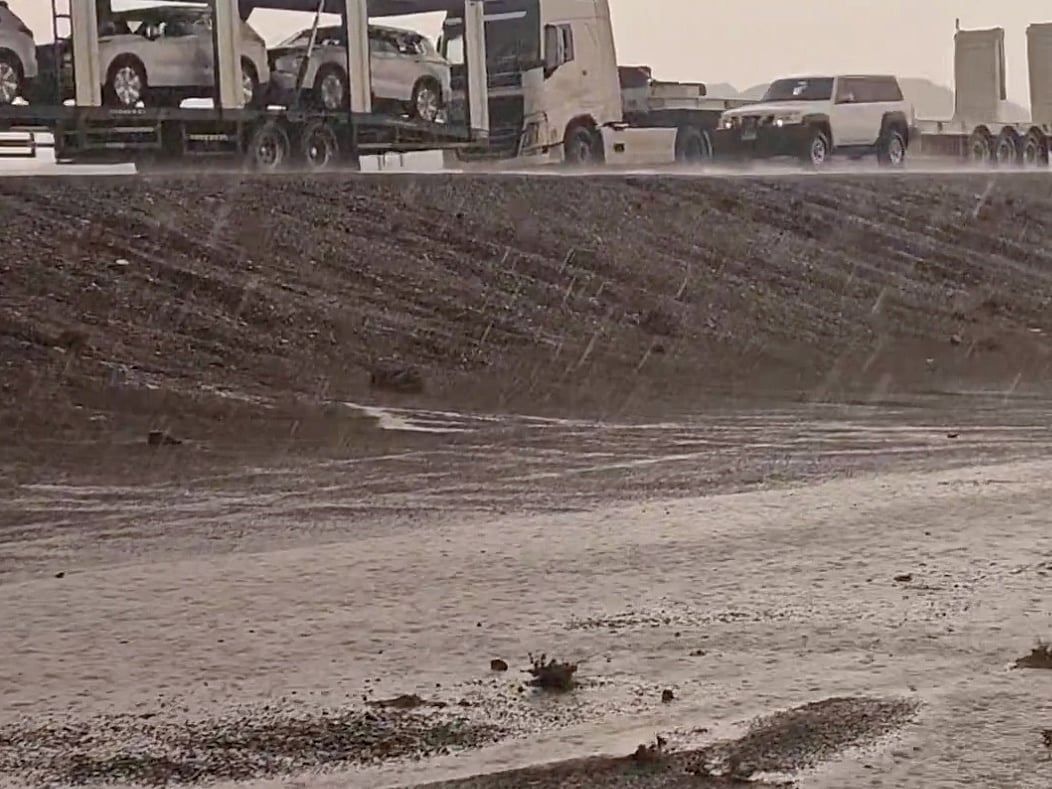
Al Ain: Rain fell in parts of eastern Al Ain on Saturday, October 17, as unstable weather affected the UAE, prompting Abu Dhabi Police to urge motorists to exercise caution and comply with changing speed limits displayed on electronic road signs.
Showers were reported in Khatm Al Shiklah, east of Al Ain, where rain-bearing clouds developed during the afternoon.
Get updated faster and for FREE: Download the Gulf News app now - simply click here.
The rainfall came on a day when temperatures remained high across the country, with the National Centre of Meteorology (NCM) reporting a maximum of 41.6°C in Sweihan, Al Ain, at 2.30pm UAE time.
NCM has urged motorists to exercise caution during rainfall, advising them to drive only when necessary and take extra care around other road users.
Drivers should also ensure their headlights are switched on in conditions of reduced visibility.
The centre called on the public to follow official weather updates, comply with instructions issued by the relevant authorities and avoid circulating rumours or unverified information.
Abu Dhabi Police advised motorists to drive carefully in rainy conditions and observe temporary speed limits displayed on electronic information boards.
The warning comes amid unsettled weather conditions that can bring sudden showers and changing road conditions to parts of the country.
Why some parts of the UAE are more prone to rain
Weather conditions during the Al Wasm season, a traditional period associated with seasonal changes and rainfall in the Arabian Peninsula, can vary considerably across the UAE.
Coastal areas in the northern Emirates may experience rain-bearing clouds developing over the sea, influenced by differences in temperature between land and water, atmospheric moisture and cooling in the upper layers of the atmosphere.
Depending on prevailing winds, these clouds can move inland and produce showers.
In central and inland areas, daytime heating plays an important role in cloud development. As the ground warms, rising air can encourage the formation of clouds and rainfall when sufficient moisture and atmospheric instability are present.
Mountains can further support cloud formation by forcing moist air upwards, where it cools and may condense.
Eastern mountains and coastal areas
Northern Musandam, the UAE's eastern coastline and coastal areas of Oman can also experience rainfall when moisture-laden easterly winds encounter mountainous terrain.
Under favourable atmospheric conditions, this can help produce rain-bearing clouds.
However, rainfall depends on several interacting factors, including wind direction, humidity, surface temperatures and conditions in the upper atmosphere.
As a result, the areas receiving rain, the intensity of showers and the timing of cloud development can differ from one weather system to another and from year to year.
Police urge caution on wet roads
Abu Dhabi Police called on motorists to exercise caution during rainy weather and comply with variable speed limits shown on electronic road signs.
Drivers were advised to follow the instructions displayed on information boards as road conditions change.
The emirate uses variable speed limits during adverse weather to improve road safety, including periods of rain, fog and reduced visibility.
Motorists should reduce speed when necessary, maintain a safe distance from other vehicles and remain alert to sudden changes in road conditions.
Network Links
GN StoreDownload our app
© Al Nisr Publishing LLC 2026. All rights reserved.