Sunday will be the longest day of the year in the UAE
Summer solstice brings nearly 14 hours of daylight across the country
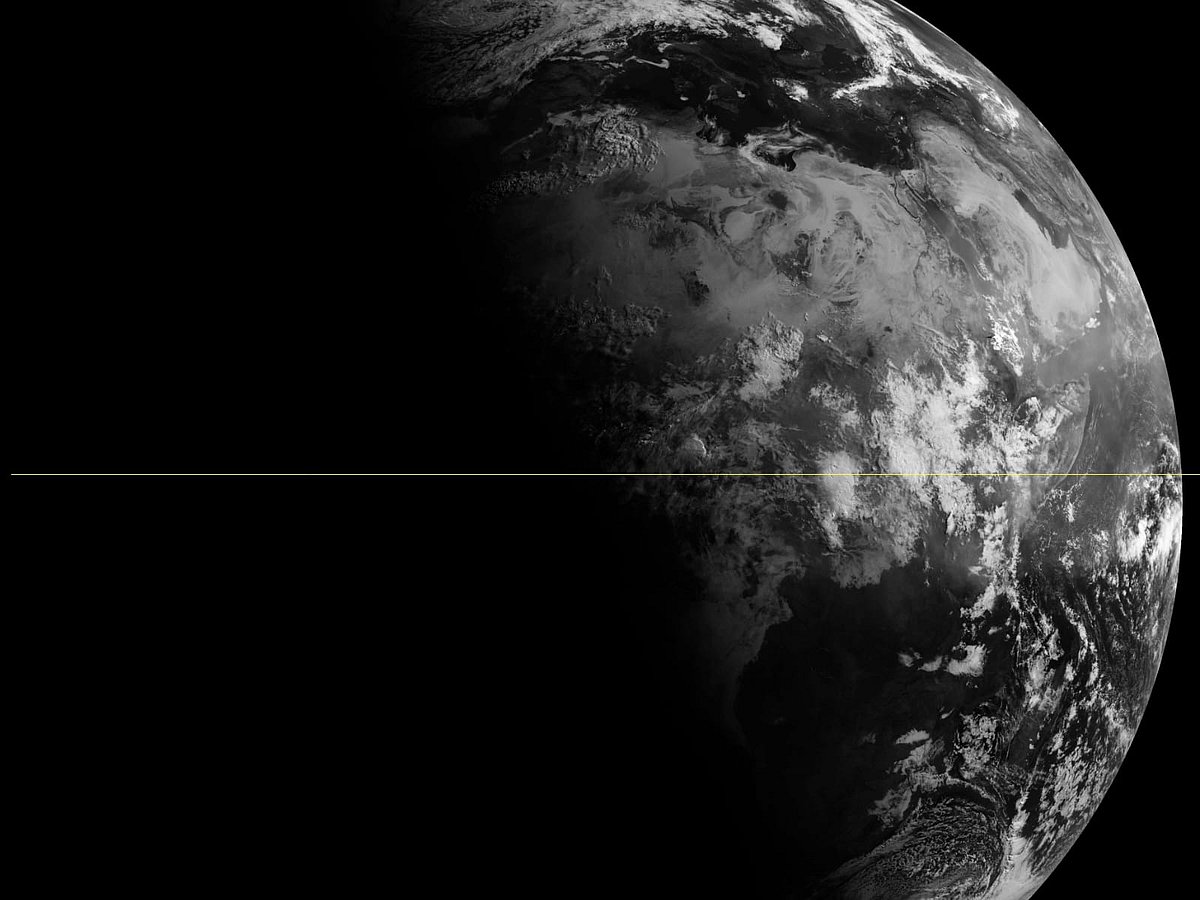
Dubai: The UAE is set to experience its longest day of the year on Sunday as the summer solstice marks the official start of astronomical summer in the Northern Hemisphere, bringing nearly 14 hours of daylight and signalling the approach of the region's hottest period.
The summer solstice will occur on 21 June at 08:25 GMT (12:25pm UAE time), when the Sun reaches its northernmost point relative to Earth and stands directly above the Tropic of Cancer. The event produces the longest day and shortest night of the year across the Northern Hemisphere.
Get updated faster and for FREE: Download the Gulf News app now - simply click here.
According to Ibrahim Al Jarwan, Chairman of the Emirates Astronomical Society and a member of the Arab Union for Astronomy and Space Sciences, daylight hours in the UAE will reach approximately 13 hours and 50 minutes between 18 and 24 June, making it the brightest period of the year before daylight hours begin gradually decreasing towards the autumnal equinox in September.
The solstice marks a significant turning point in Earth's annual journey around the Sun. As the planet's axis tilts by around 23.5 degrees, the Northern Hemisphere receives its greatest exposure to sunlight, while the Southern Hemisphere experiences its shortest day and the beginning of astronomical winter.
Al Jarwan said the Sun will be directly overhead at the Tropic of Cancer during the solstice, resulting in virtually no shadow at noon in areas along the line of direct solar alignment. Across the Arabian Peninsula, midday shadows will shrink to their shortest extent of the year.
Despite bringing the longest day, the solstice does not mark the hottest period of the summer. Temperatures typically continue to rise in the weeks that follow as land and sea surfaces absorb and retain heat accumulated during the season.
Speaking about traditional Arab observations of seasonal change, Al Jarwan cited the saying, "There is no true heat until after the turning", referring to the period after the Sun begins its apparent southward movement and daylight hours gradually shorten. Historically, the most intense heat in the Gulf region occurs during July and the first part of August.
During the first half of summer, from 21 June to around 10 August, average daytime temperatures in the UAE are expected to range between 41°C and 43°C, while overnight temperatures are forecast to remain between 27°C and 31°C.
The period is typically accompanied by the seasonal northerly and north-westerly winds known locally as the "Barah" winds, which can trigger blowing dust and shifting sand dunes.
Heatwaves may also develop, pushing temperatures at least three degrees above seasonal averages for several consecutive days. In some areas, daytime temperatures can exceed 50°C during prolonged hot spells.
Hot and dry desert winds, known as "Samoom", may occasionally affect parts of the country, intensifying already extreme conditions.
The second half of summer, from around 11 August until the autumnal equinox on 23 September, is expected to bring rising humidity levels while temperatures remain high. Moist south-easterly winds, locally known as "Kous" winds, typically become more active during this period.
The increased moisture can contribute to the development of convective clouds over the Hajar mountain range and surrounding areas, occasionally producing localised thunderstorms and rainfall events that are a familiar feature of late summer weather in eastern parts of the country.
The date of the summer solstice can vary slightly from year to year, occurring on 20, 21 or 22 June depending on the calendar cycle and leap-year adjustments. The phenomenon itself is caused by Earth's axial tilt rather than any change in the distance between Earth and the Sun.
While astronomical summer begins on 21 June, meteorologists use a different definition based on temperature records, with meteorological summer in the Northern Hemisphere running annually from 1 June to 31 August.
Network Links
GN StoreDownload our app
© Al Nisr Publishing LLC 2026. All rights reserved.