US-Iran standoff: What UAE residents need to know today (Oct. 8, 2026)
Saudi-Houthi escalation, tanker attack, uncertainty over Hormuz keep the region on edge
The US-Iran war entered another tense phase on Thursday as fighting spread across the Gulf and Arabian Peninsula, with Saudi Arabia striking Houthi targets in Yemen, the Iran-backed group claiming a missile attack on Riyadh airport, and a tanker reporting multiple projectile strikes off Qatar.
At the same time, Iran and Oman agreed on designated safe transit routes through the Strait of Hormuz — a potentially important step for shipping, but not a guarantee that the strategic waterway is fully open.
US Central Command rejected Iran's claim that Hormuz is closed, saying commercial and energy traffic continues through the strait.
For UAE residents, the immediate effects remain concentrated on air travel, fuel costs, shipping and regional security, rather than daily life inside the UAE.
Saudi Arabia strikes 82 Houthi targets
The Saudi-led coalition said it destroyed 82 Houthi military targets in four Yemeni provinces following attacks on airports in Riyadh and Abha.
The strikes targeted missile storage facilities, command centres, communications sites, weapons depots and other military positions in Saada, Hodeidah, Al-Jawf and Marib. Saudi authorities said the airport attacks killed three people and injured 36.
The escalation marks a significant widening of the regional conflict, with Saudi civilian aviation infrastructure has now been directly targeted.
The Houthis said Thursday that they fired a ballistic missile at King Khalid International Airport in Riyadh, claiming it struck its target and disrupted airport operations.
The claim could not immediately be independently verified.
It comes after earlier attacks on Riyadh and Abha airports and raises fresh concerns for aviation across Saudi Arabia and neighbouring Gulf states.
For UAE travellers, the immediate implication is not that UAE airports are closing, but that airlines may continue to reroute aircraft, adjust schedules or suspend selected regional services if the security situation deteriorates.
A tanker sailing about 51 nautical miles (94km) off Qatar's northern coast reported being struck by multiple projectiles, according to the UK Maritime Trade Operations agency. Casualties were reported, although details remained limited.
The incident adds to a growing series of attacks and attempted attacks on commercial shipping around the Strait of Hormuz. That is important for the UAE because the country's ports, energy exports and import supply chains are closely linked to Gulf shipping.
Iranian Foreign Ministry spokesman Esmaeil Baghaei said Iran and Oman have agreed on the geographical coordinates of designated safe routes for ships entering and leaving the Strait of Hormuz.
They also agreed on how the coordinates would be communicated to the relevant international maritime authority.
The development is significant because Oman borders the Strait of Hormuz and has played a key diplomatic role throughout the conflict.
But residents should not interpret the announcement as meaning that Hormuz is now completely open. Iran has continued to impose conditions on navigation, while military and maritime-security risks remain high.
The US Central Command said commercial and energy traffic is continuing through the waterway, including an estimated 20 million barrels of crude oil, and rejecting Tehran's claim that the Strait of Hormuz is closed.
The competing claims highlight the central problem facing global energy markets: oil is still moving, but shipping remains much more expensive and risky than before the war.
War-risk insurance, freight rates and longer alternative routes are keeping a significant geopolitical premium in crude prices.
As of about 10:03am Gulf time on Thursday (Oct. 8), Brent was at $102.84, up 2.63% ($2.38) while WTI crude climbed 2.38% to 90.38 (up $2.10), as per OilPrice.com. Murban crude was also inched 0.47% higher to $106.69 (up $0.50). The market is being pulled in two directions. On one side, Gulf producers have managed to restore substantial oil exports. On the other, tanker attacks, insurance costs and shipping bottlenecks around Hormuz continue to keep prices elevated. Gulf crude and condensate exports excluding Iran reached about 16.5 million barrels per day in September, close to pre-war levels, according to Kpler data.
UAE motorists are already feeling the oil shock. October fuel prices rose for the third month in a row. The increases from September were between 11.6% and 16.6%.
The UAE's monthly fuel-pricing system means today's oil prices will not automatically translate into an immediate pump-price change. What matters is the average international oil and refined-product market during the month.
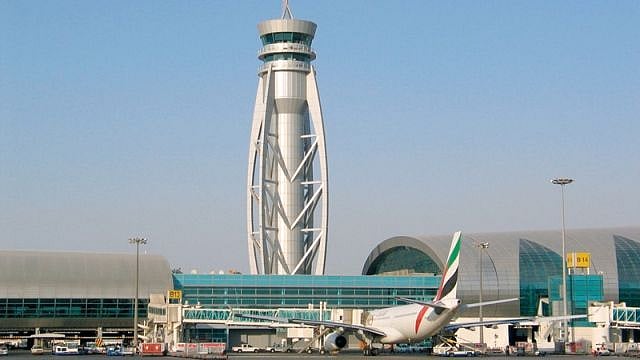
Dubai International Airport (DXB), Abu Dhabi's Zayed International Airport (AUH) and other UAE airports remain operational. However, regional aviation remains vulnerable to sudden schedule changes.
Emirates, Etihad, flydubai and Air Arabia continue operating much of their networks, but selected flights have been cancelled or delayed.
Recent disruptions have included flights involving Saudi Arabia, Lebanon, Iraq, Bahrain and Kuwait, while services to some conflict-affected destinations remain suspended.
Philippine Airlines' Dubai-Manila services have resumed, with bookings available from October 5. Several foreign airlines continue to restrict UAE services.
Air France has suspended Dubai and Riyadh services through October 24; Cathay Pacific has cancelled Dubai and Riyadh passenger flights through January 31, 2027; and Singapore Airlines' Dubai services remain affected.
Passengers should check their airline's app or website immediately before leaving for the airport, even when a booking is confirmed.
US President Donald Trump said the Iran war could end quickly but warned Tehran that Washington could choose a harsher path. He said the US had severely weakened Iran's military and repeatedly claimed that Washington was controlling maritime traffic through Hormuz.
Trump has also said Iran will not be allowed to obtain a nuclear weapon. The core dispute remains Iran's nuclear programme and uranium enrichment, alongside the future of Hormuz.
Washington wants binding guarantees that Iran cannot develop a nuclear weapon or retain the capability to rapidly produce one. Tehran has resisted demands to give up enrichment.
Trump also backed moves by Saudi Arabia, Turkey and Pakistan to activate collective-defence arrangements under the Mecca Defence Alliance. The move comes after the Houthi attacks on Saudi territory and could mark a significant strengthening of the regional security architecture.
For most residents, life inside the UAE remains normal. There are no reports of a general shutdown of UAE airports, businesses, schools or essential services.
The UAE is not experiencing a domestic shutdown, but the country's position at the heart of Gulf aviation, energy and shipping means residents remain exposed to the conflict's economic and logistical effects.
The conflict is increasingly affecting the UAE indirectly:
Travel: Expect possible delays, cancellations and longer flight times.
Fuel: October prices are already significantly higher, with Special 95 at Dh4.28 and Super 98 at Dh4.40 a litre.
Retail: Higher fuel, freight and insurance costs can eventually feed into the delivered cost of imported goods, although this does not mean an immediate across-the-board increase in supermarket prices.
Shipping: Hormuz remains the biggest regional risk. Even when ships can pass, higher insurance and security costs make transportation more expensive.
Oil: Brent remains around $100 a barrel, keeping pressure on transport and energy costs.
Aviation: UAE airports remain open, but regional airspace restrictions mean schedules can change rapidly.
What residents should do
Check your flight directly with your airline before leaving home.
Allow extra time at the airport.
Expect longer flight routes and possible last-minute changes.
Do not rely on unverified social-media claims about airport closures or missile attacks.
Monitor UAE government, airline and airport advisories.
Budget for higher fuel and potentially higher transport-related costs.
The biggest variables to watch on Thursday are whether Houthi attacks on Saudi Arabia continue, whether commercial shipping through Hormuz expands or contracts, whether another tanker is attacked, and whether Washington and Tehran move closer to — or further away from — a settlement.
For UAE residents, the immediate message is simple: airports are open, fuel is expensive, oil remains above $100, and the regional security picture can change quickly.
Sign up for the Daily Briefing
Get the latest news and updates straight to your inbox
Network Links
GN StoreDownload our app
© Al Nisr Publishing LLC 2026. All rights reserved.