UAE residents' update: ADNOC vessel attacks, Saudi-Turkey-Pakistan pact and flight schedules
Regional defence pacts and Houthi attacks deepen Gulf security and market jitters
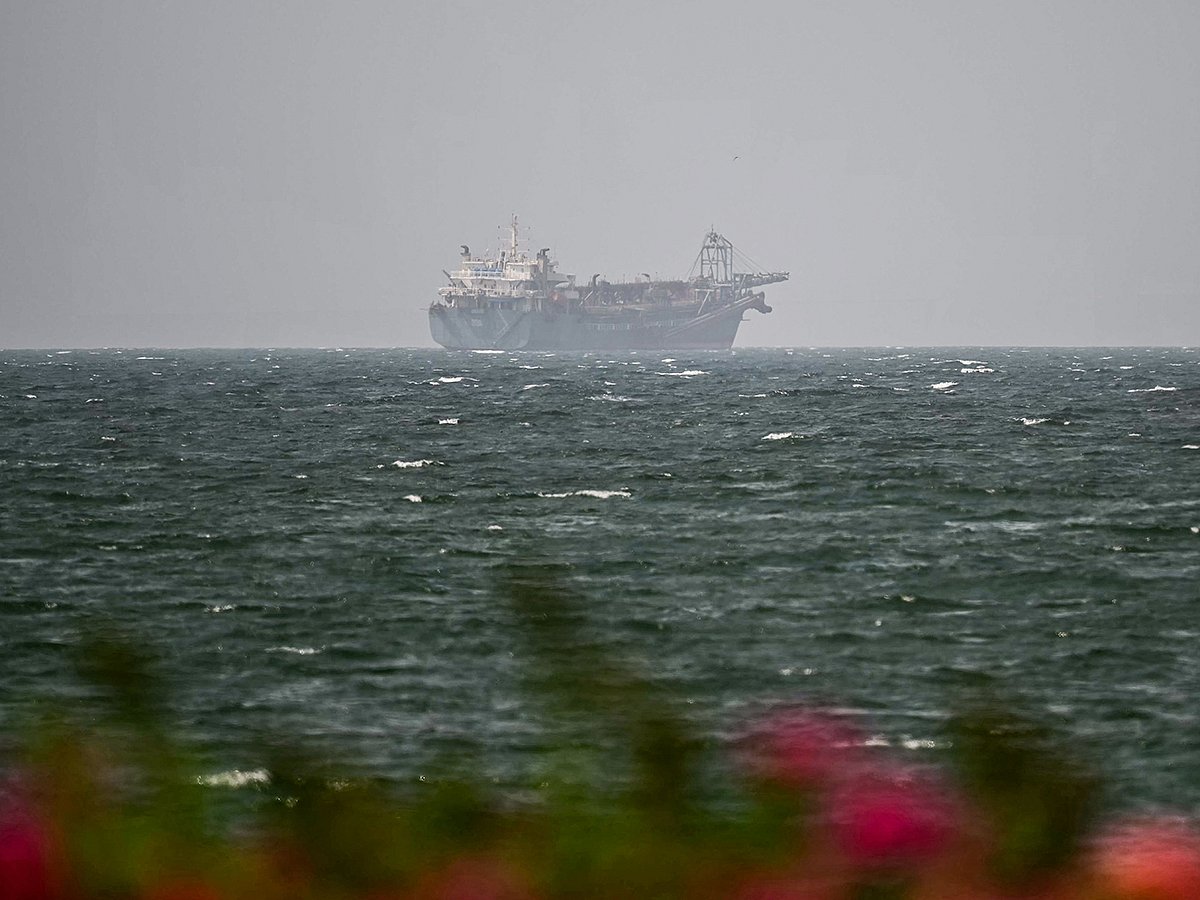
The US-Iran conflict continues to drive regional uncertainty on Friday, with the Strait of Hormuz remaining at the centre of security, shipping and diplomatic developments.
UAE residents and businesses are closely monitoring updates that could affect air travel, fuel markets, trade routes and regional stability.
Get updated faster and for FREE: Download the Gulf News app now - simply click here.
Here are the key developments UAE residents need to know on August 7:
ADNOC vessel attacks: Abu Dhabi National Oil Company (ADNOC) said 15 of its vessels have been targeted by missiles and drones since the start of the conflict while transiting the Strait of Hormuz. Three vessels were attacked this week alone, leaving one crew member killed and 20 injured.
Saudi-Turkey-Pakistan defence pact: Saudi Arabia, Turkey and Pakistan signed the Mecca Joint Defence Agreement, stating that an armed attack against one would be considered an attack against all three.
Turkey clarifies pact: Ankara said the agreement is not aimed at any particular country and is intended to strengthen collective security and regional stability.
Houthi attack on Saudi Arabia: Eleven civilians were injured in a Houthi attack in Saudi Arabia’s Najran region, including Saudi, Egyptian, Yemeni and Pakistani nationals.
UAE condemns attack: The UAE strongly condemned the Houthi attack, calling it a violation of Saudi Arabia’s sovereignty and reaffirming support for the Kingdom’s security.
Iran-Oman Strait of Hormuz shipping framework: Iran and Oman are close to finalising a proposed framework for commercial shipping through the Strait of Hormuz, a key global energy route. Tehran said the agreement would not automatically reopen the waterway and denied direct negotiations with the US.
Strait of Hormuz tensions: The strategic waterway remains a major flashpoint, with Iran imposing restrictions on vessel movements and using control of the route as leverage amid wider negotiations.
UAE flight update: cancellations and delays continue
Air travel from the UAE remains largely stable, with most flights operating as scheduled. However, some routes to Bahrain, Kuwait and Doha continue to face cancellations and delays due to operational requirements and regional airspace restrictions.
Affected UAE routes
Etihad Airways
Cancelled: Abu Dhabi–Kuwait (EY653), Kuwait–Abu Dhabi (EY654)
Bahrain services remain affected
Emirates
Dubai–Bahrain services unavailable
Dubai–Kuwait services unavailable
flydubai
Cancelled: Dubai–Bahrain (FZ027/EK2020)
Delayed: Dubai–Salalah (FZ039)
Air Arabia
Cancelled flights include:
Sharjah–Kuwait
Sharjah–Bahrain
Sharjah–Doha
Abu Dhabi–Kuwait
International airline suspensions
Several international airlines continue to suspend or reduce Gulf services:
British Airways: Dubai, Bahrain, Amman and Tel Aviv flights suspended until October 31.
Singapore Airlines, Air Canada, Cathay Pacific, Finnair and ITA Airways: Dubai services suspended until October 24.
Lufthansa and Swiss: Dubai services suspended until September 13.
Aegean Airlines and Air Astana: Dubai suspensions until August 31.
KLM: Dubai services suspended until August 23.
Philippine Airlines: Dubai services suspended until October 2.
Turkish Airlines: Dubai and Abu Dhabi flights resumed; Iran routes remain suspended.
What UAE travellers should do
Passengers flying from UAE airports should:
Check flight status before leaving for the airport.
Monitor airline apps and official websites for updates.
Ensure airlines have updated contact details.
Allow extra time for possible delays and longer routes.
Follow official travel advisories before travelling.
What to watch next
Regional attention remains focused on the Strait of Hormuz, with Iran and Oman continuing discussions on shipping arrangements while diplomatic efforts continue.
Marine traffic data showed some commercial vessels continuing to pass through the waterway, while Iran’s parliament reviews a draft bill that could regulate shipping through the Strait.
Meanwhile, US-mediated technical talks between Israel and Lebanon in Rome concluded with officials describing the discussions as productive, as regional tensions continue.
Network Links
GN StoreDownload our app
© Al Nisr Publishing LLC 2026. All rights reserved.