US-Iran conflict: What UAE residents need to know today - July 25
Latest US-Iran updates, UAE flight status and travel advisories for residents
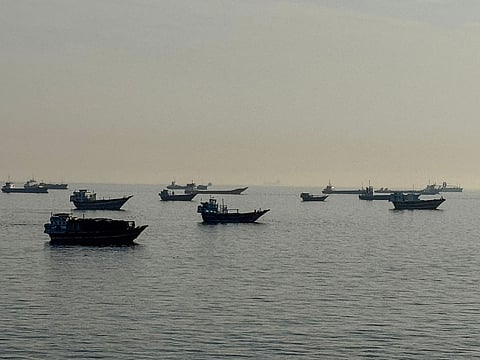
UAE residents are being advised to stay alert and follow official updates as the US-Iran conflict continues to drive regional security concerns, affecting travel, airline operations and shipping activity across the Gulf.
While UAE airports remain operational, some regional flights are facing cancellations and schedule changes, with airlines urging passengers to check flight status, stay in contact with carriers and allow extra time at airports.
Get updated faster and for FREE: Download the Gulf News app now - simply click here.
US-Iran conflict: Latest developments
Trump says Iran talks continue as US weighs next steps
US President Donald Trump said Washington and Tehran remain engaged in talks, claiming Iran is becoming “more serious” about negotiations while keeping the option of further military action open. Trump said the US had “hit Iran very hard” but added that he remained willing to consider a diplomatic solution.
Netanyahu to meet Trump in Washington
Israeli Prime Minister Benjamin Netanyahu is set to visit Washington next week for talks with Trump as the US and Israel assess the next steps in the conflict.
Saudi Arabia reports “potential danger” in Yanbu and Jazan
Saudi Arabia’s Civil Defense issued alerts over a “potential danger” in Yanbu and Jazan before later announcing that the danger had passed. Authorities did not provide details about the reported threat but advised residents to continue following official instructions.
Saudi coalition targets Houthi sites in Yemen
The Saudi-led coalition said it carried out strikes on Houthi military targets in Yemen’s Hodeidah following attacks on Saudi-linked vessels in the Red Sea. The coalition said the Port of Hodeidah was not targeted.
US military disables vessel near Iranian ports
The US military said it disabled a merchant vessel after it allegedly attempted to breach a blockade on Iranian ports. Authorities said several vessels have been redirected since the blockade was imposed.
Regional tensions continue
The US bombing campaign against Iran has continued for 13 consecutive nights after a ceasefire agreement collapsed earlier this month.
Bahrain, Kuwait and Jordan reported intercepting Iranian attacks.
US embassies across the Middle East issued travel warnings, cautioning that options to leave the region could become more limited.
UN Secretary-General António Guterres called for de-escalation following attacks on commercial vessels linked to the Houthi group.
Oil prices have fallen below $100 a barrel after rising earlier this week amid concerns over supply disruptions. Houthi attacks on Saudi-linked vessels in the Red Sea and restrictions around the Strait of Hormuz continue to affect global shipping concerns.
Diplomatic developments and casualty concerns
Trump said Chinese President Xi Jinping and Russian President Vladimir Putin had assured him they would not provide weapons to Iran, while acknowledging there could be other forms of support.
The Pentagon is facing questions over its reporting of US military casualties after figures were reduced due to what officials described as a “data disruption”. US lawmakers have called for greater transparency over casualty figures.
UAE flight status: Latest airline updates today
UAE airlines have reported cancellations and schedule changes on some regional routes.
Emirates has extended cancellations affecting flights between Dubai and Kuwait, Bahrain and Amman, while Etihad Airways has cancelled services between Abu Dhabi and Bahrain, as well as flights EY653 and EY654 between Abu Dhabi and Kuwait.
flydubai has reported changes on Dubai–Bahrain services, including a cancelled flight, while Air Arabia has cancelled several UAE–Kuwait and UAE–Bahrain services from Abu Dhabi and Sharjah.
Passengers should check flight status directly with airlines, update contact details for notifications and arrive at airports at least three hours before departure to allow extra time for check-in, security and immigration.
Flight status alert: Always check official airline websites for real-time updates, as flight schedules and conditions can change rapidly.
Travel advisories remain in place
Several countries continue to warn travellers about possible disruptions linked to regional tensions:
US: Travellers have been advised to prepare for possible flight cancellations, airspace closures and travel disruptions.
UK: Travellers have been urged to monitor developments and review plans as the security situation remains unpredictable.
Canada: Authorities continue to advise against non-essential travel to the UAE due to possible disruptions.
Australia: Citizens have been advised to consider leaving while commercial flights remain available, if it is safe to do so.
EASA: The aviation regulator has extended its Gulf conflict-zone advisory, urging airlines to exercise caution due to risks from missile and drone activity.
What UAE residents should watch out for today
Residents should continue monitoring official announcements as the regional situation remains fluid.
Key developments to watch
New flight cancellations, delays or route changes affecting UAE travellers.
Possible airspace restrictions or changes impacting regional travel.
Updates from airlines, airports and UAE authorities through official channels.
Changes to international travel advisories and security guidance.
Developments around the Strait of Hormuz and Red Sea shipping routes.
Passengers and residents should rely on official sources for the latest updates and avoid unverified information. Travellers should check their flight status before leaving home, keep travel documents ready and follow guidance from airlines, airports and authorities for the latest safety and travel information.


