UAE Eid prayers expected between 5:39am and 5:50am on Wednesday
UAE residents prepare for Eid prayers, gatherings and holiday festivities
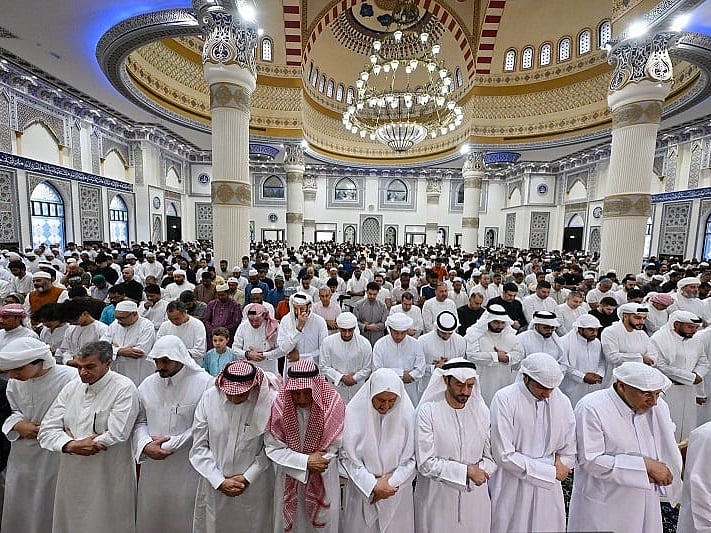
Abu Dhabi: Eid Al Adha is expected to begin in the UAE in two days, with millions across the country preparing for prayers, family gatherings and festive celebrations marking one of the most important occasions in the Islamic calendar.
According to astronomical calculations, the Hajj season for 2026 began on Sunday, May 24, while Arafat Day is expected to fall on Tuesday, May 26. The first day of Eid Al Adha is expected to begin on Wednesday, May 27.
Get updated faster and for FREE: Download the Gulf News app now - simply click here.
Eid prayers are traditionally held around 15 to 20 minutes after sunrise on the first morning of Eid, in line with Islamic practice.
Based on preliminary calculations, Eid prayer timings are expected to range between 5:39am and 5:50am across the UAE, with Abu Dhabi expected at 5:50am, Dubai and Al Ain at 5:45am, Sharjah and Umm Al Quwain at 5:43am, Fujairah at 5:41am, Ras Al Khaimah at 5:40am and Ajman at 5:39am.
Hundreds of mosques and open-air prayer grounds across the country are preparing to receive worshippers during Eid, with major prayer locations designated across residential districts and central mosques to accommodate large crowds.
Among the key Eid prayer locations in Abu Dhabi are Musalla Al Mushrif, Bani Yas Musalla, Mohammed bin Zayed City Musalla and the Sheikh Zayed Grand Mosque.
In Dubai, major prayer grounds include Nad Al Hamar Musalla, Al Warqa Musalla, Jumeirah Musalla and Sheikh Rashid bin Saeed Mosque in Zabeel.
Sharjah is also expected to host Eid prayers at prominent locations including Al Badee Musalla, Al Gharb district Musalla and Al Khan Musalla, in addition to prayer sites on Abu Musa Island.
Muslims traditionally observe several Sunnah practices during Eid Al Adha, including bathing and wearing their best clothes before prayers, reciting takbeer on the way to prayer grounds and delaying eating until after Eid prayers and sacrificial rituals.
Takbeer recitations, one of the most prominent spiritual traditions associated with Eid Al Adha, continue throughout the first 10 days of Dhul Hijjah and intensify from Arafat Day until the final days of Tashreeq following Eid.
Authorities across the UAE have meanwhile intensified preparations for the holiday period, including expanded services at mosques, parks, markets and public facilities, ahead of the expected influx of worshippers and holiday visitors.
Network Links
GN StoreDownload our app
© Al Nisr Publishing LLC 2026. All rights reserved.