Bader Al Siri, executive director of the safety, risk, regulation and planning department at RTA
How Dubai’s RTA is tackling unstable weather: Smarter planning, faster response, safer roads
From flood-prone mapping to real-time alerts, RTA steps up efforts during heavy rains
Last updated:
3 MIN READ
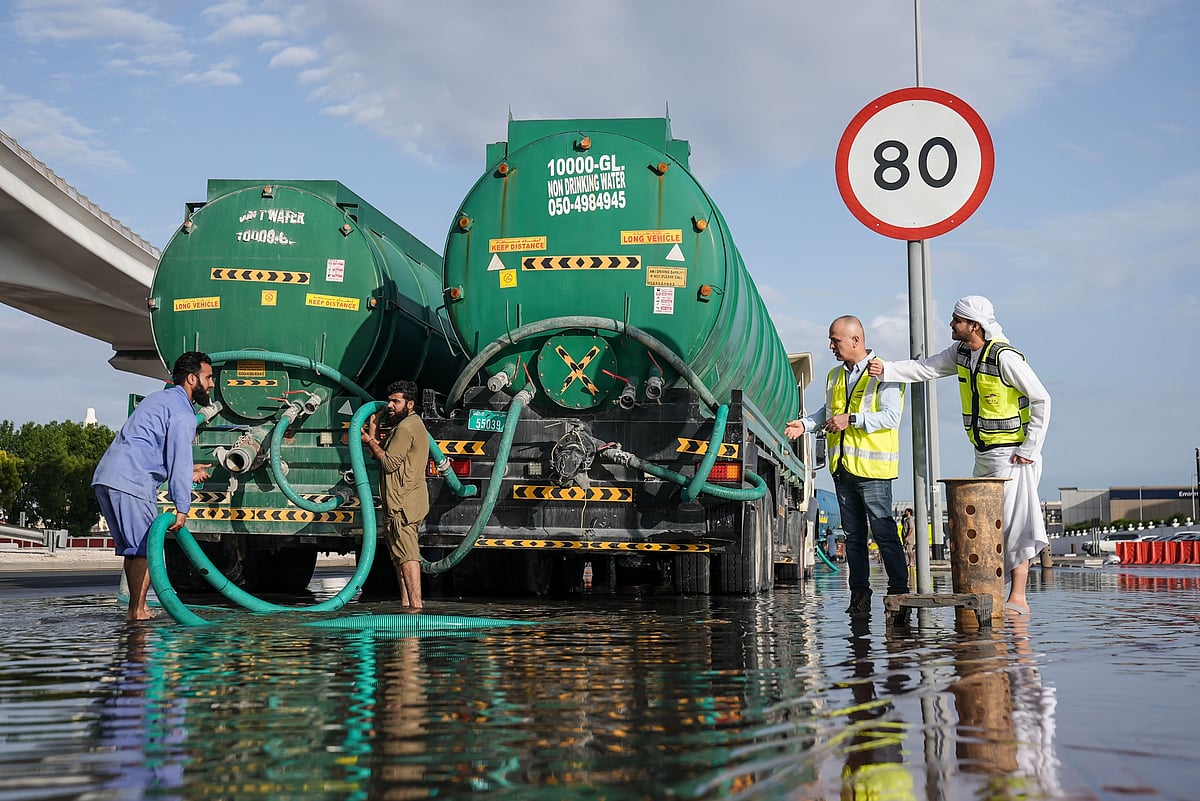
RTA highlights the importance of stronger coordination during adverse weather
Supplied
Dubai: As unstable weather continue to impact the UAE this week, Dubai’s Roads and Transport Authority (RTA) has rolled out an upgraded strategy this year to better manage heavy rains and reduce disruption across the emirate’s road network.
Building on lessons from previous seasons, the RTA has adopted a more coordinated and forward-looking approach under the “Joint Weather Conditions Command Room” initiative.
In an exclusive interview with Gulf News, Bader Al Siri, executive director of the safety, risk, regulation and planning department at RTA, has noted that through this plan, they have strengthened the authority’s weather response.
“We identified key flood-prone areas, analysed previous rainfall impacts, and developed targeted pumping and tanker strategies for each hotspot,” Al Siri told Gulf News.
He has highlighted that the scale of preparedness has significantly increased.
“Dubai has been divided into zones, each managed by a dedicated team with over 500 tankers, 380 pumping units, 100 emergency vehicles, 1,300 technical staff, and other specialised equipment.”
Close coordination has also been reinforced with key partners such as Dubai Municipality, Dubai Police, Dubai Civil Defence, Dubai Electricity and Water Authority, Dubai Land Department, Mohammed Bin Rashid Housing Establishment, and developers, ensuring a unified response during adverse weather.
Stay updated: Get the latest faster by downloading the Gulf News app now - it's completely free. Click here for Apple or here for Android. You can also find it on the Huawei AppGallery.
How RTA prioritises roads
While all roads remain a priority, the RTA focuses first on critical locations during heavy rainfall.
These include places experiencing severe flooding, roads where water buildup causes major traffic delays, and areas that pose safety risks to motorists and pedestrians.
“With our large team and resources, we work on multiple sites at the same time to restore safe and smooth traffic as quickly as possible,” said Al Siri.
Smart systems
On the other hand, technology has also played a big role in RTA’s response. Through this, real-time monitoring has been enabled and resources have been deployed faster.
“Smart systems now allow faster response, reduced traffic disruptions, and improved road safety, supported by instant alerts and real-time communication to drivers during adverse weather,” shared Al Siri.
Lessons shaping today’s response
Moreover, previous weather events have played an important part in forming RTA’s current response strategy. Notably, the most recent experience has been the historic rainfall that swept the country last April 2024.
According to Al Siri, one of the takeaways has been the need for stronger coordination with strategic institutions. This has paved the way to improve infrastructure in high-risk areas and allow flexible resource movement between zones.
“We have expanded our resource capacity, developed detailed pre-event action plans, and increased public awareness and alerts through social media and other channels to ensure timely information and safer travel during adverse weather,” stated Al Siri.
Additionally, the RTA has expanded the role of its Joint Weather Conditions Command Room, adding partners involved in the execution of the initiative.
With these measures in place, Dubai’s RTA is staying ahead of inclement weather, keeping roads safer and the city moving, even during heavy rains.
Network Links
GN StoreAbout Gulf NewsTerms & ConditionsReach by GNSitemapContact usPrivacy PolicyGN FocusHave your sayWork with usAdvertise with usGulf News epaperPrinting Services
Download our app
© Al Nisr Publishing LLC 2026. All rights reserved.