UAE weather alert: Dubai RTA cautions drivers amid rain and winds
Hail and rain hit northern and eastern UAE as a low-pressure system brings cooler weather
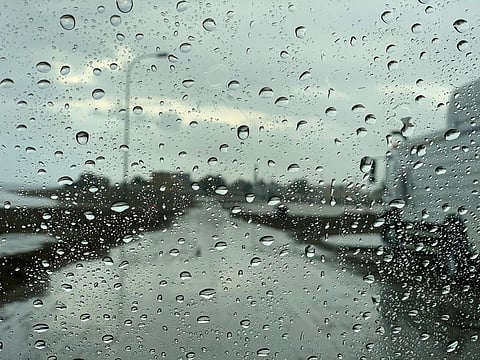
Dubai’s Roads and Transport Authority (RTA) has urged motorists to drive carefully during heavy rainfall, reminding drivers that following a few simple safety measures can protect themselves and others on the road.
Rain and strong winds are expected across parts of the UAE on Monday, the National Center of Meteorology (NCM) said. Hailfall was reported early this morning in Al Rams and northern Ras Al Khaimah, with videos circulating on social media showing hail showers at dawn.
Overnight rainfall was also recorded in parts of Ras Al Khaimah and Fujairah, while scattered areas of Al Ain experienced rain, bringing cooler conditions and much-needed relief as unstable weather affected northern and eastern regions.
Rain and cooler weather in UAE
The UAE is experiencing partly cloudy to cloudy skies as an extension of a surface low-pressure system, supported by an upper-air low, influences weather across the country. The system is contributing to cooler temperatures and occasional showers in affected areas.
RTA safety tips: Driving in rain
Before you drive:
Check brakes, tyres, headlights, windshield wipers, and washer fluid.
Ensure windows and mirrors are clean.
Plan extra travel time, as rain can slow traffic.
On the road:
Reduce speed and maintain a safe distance from the vehicle ahead.
Avoid overtaking; wet roads increase the risk of slipping.
Follow traffic signs and accelerate gradually at traffic lights.
Turn on headlights and use fog lights in low visibility; avoid high beams in fog.
Use hazard lights only in emergencies.
In risky conditions:
Avoid flooded streets; never underestimate water depth.
Exercise caution at intersections where water mixes with oil, creating slippery surfaces.
Stay in your lane in tunnels; lighting may be poor.
After passing through deep water, test brakes at low speed.
General advice:
Drive patiently and carefully.
Avoid stopping on the road or near lane markings.
Always watch for emergency signs and adjust driving accordingly.


