How a Dh6 billion highway will change travel in the UAE
Plans include a federal highway stretching about 68km, featuring 10 major interchanges
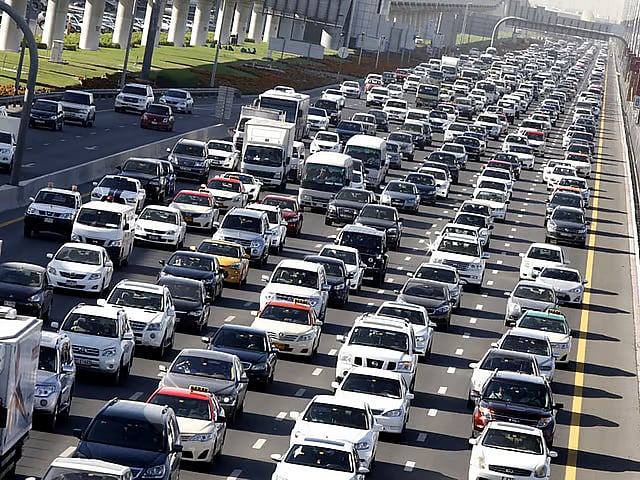
Dubai: The UAE is set to undergo a massive transformation in inter-emirate connectivity, with a new Dh6 billion federal highway and a mass transit network linking Dubai, Sharjah, and Ajman.
During the first meeting of the UAE Infrastructure and Housing Council for 2026, chaired by Suhail bin Mohammed Al Mazrouei, Minister of Energy and Infrastructure, officials laid out a roadmap designed to ease congestion and support the country’s rapid urban expansion.
Get updated faster and for FREE: Download the Gulf News app now - simply click here.
Also Read
Traffic congestion: RTA plans bold moves to keep Dubai moving70 new roads, Dh35b, one project a month: Dubai races to keep up with exploding car growthAjman opens major road development to ease congestion10 UAE projects that will improve quality of life for residentsThe Dh6 billion ‘Fourth Federal Highway’
Central to the discussions were the technical updates on the Fourth Federal Highway project. This major road scheme aims to significantly increase road capacity between the emirates.
The ambitious project will feature a 68km stretch of highway consisting of six to eight lanes in each direction. The infrastructure plan includes 10 major interchanges and four flyovers, representing a total investment of approximately Dh6 billion. Once complete, the highway is expected to streamline traffic flow and provide a vital artery for the movement of goods and people.
Mass transit for Dubai, Sharjah, and Ajman
To address the heavy daily commuting demand between Dubai, Sharjah, and Ajman, the Council reviewed a study for an integrated mass transit network.
The proposed plan includes 10 main routes featuring Bus Rapid Transit (BRT) systems and dedicated lanes. This network is designed to link directly with existing transport hubs, such as metro stations and city centers, providing a flexible alternative to private vehicle use and helping to reduce carbon emissions.
Climate resilience and road safety
Following the recent bouts of unstable weather in the region, the Council also conducted a review of emergency response measures. Members discussed the effectiveness of steps taken to maintain traffic continuity and road safety during heavy rainfall.
The Minister emphasized the importance of "lessons learned" from these events, noting that future infrastructure must be built with enhanced preparedness to ensure the UAE’s transport network remains resilient against adverse weather conditions.
A vision for sustainable mobility
Al Mazrouei highlighted that infrastructure remains a central pillar of the UAE’s national competitiveness. He noted that the next phase of development will prioritize high-impact projects that transition the country toward "smart and sustainable mobility."
“The focus will be on accelerating projects that improve transport efficiency and support population growth while reducing both congestion and environmental impact,” Al Mazrouei stated.
The Council also reviewed specific plans to strengthen Ajman’s connectivity with the third and fourth federal road corridors, ensuring that the benefits of these infrastructure updates are felt across the Northern Emirates.
Sign up for the Daily Briefing
Get the latest news and updates straight to your inbox
Network Links
GN StoreDownload our app
© Al Nisr Publishing LLC 2026. All rights reserved.