Dr. Ahmed Mostafa, ophthalmology specialist at Medcare Royal Speciality Hospital
Why more children are developing vision problems at an earlier age
Doctors say screens are only part as other factors contribute to rising myopia rates
Last updated:
4 MIN READ
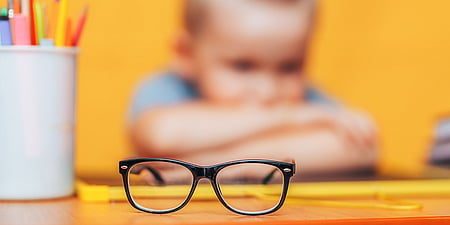
As screen exposure and digital learning become part of everyday life, concerns regarding worsening eyesight among younger generations continue to grow
Dubai: More children and teenagers are being diagnosed with vision problems at younger ages, raising concerns among parents, even in the UAE. While smartphones, tablets, and laptops are often blamed for worsening eyesight, ophthalmologists say the real picture is far more than that.
Doctors told Gulf News that the growing rise in myopia, or short-sightedness, is being driven by a combination of prolonged near work, reduced outdoor activity, changing lifestyles, and increased academic pressure.
Although excessive screen use can lead to digital eye strain, experts have noted there is no clear evidence that screens themselves permanently damage the eyes.
Get updated faster and for FREE: Download the Gulf News app now - simply click here.
Screens don’t directly damage eyes
According to Dr. Ahmed Mostafa, ophthalmology specialist at Medcare Royal Speciality Hospital, one of the biggest contributors to worsening eyesight among younger generations is the overall shift in daily habits.
“Children and teenagers today spend far more time focusing on near objects, whether that is phones, tablets, laptops, or even prolonged studying indoors. This constant close-up work can contribute to the development and progression of short-sightedness, also known as myopia,” Mostafa told Gulf News.
He has stressed that screen exposure alone is unlikely to explain the rise in cases and pointed to reduced outdoor activity as another major concern. Mostafa has mentioned that natural daylight plays an important role in healthy eye development in children.
“Current evidence does not show that screens directly damage the eyes permanently in most children. Rather, prolonged close-up focusing and reduced time spent outdoors appear to be the bigger contributors.”
Notably, doctors have been identifying vision problems earlier than before because awareness among parents has improved and routine eye testing has become more common.
Mostafa has bared that prolonged screen use is strongly linked to digital eye strain, with many children and adults experiencing headaches, dry eyes, blurred vision, tired eyes, and temporary difficulty focusing after extended periods on devices.
“The concern is less about the screen as a device and more about the behaviour surrounding its use such as long, uninterrupted periods of close focus, poor posture, reduced blinking, lack of breaks, and less time spent outdoors. Encouraging healthy screen habits is therefore far more important than avoiding technology altogether.”
Technology is part of education
For Dr. Mandeep Lamba, specialist ophthalmologist at Prime Hospital, the rise in vision problems among children and teenagers has become a growing global public health concern.
“Increasing numbers of young people are developing myopia, or short-sightedness, at earlier ages than previous generations,” shared Lamba.
Generally, doctors separate the issue into temporary digital eye strain and long-term vision changes. While symptoms are usually reversible, the more worrying trend is the rapid increase in myopia cases among young people.
Dr. Mandeep Lamba, specialist ophthalmologist at Prime Hospital
Moreover, Lamba has linked worsening eyesight to modern lifestyle changes such as poor sleep habits, sedentary routines, and excessive indoor activity. During the Covid-19 pandemic, faster progression of myopia has been observed due to more screen exposure and less time spent outdoors.
Lamba has also highlighted that the focus should be on moderation and healthier visual habits rather than completely eliminating screens.
“Technology is now part of education and modern life, making complete avoidance unrealistic. Protecting children’s vision will require cooperation between parents, schools, healthcare professionals, and communities to promote healthier daily routines and early eye care awareness.”
Healthy visual habits
Meanwhile, Dr. Anchitha Meenu, ophthalmologist at Aster Clinic, has underscored that increased screen exposure and digital learning are now part of everyday life for many children, but several lifestyle-related factors are contributing to worsening eye health.
Online classes, gaming, and mobile phone use have been major contributors to rising myopia rates.
“Increased academic pressure leading to prolonged near work from an early age, limited exposure to natural daylight, and long hours spent indoors also play a significant role,” explained Meenu.
Dr. Anchitha Meenu, ophthalmologist at Aster Clinic
Simple habits can make a major difference in protecting children’s eyesight. Maintaining a proper screen distance, reducing unnecessary screen exposure, ensuring good lighting, and following the “20-20-20 rule” can help reduce strain on the eyes.
Additionally, Meenu has cited that studies show children who spend at least 90 minutes outdoors daily have significantly lower rates of myopia.
“Developing healthy visual habits from an early age is essential to preserving long-term eye health.”
Doctors say the solution is not to remove technology from children’s lives, especially now in a digital world. Instead, they have emphasised the importance of creating balanced daily routines that include outdoor play, regular breaks from screens, healthy sleep habits, and routine eye examinations.
Early awareness and healthier lifestyle habits help in protecting the long-term eye health of younger generations in the UAE and around the world.
Network Links
GN StoreAbout Gulf NewsTerms & ConditionsReach by GNSitemapContact usPrivacy PolicyGN FocusHave your sayWork with usAdvertise with usGulf News epaperPrinting Services
Download our app
© Al Nisr Publishing LLC 2026. All rights reserved.