Nargiza Noimann Zander, clinical psychologist and founder of X-Technology
Mental health matters: Why coping with daily life does not always mean you are okay
Psychologists explain warning signs, how to manage stress, when to seek professional help
Last updated:
4 MIN READ
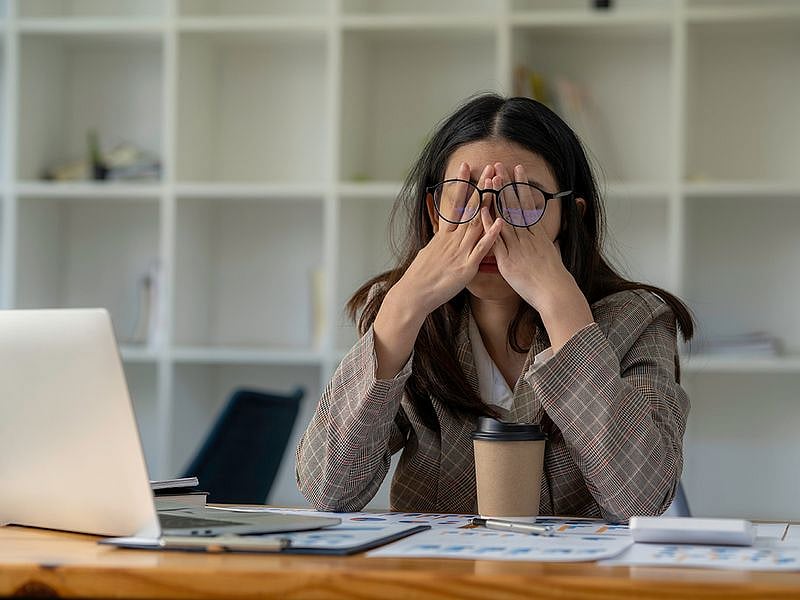
Mental health deserves the same seriousness as physical health and early support can be an important step towards better mental wellbeing. Photo for illustrative purposes only
Shutterstock
Dubai: Going to work, meeting deadlines, and keeping up with family commitments may make life appear manageable. But people can continue fulfilling their responsibilities while struggling with anxiety, persistent stress, low mood, or loneliness.
Psychologists say recognising emotional distress early, making realistic changes to daily routines, and seeking help when necessary are important steps towards better mental wellbeing.
According to the World Health Organisation’s 2025 data, more than one billion people worldwide experience a mental health condition, with anxiety and depression among the most common.
Get updated faster and for FREE: Download the Gulf News app now - simply click here.
When coping comes at a cost
Nargiza Noimann Zander, clinical psychologist and founder of X-Technology, has noted that people living in the UAE may face demanding work schedules, financial responsibilities, employment uncertainty, and the challenges of living away from family.
The pressure to appear successful and constantly available can make emotional difficulties harder to recognise.
“A full social calendar can coexist with loneliness if there is nobody with whom a person feels able to speak honestly,” Zander told Gulf News.
She has advised people to notice persistent symptoms, disrupted sleep, and changes in everyday functioning rather than judging their wellbeing by how much they accomplish.
Zander has recommended practical steps such as setting boundaries around work messages, writing down unfinished tasks before ending the working day, and protecting realistic breaks for recovery.
When supporting someone who is struggling, she has suggested asking: “You seem more withdrawn recently. How have you been feeling?”
Listening without judgement and offering specific help, such as assisting with childcare or accompanying someone to an appointment, can make it easier for them to accept support.
Persistent low mood or loss of interest lasting two weeks is a reason to seek professional assessment, although severe symptoms warrant help sooner.
Recognise the signs early
Wissam Al Massadeh, psychologist at Medcare Camali Clinic, has bared that mental health concerns can affect people of all ages, although the pressures they face differ.
Young adults may struggle with academic demands and career uncertainty, while working professionals often juggle employment, finances, and family responsibilities. Older adults may experience loneliness, declining health, or major life changes.
Social media can add pressure by encouraging comparisons with carefully curated portrayals of other people's lives.
Al Massadeh has emphasised that mental health conditions generally develop through a combination of biological, psychological, and environmental influences.
Wissam Al Massadeh, psychologist at Medcare Camali Clinic
Warning signs include persistent sadness, excessive worry, changes in sleep, difficulty concentrating, withdrawing from loved ones, and losing interest in previously enjoyable activities. People should not dismiss these difficulties or assume they must manage them alone.
“People do not need to wait until they reach a crisis point before asking for support,” shared Al Massadeh.
He has encouraged families to create an environment where mental health can be discussed openly and without judgement, helping people seek professional support when symptoms persist or affect everyday life.
Why balance matters
Lorelei Rowe, psychologist at Mayo Clinic, has explained that mental health is influenced by factors including genetics, stressful life experiences, and environmental circumstances.
Prolonged stress can affect both physical and emotional wellbeing. When the body’s threat response is activated frequently, it can contribute to fatigue, changes in immune response, and emotional distress.
Supportive relationships, sufficient sleep, nutritious food, regular exercise, and activities that provide enjoyment or purpose can help protect wellbeing.
Rowe has also warned against trying to excel in every area of life at once.
“We do best when we get enough sleep, have time to rest and recharge, eat well and exercise, connect with friends and loved ones, and do activities that we enjoy and give us a sense of meaning and purpose,” stated Rowe.
Lorelei Rowe, psychologist at Mayo Clinic
She has recommended prioritising these needs alongside work, education, and achievement, rather than sacrificing rest and relationships to meet every demand.
When someone appears distressed, Rowe has advised listening first and asking what support they need instead of immediately trying to solve their problems.
Significant behavioural changes, prolonged distress, or difficulties with daily activities may indicate that professional help is appropriate. A doctor can assess symptoms and determine whether a referral to a mental health professional is needed.
Any mention of suicide or self-harm must be taken seriously. If someone is in immediate danger, contact emergency services.
When to seek help
The psychologists have stressed that continuing to meet daily responsibilities does not necessarily mean a person is emotionally well.
Persistent changes in mood, sleep, concentration, or behaviour deserve attention, particularly when they begin affecting work, relationships, or daily life.
Seeking support from a doctor or licensed mental health professional can help people understand what they are experiencing and identify appropriate care.
For UAE residents balancing work, family, and personal commitments, protecting mental wellbeing starts with recognising when the pressure has become too much. You do not have to wait until you can no longer cope to ask for help.
Network Links
GN StoreAbout Gulf NewsTerms & ConditionsReach by GNSitemapContact usPrivacy PolicyGN FocusHave your sayWork with usAdvertise with usGulf News epaperPrinting Services
Download our app
© Al Nisr Publishing LLC 2026. All rights reserved.