Dr. Eman Abdul Kader Alabar, specialist internal medicine at Medcare Royal Speciality Hospital
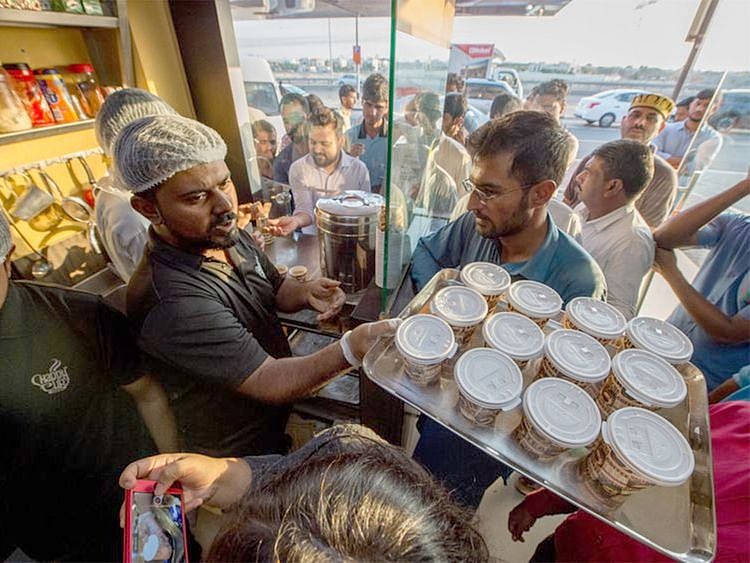
Dubai: Step outside in the UAE this summer and the heat is enough to make anyone crave an ice-cold drink. Yet, walk into a cafeteria, office pantry, or roadside tea shop, and you'll still find queues for steaming cups of karak.
For many residents, the daily ritual of sipping hot tea, Arabic coffee, or even enjoying a bowl of soup continues uninterrupted, even when temperatures climb well above 45°C.
Is it simply habit? Does a hot drink actually cool the body? Or is there something else at play? Health experts say the answer lies in a combination of science, psychology, and the unique way people live in the UAE.
Get updated faster and for FREE: Download the Gulf News app now - simply click here.
Culture and lifestyle
For Dr. Eman Abdul Kader Alabar, specialist internal medicine at Medcare Royal Speciality Hospital, the popularity of hot beverages has little to do with the weather itself.
“It may seem counterintuitive, but food and beverage preferences are influenced by much more than the weather alone,” Alabar told Gulf News.
For many people in the UAE, karak, tea, and coffee have been woven into everyday life. They have been part of morning routines, family gatherings, workplace conversations, and moments of relaxation. That sense of familiarity often outweighs the instinct to reach for something cold.
The country's lifestyle has also reinforced those habits. While outdoor temperatures can be extreme, residents spend much of the day in heavily air-conditioned offices, shopping malls, homes, and cars.
“People frequently move between intense outdoor heat and cool indoor settings throughout the day. This contrast can naturally increase the appeal of warm drinks and comforting meals.”
She has noted that many people perceive warm meals as more satisfying or easier to digest, although there is limited scientific evidence showing that warm foods offer a significant digestive advantage over cold foods in otherwise healthy individuals.
Can a hot drink really help cool the body
The idea may sound contradictory, but there is a physiological explanation, according to Dr. Mohammed Zaquot, consultant internal medicine at Prime Hospital.
The human body works constantly to maintain a stable core temperature of around 37°C. One of its most effective cooling mechanisms is sweating.
“Drinking a hot beverage can stimulate sweating, and when sweat evaporates, it helps cool the body, particularly in dry conditions,” shared Zaquot.
Dr. Mohammed Zaquot, consultant internal medicine at Prime Hospital
However, he has cautioned that this is not a strategy people should rely on during the UAE summer. The cooling effect depends on sweat being able to evaporate efficiently from the skin. In humid conditions, evaporation has been less effective, reducing the benefit. Staying hydrated has remained the body's most important defence against heat.
Zaquot has also warned against drinking beverages at extremely high temperatures, noting that repeated exposure to very hot drinks may damage the lining of the oesophagus.
Instead, he has recommended focusing on a balanced summer diet with plenty of fruits, vegetables, whole grains, and lean proteins, while drinking water regularly throughout the day.
Why your brain may be craving that cup of karak
While the body has its reasons, the mind has its own. Nargiza Noimann Zander, clinical psychologist and founder of X-Technology, has bared that many summer cravings for hot drinks have more to do with emotional regulation than temperature.
“Food and drink are strongly connected to habit, comfort, identity, and emotional regulation,” explained Zander.
For many residents, a cup of karak has represented more than tea. It has signalled the start of the day, a work break, a conversation with colleagues, or a quiet moment to unwind. Over time, the brain begins to associate that familiar routine with feelings of safety and relaxation.
“A hot drink can signal pause, comfort and mental reset.”
Nargiza Noimann Zander
Warm beverages can also create a soothing sensation in the throat, chest, and stomach that encourages the body's “rest and digest” response. Cold drinks may feel refreshing, but they do not always provide the same emotional comfort, particularly after spending hours in heavily air-conditioned indoor spaces.
Zander has stressed that moderation remains important. Drinks high in caffeine or sugar can affect sleep, anxiety, and energy levels if consumed excessively, especially during periods of dehydration or fatigue.
“If someone feels dizzy, unusually tired, overheated, thirsty, or unable to cool down, the body is giving a signal that it needs hydration, rest, and cooling, not another stimulant.”
What you should be eating and drinking this summer
Whether you prefer your drink hot or cold, nutrition experts say the bigger priority is what else is on your plate.
Ruba El Hourani, head of the preventive health and nutrition department at RAK Hospital, has emphasised that hydration should remain the cornerstone of every summer diet.
People lose significant amounts of fluid through sweating during the hotter months, making regular water intake essential. Those spending long hours outdoors or exercising may also need electrolyte-rich fluids to replace minerals lost through perspiration.
Ruba El Hourani, head of the preventive health and nutrition department at RAK Hospital
She has recommended building meals around water-rich fruits and vegetables, lean proteins, and other light, balanced foods that provide nourishment without leaving the body feeling sluggish.
At the same time, she has advised limiting sugary soft drinks, excessive caffeine and heavy, oily meals, which can increase thirst, contribute to dehydration and place additional strain on the body in extreme heat.
“It is important to clarify that there is limited strong clinical evidence that hot drinks are superior to cold drinks for digestion in healthy individuals. The main determinant of digestive health is hydration, regardless of beverage temperature,” said El Hourani.
A cup of karak tea in the UAE
For UAE residents who cannot imagine starting the day without a cup of karak, there is good news. Experts have agreed that there is no need to abandon the tradition simply because temperatures are soaring. A hot drink enjoyed in moderation, alongside plenty of water and a balanced diet, can comfortably remain part of a healthy summer routine.
After all, in a country where temperatures regularly climb beyond 45°C, the UAE's favourite hot drink has become more than a beverage. It's a daily ritual and one that even summer has failed to break.
Network Links
GN StoreAbout Gulf NewsTerms & ConditionsReach by GNSitemapContact usPrivacy PolicyGN FocusHave your sayWork with usAdvertise with usGulf News epaperPrinting Services
Download our app
© Al Nisr Publishing LLC 2026. All rights reserved.