Dr. Jyothish George, specialist dermatologist and head of immunisation at Prime Hospital
How UAE travellers can protect themselves from Hantavirus, other illnesses during Eid holidays
Doctors advise vaccines, masks, hygiene measures as residents prepare for holiday travel
Last updated:
4 MIN READ
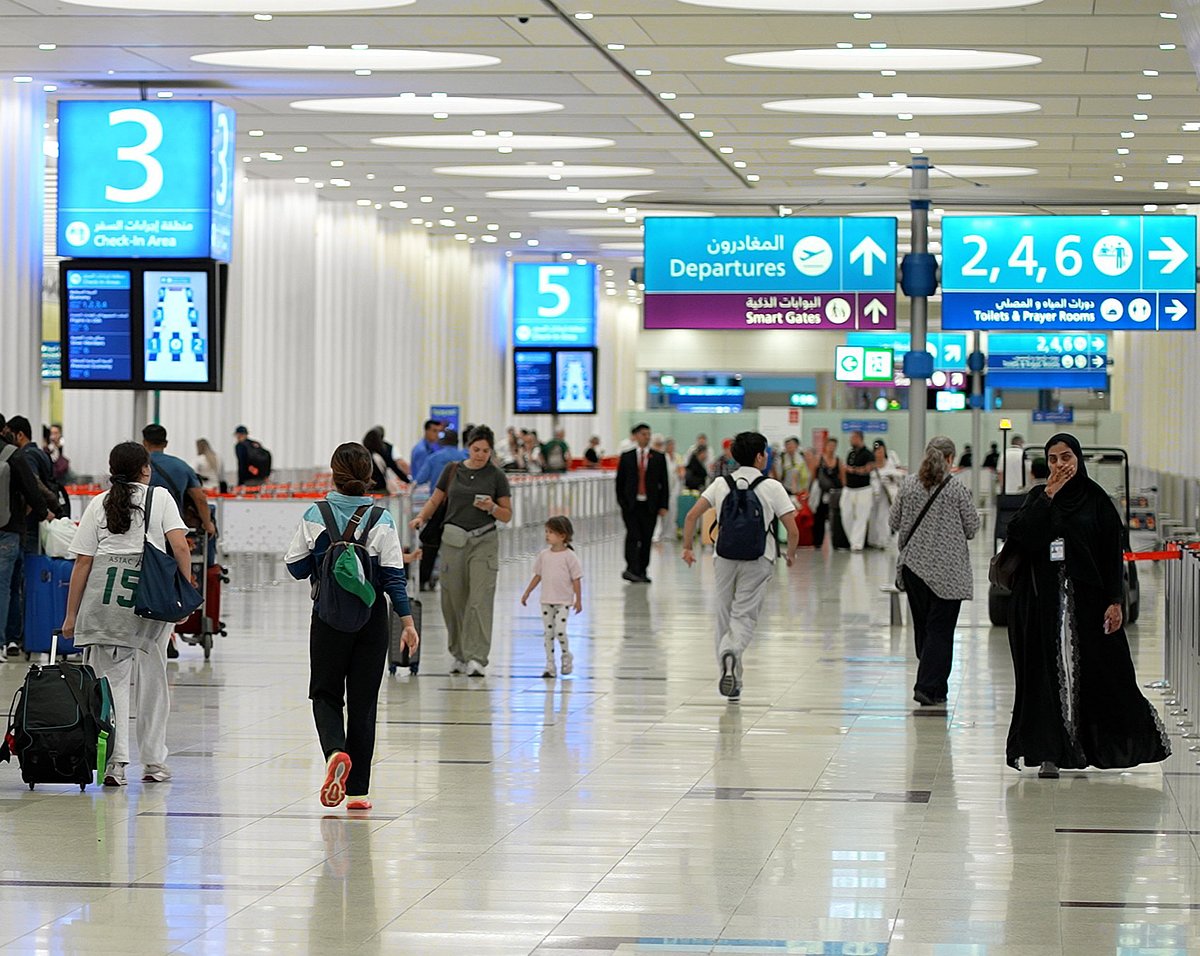
Travellers told to exercise caution in areas where rodent-borne infections such as Hantavirus have been reported
Dubai: As UAE residents prepare for Eid holiday getaways, doctors are urging travellers to take simple but important precautions to protect themselves from viruses and other infections while abroad, including emerging illnesses such as Hantavirus reported in some parts of the world.
With global travel expected to increase during the festive period, medical experts say staying up to date with vaccinations, practising good hygiene, and monitoring symptoms during and after travel can help reduce health risks for families.
Doctors have stressed that while the World Health Organisation considers the general public risk from Hantavirus to be very low, travellers should still remain cautious in destinations where rodent-borne infections have been reported.
They have also warned that children, elderly travellers, pregnant women, and people with chronic illnesses may be more vulnerable to infections and should take extra care before flying.
Get updated faster and for FREE: Download the Gulf News app now - simply click here.
Prevention should start before departure
Dr. Jyothish George, specialist dermatologist and head of immunisation at Prime Hospital, has noted that preventive healthcare should begin before travellers leave the UAE.
“It is advisable to ensure that routine vaccinations, including influenza and Covid-19 vaccinations where indicated, are up to date,” George told Gulf News, adding that some destinations may require additional travel-related vaccines after medical consultation.
George has advised travellers to maintain good hand hygiene, carry alcohol-based sanitisers, and stay hydrated during travel. He has also recommended avoiding close contact with visibly sick individuals, especially in crowded airports and public transport areas.
“Wearing masks in crowded indoor settings may still provide additional protection, especially for vulnerable and immunosuppressed individuals.”
George has urged travellers to stay aware of emerging infectious diseases, including rodent-borne illnesses such as Hantavirus in certain regions.
Hantavirus infection can occur through exposure to contaminated rodent urine, droppings, or saliva, particularly in poorly ventilated cabins, campsites, rural accommodations, or storage areas.
“Travellers should avoid contact with rodents, avoid sweeping dusty enclosed spaces without protection, and maintain proper food storage and environmental hygiene during outdoor travel or camping activities.”
Carry medicines and travel health kits
For her part, Dr. Malaz Yabrodi, specialist internal medicine at Medcare Hospital Sharjah Shaikh Saqr Al Qasim, has bared that travellers should carry regular medications in their hand luggage along with a basic health kit.
The kit should include essentials such as pain relief medication, masks, hand sanitiser, and basic first-aid supplies.
“Good hygiene remains key. Frequent hand washing, staying hydrated, adequate rest, and avoiding close contact with unwell individuals can significantly reduce infection risk,” shared Yabrodi.
Dr. Malaz Yabrodi, specialist internal medicine at Medcare Hospital Sharjah Shaikh Saqr Al Qasim
Moreover, she has emphasised the importance of checking travel advisories and health entry requirements before departure, as health situations can change rapidly in some countries.
Yabrodi has encouraged travellers to seek medical advice if they experience symptoms such as fever, persistent cough, sore throat, fatigue, shortness of breath, vomiting, diarrhoea, or skin rashes that worsen or do not improve during or after travel.
“Wearing a mask and limiting contact with others is advisable until recovery.”
Extra precautions for elderly and high-risk travellers
Meanwhile, Dr. Mohammad Shakkil, specialist internal medicine at Aster Clinic, has pointed out that elderly travellers and people with chronic illnesses such as asthma, diabetes, and heart disease should take additional precautions before travelling.
He has recommended influenza vaccinations for high-risk individuals and advised patients to ensure chronic conditions are well controlled before departure.
“Ensuring their health status before travel is advisable. They should make sure that they are fit to travel, carry necessary medications, and get vaccines to prevent developing influenza and pneumonia,” explained Shakkil.
Dr. Mohammad Shakkil, specialist internal medicine at Aster Clinic
According to him, anyone experiencing fever, cough, chest congestion, shortness of breath, headaches, muscle aches, diarrhoea, or vomiting should seek medical attention promptly.
“Family members should take necessary precautions which includes isolation, physical distancing, and general hygiene measures like hand washing and using clean, safe water and food.”
Families urged to plan ahead
Doctors have mentioned that families travelling with young children, pregnant women, or elderly relatives should plan ahead by carrying vaccination records, regular medicines, and oral rehydration solutions.
Additionally, parents should remind children to wash their hands regularly and avoid unhygienic environments during holidays. Proper hydration, adequate rest, and balanced nutrition likewise remain essential for maintaining immunity during travel.
With careful planning and preventive measures, doctors say UAE residents can enjoy a safe and healthy Eid holiday while reducing the risk of spreading infections within their communities.
Network Links
GN StoreAbout Gulf NewsTerms & ConditionsReach by GNSitemapContact usPrivacy PolicyGN FocusHave your sayWork with usAdvertise with usGulf News epaperPrinting Services
Download our app
© Al Nisr Publishing LLC 2026. All rights reserved.