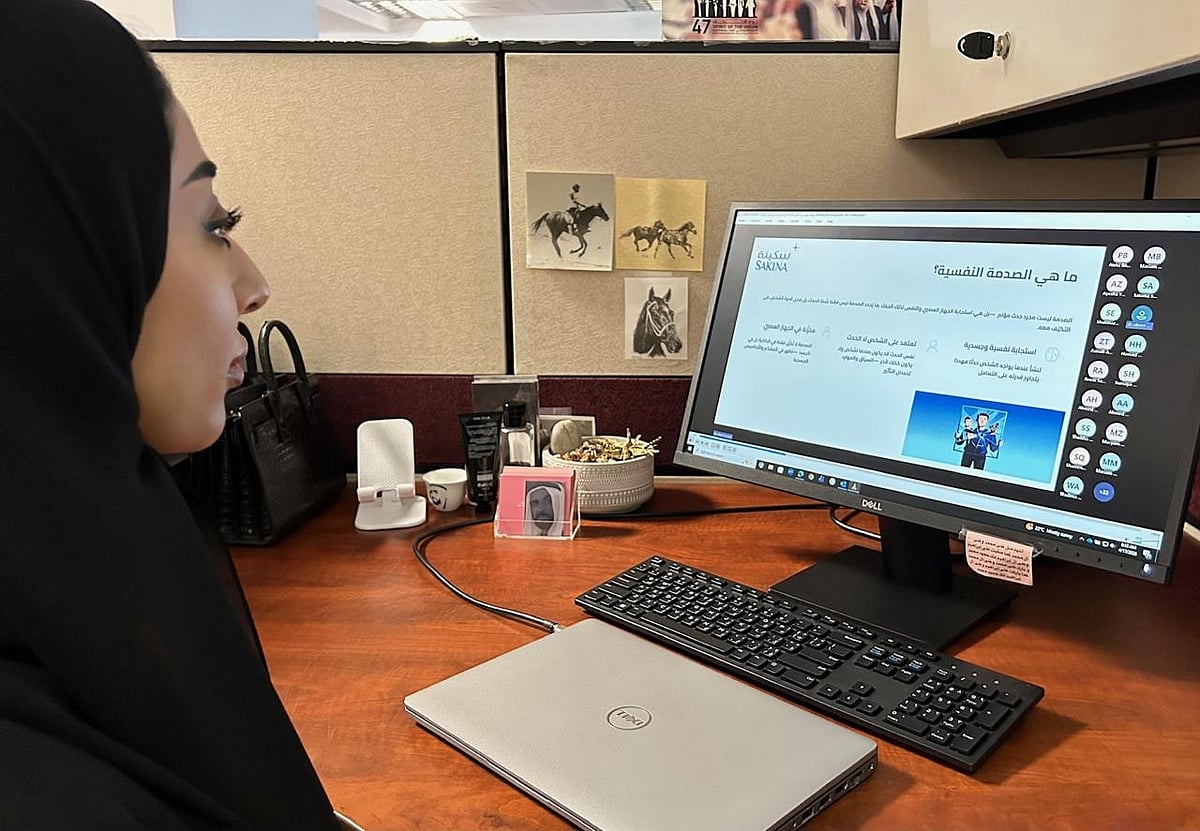
National Archives and Library has organised a virtual workshop focusing on understanding trauma responses during crises and emergencies.
Titled “Understanding trauma responses during times of crisis”, the session highlighted the importance of psychological safety and its impact on both mental and physical health, as well as workplace focus and productivity.
Raising awareness
The workshop aimed to explain the concept of trauma and how it affects individuals, while also introducing simple approaches to provide support during difficult situations.
Get updated faster and for FREE: Download the Gulf News app now - simply click here.
It was delivered by Abeer Ahmad, a specialist at Sakina mental health services in Abu Dhabi.
She said trauma is not only linked to the event itself, but also to how the body and nervous system respond to it.
“Understanding these responses is important to provide the right support during crises,” she said.
How trauma affects the body
Dr Ahmad explained that trauma can remain in the body and nervous system, not just in memory.
This can lead to ongoing emotional and behavioural effects even after the event has passed.
She said common signs include reliving the experience, avoiding reminders, changes in mood and increased alertness.
The workshop also explained the difference between a crisis and trauma, noting that not every crisis leads to trauma, but trauma usually begins with a crisis that a person struggles to manage.
Natural responses
Participants were introduced to natural reactions such as “fight, flight or freeze”, which are the body’s way of dealing with stress.
The session also covered the concept of the “window of tolerance”, which refers to a balanced emotional state where individuals can function effectively.
Dr Ahmad said understanding triggers that may reactivate trauma is important to avoid causing further stress when supporting others.
Practical coping methods
The workshop provided simple techniques to help manage stress, including breathing exercises, physical movement and listening to music.
It also highlighted the importance of supportive communication and visualising safe spaces to help calm the mind.
Officials said these methods can help improve emotional wellbeing and create a sense of safety during difficult times.
Building understanding
At the end of the session, Dr Ahmad stressed that trauma responses are natural and should be approached with care and understanding.
Officials said the workshop is part of ongoing efforts to raise awareness about mental health and support individuals during emergencies.
They added that promoting understanding and empathy plays a key role in helping people recover and maintain wellbeing.
Network Links
GN StoreDownload our app
© Al Nisr Publishing LLC 2026. All rights reserved.