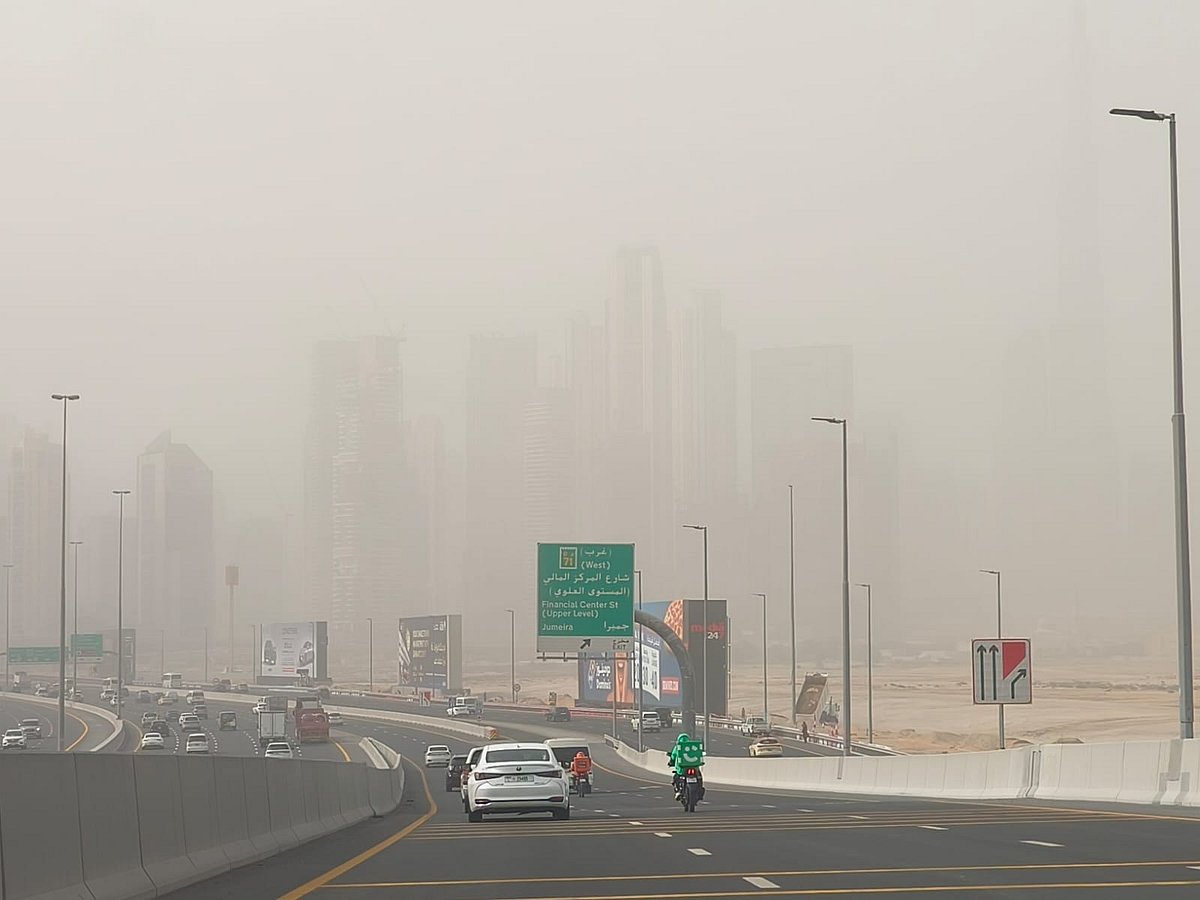
Recent weather patterns in the UAE have brought dusty conditions and fluctuating winds, reducing visibility and increasing airborne dust levels. The National Centre of Meteorology has issued yellow dust alerts across several regions, advising residents to take precautions when stepping outdoors.
During dusty weather and sandstorms, hospitals may see a rise in patients presenting with respiratory complaints, doctors said.
“Individuals with pre-existing illnesses such as asthma, chronic obstructive pulmonary disease (COPD), bronchiectasis, chronic sinusitis, and allergies are particularly vulnerable, as dust particles irritate the airways and aggravate symptoms,” said Dr Vishnu Chaitanya Swaroopa Sura, Specialist, Internal Medicine, Medeor Hospital in Dubai.
Common symptoms include coughing, wheezing, shortness of breath, throat irritation, sneezing, itchy or burning eyes, headaches, and worsening of asthma or other chronic lung conditions.
She noted that children, elderly individuals and those with chronic medical conditions face a higher risk when air quality deteriorates.
Preventing respiratory problems
Dr Vishnu pointed out that to reduce the risk of respiratory problems during dusty conditions, it is advisable to limit outdoor exposure as much as possible.
“Staying indoors during dust alerts, avoiding outdoor exercise or strenuous activities, and keeping doors and windows tightly closed can help minimise dust entry into living spaces,” she noted.
“When stepping outside is unavoidable, wearing a well-fitted face mask, preferably an N95 or N99, can reduce inhalation of fine particles. Protective eyewear helps prevent eye irritation, and while driving, keeping car windows closed and using air recirculation mode can further reduce exposure.”
Maintaining good indoor air quality
Dr Vishnu said that using air purifiers with HEPA filters can help reduce indoor dust levels, and air-conditioner filters should be cleaned and changed regularly. Reducing indoor pollutants such as incense and strong cleaning chemicals can also help protect the respiratory system.
How to safeguard your lungs
Personal hygiene helps reduce dust exposure. After returning indoors, changing clothes and showering helps wash off dust particles from the skin and hair.
Staying well hydrated supports healthy airway lining and applying a small amount of non-perfumed ointment inside the nostrils may help reduce dryness caused by dust exposure.
People with chronic respiratory or heart conditions should strictly adhere to their prescribed medications and always carry rescue inhalers.
Saline nasal rinses can help clear irritants from the nasal passages.
Medical attention should be sought promptly if symptoms such as difficulty breathing, persistent cough, chest tightness, or wheezing worsen.
Parents are advised to limit outdoor play for children with asthma or allergies during dusty weather and ensure continued use of prescribed medications.
Immediate medical evaluation is recommended if symptoms such as severe shortness of breath, chest pain or tightness, fainting, dizziness, or a worsening cough that does not improve with usual treatment occur. These signs may indicate a significant respiratory event and require prompt medical care.
Sign up for the Daily Briefing
Get the latest news and updates straight to your inbox
Network Links
GN StoreDownload our app
© Al Nisr Publishing LLC 2026. All rights reserved.