UAE processes over 427,000 university qualification recognition requests, up 322%
More than 384,000 transactions involved qualifications issued outside the UAE
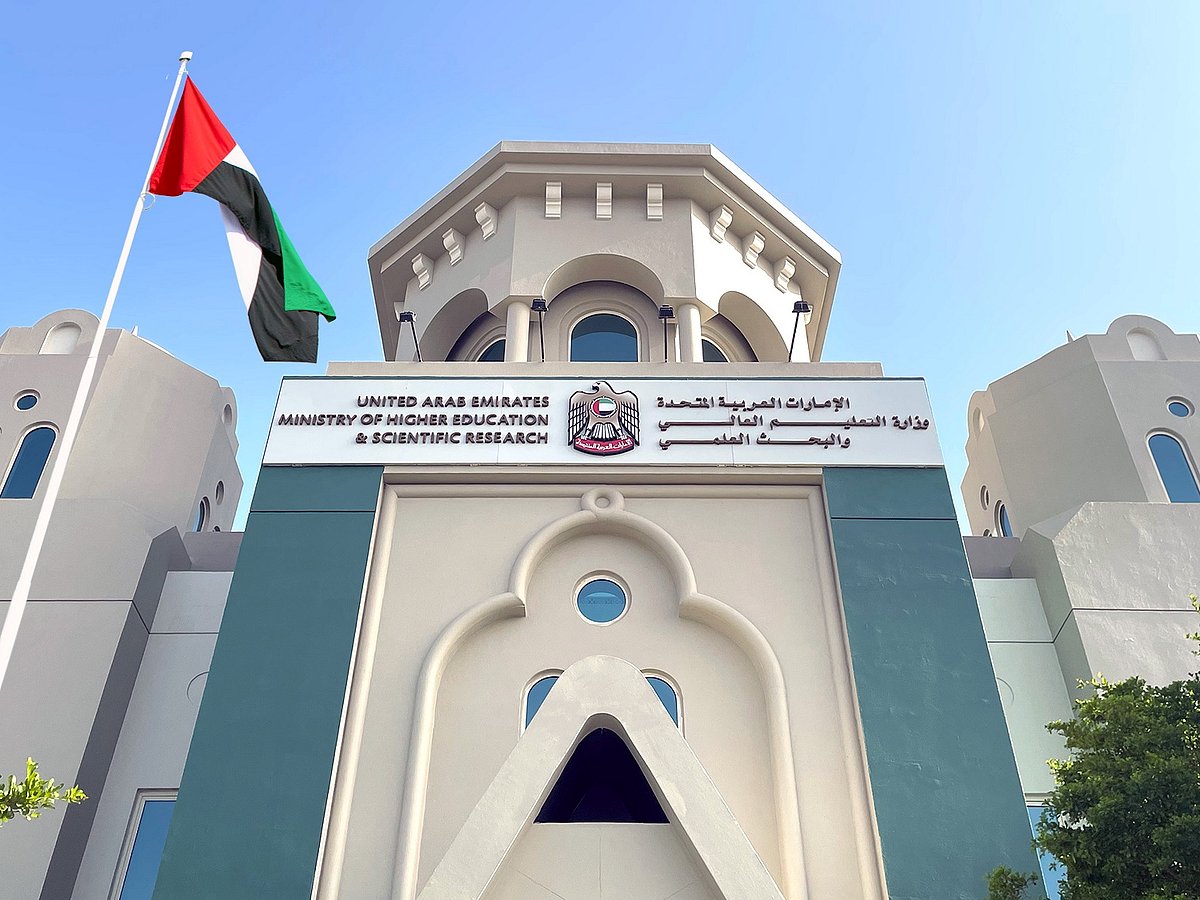
Dubai: The UAE Ministry of Higher Education and Scientific Research processed more than 427,000 qualification recognition transactions in the first ten months of 2026, a 322 per cent increase from the same period last year, as automation helped cut processing times by half.
The ministry handled 384,024 transactions involving higher education qualifications obtained abroad between January and October, compared with 72,686 during the corresponding period in 2025.
Get updated faster and for FREE: Download the Gulf News app now - simply click here.
It also processed more than 43,600 transactions involving qualifications issued by UAE-based higher education institutions, up from 28,650 a year earlier.
The sharp increase was driven by growing demand, expanded automation and closer digital integration with universities and government entities, the ministry said.
Processing time cut from 37 days to 18
The ministry reported that 72 per cent of all qualification recognition transactions were now completed automatically, with approximately 307,000 processed through automated systems in the first ten months of the year.
The changes reduced the average time required to complete recognition procedures by around 50 per cent, from 37 days to 18 days.
Automation has also reduced the number of procedures and documents applicants must submit, allowing ministry staff to devote more time to cases requiring specialised assessment.
Abdulwahab Abdullah Al Jamhi, Director of the Higher Education Qualifications Recognition Services Department, said the growth reflected progress in developing the ministry's digital services and strengthening integration with higher education institutions and government agencies.
He explained that the ministry was expanding digital links with strategic partners and using technology and available data to eliminate repetitive procedures, improve accuracy and speed up processing.
The efforts support the UAE Government's Zero Bureaucracy programme and aim to make qualification recognition more efficient while strengthening connections between higher education and the labour market.
Digital database covers more than 23,000 institutions
The ministry has developed a database containing information on more than 23,000 universities, higher education institutions, training providers and institutes worldwide.
The database allows authorities to verify institutional information and accelerate the assessment of qualifications issued outside the UAE.
The ministry has also established direct digital connections with 43 higher education institutions across the country through its automatic recognition initiative, which allows eligible academic and professional qualifications to be recognised without graduates having to submit separate applications.
Another 23 institutions are being connected to the system.
The ministry has strengthened digital integration with 15 scholarship-granting entities and the Ministry of Human Resources and Emiratisation.
For qualifications issued within the UAE, the number of recognition transactions increased by 52.2 per cent, from 28,650 to 43,600.
The proportion completed automatically rose from 9.2 per cent to 29.1 per cent over the same period.
Nearly 30,000 records shared with Nafis
The ministry also expanded its data-sharing arrangements with the Emirati Talent Competitiveness Council as part of efforts to help UAE nationals enter the workforce.
During 2026, it transferred approximately 29,880 records to support the creation of jobseeker profiles under the Nafis programme.
These records resulted in 6,680 new profiles for Emirati graduates, while the remaining records were matched with existing profiles to avoid duplication and improve data accuracy.
The ministry has also developed real-time digital dashboards containing 37 performance indicators across four categories, allowing teams to monitor transactions, track completion rates and identify operational issues.
Officials said further improvements to data matching and system integration would help increase accuracy, reduce repetitive procedures and improve information sharing between government agencies and higher education institutions.
Applicants can access qualification recognition services through the ministry's official website at www.mohesr.gov.ae.
Network Links
GN StoreDownload our app
© Al Nisr Publishing LLC 2026. All rights reserved.