Dubai’s shared housing law with up to Dh1m fines comes into effect: Will there be inspections, evictions now?
What the new law says about outsourced inspections, eligible tenants, rent payment rules
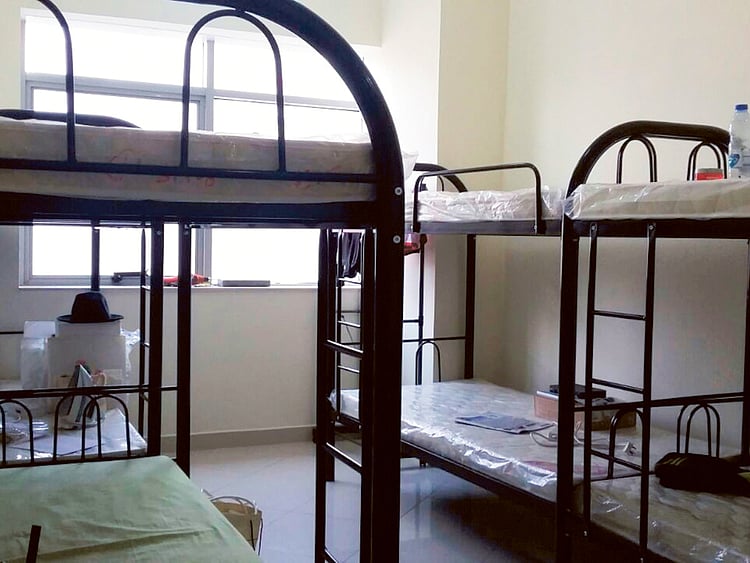
Dubai: Dubai's new shared housing law is now in force, and thousands of tenants across the emirate are asking the same question: does this mean the knock on the door starts now?
As first reported by Gulf News, Law No. (4) of 2026, regulating the occupancy and management of shared housing, took effect on Wednesday, August 26, 2026, exactly 180 days after it was published in the Official Gazette on February 27.
It was issued by His Highness Sheikh Mohammed bin Rashid Al Maktoum, Vice-President and Prime Minister of the UAE and Ruler of Dubai, and applies across the emirate, including special development zones and free zones. Labour accommodation is excluded.
Get updated faster and for FREE: Download the Gulf News app now - simply click here.
The new law regulates shared housing in Dubai, safeguarding the rights of owners and residents, ensuring safe and healthy living conditions, preventing overcrowding and informal housing, addressing building and land use violations, promoting fair rentals, and supporting the stability and appearance of the emirate’s real estate market.
Are inspections starting immediately?
Not quite yet, and this is the part many residents are getting wrong. Dubai has long carried out inspections of residential buildings to check for overcrowding and illegal partitions. That enforcement has never stopped.
What is different now is inspections specifically to enforce Law No. (4) of 2026 itself, checking for valid shared housing permits, registered contracts and compliance with the categories and standards this law sets out.
On that front, Dubai Municipality has confirmed to Gulf News that enforcement will roll out only "in line with the official enforcement timeline of the law and after the relevant procedures are finalised."
In short: the legal switch has flipped, but the specific machinery to enforce this new law is still being assembled. That means general overcrowding checks are not new, but law-specific inspections are yet to be formally announced.
Warning period?
Every owner, operator and company currently running shared housing has been handed a one-year grace period from August 26, 2026, to bring their units into line with the new rules.
This window can be extended once, by a decision of the Dubai Municipality Director-General, if needed.
Dubai Municipality has been explicit that this year is not a countdown to sudden raids and penalties as per the new law.
Asked whether warnings would come before penalties, the civic body earlier said the grace period itself "serves as a warning and regulatory period before the application of penalties begins."
New permits and register
Two pieces of the puzzle are yet to be put in place before the law can be enforced at full strength.
First, Dubai Municipality, working with the Dubai Land Department (DLD), has yet to officially announce the special operating permit that owners and companies will need before any property can legally be used as shared housing.
According to the civic body, the application process will be rolled out through the municipality's digital platforms "once the official processes are finalised."
Second, the DLD has yet to reveal the operational details of the Shared Housing Register, the electronic system that will log tenancy contracts, management agreements and resident data.
Under the law, a contract only carries legal weight once it is entered into this register, alongside standard lease templates and a rent index specific to shared accommodation.
Will inspectors be outsourced?
One important detail regarding inspections: inspectors could come from multiple entities, not just the municipality.
The law allows the competent authority to hand inspection and monitoring duties over to any public or private entity, under a formal agreement setting out each side's rights, obligations and conditions.
In plain terms, the municipality does not have to carry out every check itself. It can contract the job out.
The law also directs authorities to run periodic and surprise inspection campaigns and to build a unified inspection and monitoring system for shared housing across Dubai. However, when that system goes live has not been announced.
Can tenants actually be evicted?
Eviction is possible under the law, but it is neither automatic nor immediate.
Properties that fall foul of permit rules can be vacated following a decision by an execution judge, and authorities can suspend an operator for up to six months, cancel permits, coordinate the cancellation of a trade licence, cut utilities, or refuse to register a tenancy contract for a non-compliant unit.
Crucially, though, a suspended operator or a cancelled permit does not evict tenants overnight.
The law allows authorities to let occupants stay on for a specified period and gives them "sufficient time" to find alternative accommodation.
For now, with permits and the register still pending and formal inspections yet to begin, no evictions are expected to take place under the new law in the immediate term.
Fines that can double
Once enforcement does begin, penalties range from Dh500 to Dh500,000 per violation.
Repeat the same offence within a year, and the fine can double, up to a ceiling of Dh1 million.
Full details of which violations attract which fines will be spelt out later in the law's executive regulations.
Who can rent out shared housing?
No individual or company can designate a property as shared housing without a permit. Only property owners or licensed establishments can lease out approved units.
Owners can rent directly to occupants, appoint a licensed company to manage and lease on their behalf, or lease to a company that then sub-leases to residents.
Tenants barred from subletting
Tenants and any other party are explicitly barred from subletting a shared housing unit, or even part of it.
That chain of leasing runs strictly from owner to licensed operator to resident, with tenants themselves cut out of it entirely.
Who can live in shared housing?
The law recognises six categories of eligible residents: families, women, men, female students, male students, and employees, whether working for the government or private companies and institutions.
It also lists six types of properties that can be designated for shared housing: apartments, detached houses, residential complexes, mixed-use buildings, townhouses and multi-storey buildings.
Shared housing itself is defined as a property where individuals or families occupy designated spaces while sharing common facilities such as kitchens, dining areas, bathrooms and outdoor spaces.
Government entities, private companies and educational institutions can also provide shared housing for employees, workers and students, provided it is licensed and meets approved standards.
How rent must be paid
The law also standardises how rent payment works.
Under its provisions, the rent amount is fixed in the tenancy contract, and the occupant must pay it monthly and in advance, unless the two parties agree otherwise.
Rent is also deemed to include the electricity and water bills unless stated otherwise, with the landlord responsible for settling the bills with the relevant utility provider.
Network Links
GN StoreDownload our app
© Al Nisr Publishing LLC 2026. All rights reserved.