Middle East travel spending set to top $60 billion by 2030
Rising outbound demand drives record international participation at ATM 2026
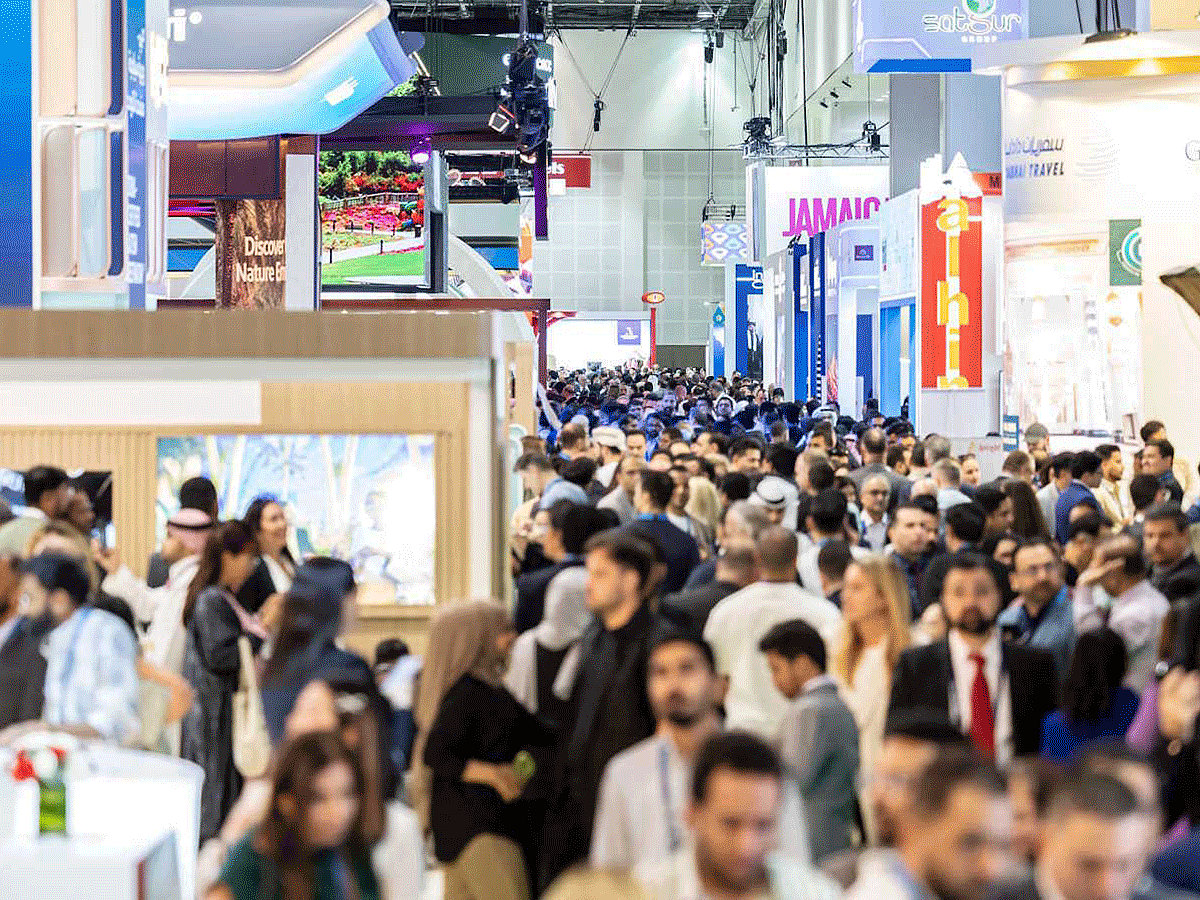
Dubai: Middle East travellers are spending more overseas and the pace is accelerating. Outbound travel expenditure from the region is projected to rise steadily through the decade and pass $60 billion by 2030, reshaping airline networks, hotel investment and destination marketing strategies worldwide.
That surge in demand is already playing out at Arabian Travel Market 2026, where international exhibitors are expanding their footprint to tap into a fast-growing and increasingly diverse Middle East traveller base. Exhibition space reserved by overseas participants is rising by 10% year on year, underlining how global destinations now view the region as a core source market rather than a seasonal add-on.
Global interest gathers pace
Participants from Africa and Asia are leading the growth. Exhibition space booked by African exhibitors has grown at a compound annual rate of nearly 32% between 2024 and 2026, while Asia has recorded close to 14% annual growth over the same period. Europe, the Americas and the Middle East have also posted steady gains, reflecting a broad-based shift in how destinations compete for Middle East travellers.
Danielle Curtis, Exhibition Director ME at Arabian Travel Market, said international engagement is rising in parallel with changes across global tourism. “International participation at ATM continues to grow in step with the remarkable shifts taking place across the worldwide tourism landscape. From Africa’s investment in infrastructure and sustainable luxury to Asia’s expansion in air connectivity and travel technology, we are seeing unprecedented engagement with the Middle East market.”
Destinations reposition for Gulf travellers
Egypt is emerging as one of the strongest beneficiaries. Outbound leisure nights from the Middle East to Egypt are forecast to increase by 21% by 2030, supported by a pipeline of mega-projects that includes the Grand Egyptian Museum, New Alamein City and major Red Sea resorts. Tourism authorities and hotel groups are using ATM 2026 to position the country as a high-capacity, experience-led destination for Gulf families and long-stay travellers.
Morocco is following a similar strategy. Rail expansion, rapid growth in air routes and preparations for the 2030 FIFA World Cup are reshaping the country’s tourism offer. Exhibitors at ATM will be seeking partners and investors to help reach targets of 26 million annual visitors and a substantial expansion in hotel capacity by the end of the decade.
Türkiye continues to hold a strong pull for Gulf travellers, accounting for 8% of outbound nights in 2025. Its presence at ATM reflects ambitions to almost double its role as a source market for international leisure tourism nights in the Middle East by 2030.
Asia returns to the spotlight
China’s return to ATM marks another turning point. Outbound travel from China to Middle East destinations is regaining momentum, helped by expanded air links and a widening network of visa-free arrangements that now cover 76 countries, including GCC states. Chinese tourism enterprises and cultural bodies are using ATM to rebuild links with Gulf partners and capture pent-up demand.
ATM 2026 will also spotlight travel technology, ultra-luxury offerings and new buyer segments shaping future demand. With Dubai connecting to more than 270 destinations worldwide, the event reinforces the city’s role as a global gateway where outbound Middle East demand meets international supply.

Sign up for the Daily Briefing
Get the latest news and updates straight to your inbox
Network Links
GN StoreDownload our app
© Al Nisr Publishing LLC 2026. All rights reserved.