YouTube expands AI auto-dubbing to 27 languages with expressive speech
New AI dubbing adds expressive, lip-synced audio to help creators reach global audiences
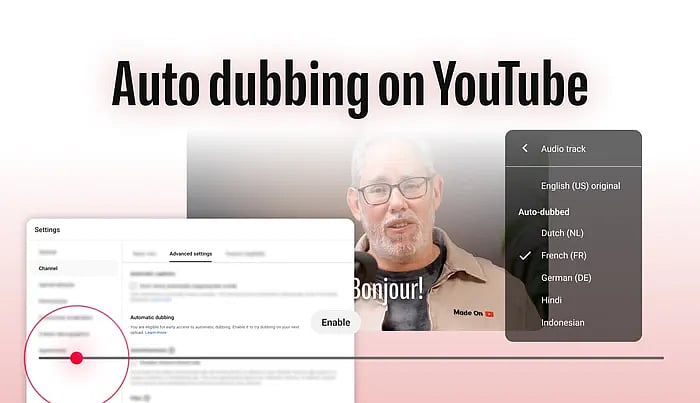
YouTube is significantly expanding its AI-powered auto-dubbing tools, enabling creators and viewers to experience videos in up to 27 languages with not just translated audio, but enhanced expressive speech and synchronized lip movements — a technical leap toward more natural global video consumption.
The platform’s updated system uses machine-learning models to generate expressive speech that more closely matches the timing and cadence of a speaker’s original delivery, and aligns the dubbed audio with on-screen mouth movements where possible. The company says this will help creators reach global audiences without the high cost and effort of manual dubbing.
Indian Express reports that the new toolset expands upon YouTube’s earlier dubbing efforts by adding lip-synchronization and more nuanced intonation, addressing complaints that basic auto-dubs can sound flat or robotic.
YouTube’s move aligns with a broader trend among major platforms to employ AI for global content accessibility. The Verge notes that Meta’s cross-platform translation systems, including those for Reels and Instagram, similarly aim to break down language barriers using deep learning models trained on tons of multilingual speech data.
Behind the scenes, these systems rely on large multimodal neural networks that handle text, audio and visual cues. By learning patterns in how sounds correspond to facial motion, the models can estimate how dubbed speech should fit alongside natural mouth movements — a capability that’s critical to improving viewer experience across languages.
YouTube says it will continue refining its tools and offer creators control over whether and how auto-dubbing is applied, including options to review and adjust translations and synthesized speech. As the technology matures, the goal remains to make video content more accessible across linguistic and cultural borders — a priority in an increasingly global digital ecosystem.
Network Links
GN StoreDownload our app
© Al Nisr Publishing LLC 2026. All rights reserved.