UAE visa cancellation: Does your health insurance cover you during the grace period?
Staying in the UAE after visa cancellation? Don’t overlook your health insurance
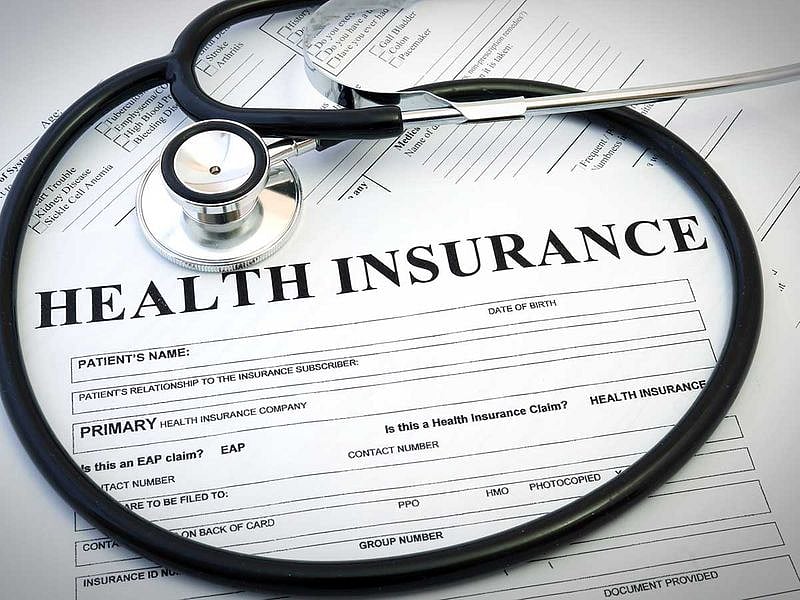
Dubai: If your UAE residence visa is cancelled, you may have a grace period of 30 to 90 days to remain in the country. But that does not necessarily mean your employer-provided health insurance will remain valid for the entire period.
There is no single standard rule across the UAE, as health insurance requirements and arrangements differ between emirates.
Get updated faster and for FREE: Download the Gulf News app now - simply click here.
Dubai: Health insurance continues for 30 days
In Dubai, if an employee’s residence visa is cancelled, their employer must keep their health insurance active for 30 days after the cancellation or until the employee leaves the UAE, whichever happens first.
This is set out in Article 26 of Administrative Resolution No. (78) of 2022, which issued the Implementing Bylaw of Law No. (11) of 2013.
This means the 30-day insurance period should not be confused with the immigration grace period, which may allow someone to remain in the UAE for longer.
What happens in other emirates?
The situation can be more nuanced outside Dubai.
“Your health insurance being active depends on the validity of the health insurance. While your residency visa and health insurance are linked, they do not necessarily have the same expiry date,” Firose Khan, CEO and Managing Partner of Arabian Business Centre – Amer, explained to Gulf News.
“When it comes to the residence visa being cancelled by the employer, there isn’t really a standard rule. Some employers terminate the insurance on the same day they cancel your visa, while others keep it active during the grace period, especially if they are giving you time to find a new job.”
“That’s why it is best to check with your previous employer to understand what the health insurance policy is.”
What is a UAE visa cancellation grace period?
Visa cancellation is a formal process that ends your legal residency in the UAE. It is usually initiated by your employer, sponsor or yourself if you are leaving the country.
Once cancelled, your visa becomes invalid and your residency status is effectively revoked.
After cancellation, the UAE government gives a grace period of 30 to 90 days, depending on the circumstances. This allows residents to find a new job and apply for a new visa, switch their visa category or make arrangements to leave the country.
Who provides health insurance for expat workers?
In the UAE, employers are required to provide and fund health insurance for their employees. This responsibility also applies to sponsors of domestic workers.
Abu Dhabi
In Abu Dhabi, employers and sponsors are responsible for providing health insurance for their employees and, usually, their families, including one spouse and up to three children under 18.
Dubai
Health insurance is mandatory in Dubai under the Dubai Health Insurance Law, which came into effect in January 2014. Employers are legally responsible for providing health insurance for their employees.
If an employer provides insurance only for the employee and not their family, the employee is required by law to arrange coverage for dependants under their sponsorship, including a spouse, parents or children.
Northern Emirates
As of January 2025, all private-sector employees and domestic workers in the UAE’s northern emirates, Sharjah, Ajman, Umm Al Quwain, Ras Al Khaimah and Fujairah, must have basic health insurance coverage. This extends mandatory insurance schemes already in place in Abu Dhabi and Dubai.
According to MOHRE, employers must obtain a health insurance policy as a condition for issuing or renewing residency permits. Policies can be purchased through the DubaiCare Network or any accredited insurance provider.
Network Links
GN StoreDownload our app
© Al Nisr Publishing LLC 2026. All rights reserved.