District Cooling: How it works
District cooling vs chiller free in Dubai: What's the difference?
Why the type of air conditioning can significantly impact your monthly housing costs
Last updated:
3 MIN READ
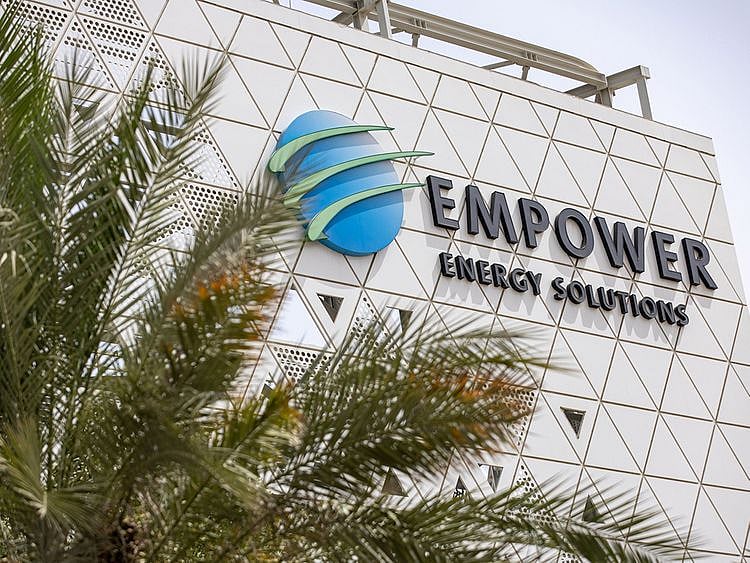
Cooling accounts for almost half of Dubai’s electricity demand, making it one of the biggest expenses to consider when renting.
Shutterstock
Dubai: Cooling is essential to life in the UAE. In Dubai, air conditioning accounts for almost half of the Emirate's total electricity demand.
District cooling now meets more than 20 per cent of the city's cooling needs, according to the Regulation and Supervision Bureau for Electricity and Water of Dubai (RSB), Dubai's government body that regulates the cooling sector.
If you're renting in Dubai for the first time, you will likely come across terms such as 'chiller-free', 'district cooling' and 'cooling charges' and wonder what they actually mean. Understanding these terms matters more than you might think. AC usage rises sharply in summer, pushing bills up, and the cooling arrangement tied to your property can make a real difference to your overall housing costs.
Get updated faster and for FREE: Download the Gulf News app now - simply click here.
What is district cooling?
District cooling is a centralised air conditioning system used in many residential and commercial buildings in the UAE.
Instead of each apartment having its own outdoor AC compressor, a central cooling plant chills water and pumps it through underground pipes to multiple buildings. That chilled water is then used to cool apartments and offices.
Major district cooling providers include:
Tabreed
Nakheel
Palm District Cooling
Many property companies and residential areas have their own district cooling, such as La Mer, City Walk, Sobha Realty and Dubai Festival City Cooling.
District cooling is generally considered more energy-efficient than having individual AC systems for every unit.
What are cooling charges?
Cooling charges are the fees you pay for air conditioning if your building uses district cooling.
These charges are usually billed by district cooling providers, such as Empower, Tabreed or Emicool.
Cooling bills may include:
A consumption charge based on how much cooling you use.
A fixed capacity charge, which is charged regardless of usage to cover the reserved cooling capacity for your unit.
For example: an electricity and water bill from the utility provider (DEWA), and a cooling bill from the district cooling company (Emicool).
What does chiller-free mean?
Chiller-free is not a type of cooling system. It is a feature of a rental property. It means your air conditioning (cooling) cost is already included in your rent, so you don't get a separate bill for cooling from the district cooling company.
If a property is advertised as chiller-free, it generally means:
The landlord pays the cooling charges.
You do not receive a separate bill from the district cooling provider.
Your electricity bill (for lights, appliances, etc.) is still paid separately through your utility provider.
Example
Imagine you rent two identical apartments:
Apartment A with district cooling (not chiller-free)
Rent: Dh70,000/year
Electricity: You pay
Water: You pay
Cooling charges: You pay separately each month
Apartment B (chiller-free)
Rent: Dh74,000/year
Electricity: You pay
Water: You pay
Cooling charges: Included in the rent
Although Apartment B has a higher rent, you won't have to budget for separate cooling bills.
District cooling vs chiller-free: Which is better?
This depends on your budget and how you like to manage monthly costs.
Chiller-free
Better for predictable housing costs, as the landlord covers cooling charges and you won't get a separate bill. You will still pay electricity and water unless stated otherwise in your tenancy agreement. Rent may be slightly higher to cover this, though not always, pricing depends on location, building and amenities.
District cooling
You will pay a separate cooling bill on top of rent and utilities, potentially including both fixed and usage-based charges. Most of Dubai's newer, popular communities use district cooling, including JVC, Motor City, DIP, Dubai Sports City, DSO, Discovery Gardens, Downtown Dubai, Business Bay, JBR and JLT.
Chiller-free property options are comparatively limited, so you're more likely to encounter district cooling when renting.
JVC, DSO and Discovery are one of the many residential communities in Dubai with district cooling.
The bottom line
The key difference is how cooling is billed, not cost:
Chiller-free: Included in rent, so costs are predictable.
District cooling: Billed separately, so costs vary with usage.
When comparing apartments, look beyond rent - factor in cooling charges, electricity, water and other recurring fees.
Network Links
GN StoreAbout Gulf NewsTerms & ConditionsReach by GNSitemapContact usPrivacy PolicyGN FocusHave your sayWork with usAdvertise with usGulf News epaperPrinting Services
Download our app
© Al Nisr Publishing LLC 2026. All rights reserved.