Hajj leave in UAE private sector: Everything you need to know
Key rules, eligibility and application steps for Hajj leave in UAE private firms
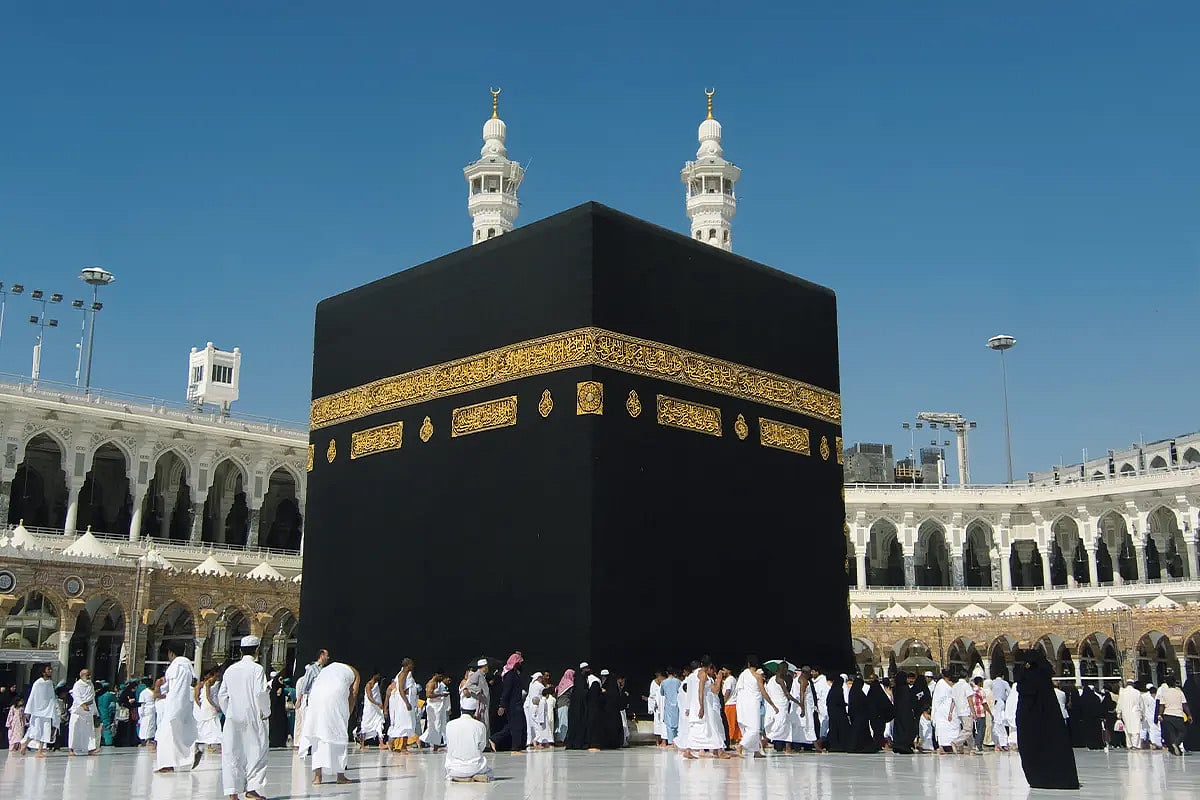
Dubai: Planning to perform Hajj this year involves more than travel bookings and preparations for the pilgrimage itself. If you are working in the UAE’s private sector, one of the key steps is ensuring your leave is arranged properly and well in advance.
Here is a breakdown to how Hajj leave works, along with what you need to do before applying.
What is Hajj leave?
Under the UAE’s Labour Law (Federal Decree-Law No. 33 of 2021), employees may be granted special leave specifically to perform the Hajj pilgrimage. This is a distinct category of leave and comes with specific conditions.
In most cases:
Hajj leave is unpaid
It can be granted for up to 30 days
It is allowed only once during your employment with the same employer
This means that if you have already taken Hajj leave with your current employer, you are not entitled to it again unless you change jobs.
Get updated faster and for FREE: Download the Gulf News app now - simply click here.
Rules for free zones in UAE
If you work in a financial free zone, slightly different rules apply, although the overall approach remains similar.
Under the Dubai International Financial Centre (DIFC) Employment Law:
Muslim employees must have completed at least one year of continuous service
They are entitled to up to 21 days of unpaid leave
This leave can only be taken once per employer
Meanwhile, under the Abu Dhabi Global Market (ADGM) employment regulations:
Employees must also have completed at least one year of service
They can take up to 30 calendar days of unpaid leave
The leave is granted once during employment with the same employer
When should you apply for Hajj leave?
Because Hajj leave can last several weeks, it is important to apply as early as possible. Employers need time to plan for your absence, especially if your role involves ongoing responsibilities or deadlines.
Ideally, you should:
Submit your request well in advance (several weeks or even months ahead)
Avoid leaving it until the last minute, as this may affect approval or workplace arrangements
How to apply for Hajj leave
While the exact process depends on your company’s internal policies, most employers in the UAE follow a similar structure.
1. Submit a formal request - Send a written application to your manager or HR department. Many companies require you to apply through an internal HR system.
2. Provide supporting documents - You may be asked to show proof of your intention to perform Hajj. This could include Hajj registration confirmation and travel bookings or itinerary
3. Plan your workload – Before your leave begins, you may need to complete pending tasks, hand over responsibilities to colleagues and brief your team or manager on ongoing work
4. Agree to employer conditions - Some employers may set specific conditions, such as ensuring a smooth handover or being available for urgent queries before departure.
Things to keep in mind
Hajj leave is not automatic. While UAE law allows employers to grant it, the approval still depends on company policies and operational requirements. This is why early communication is important.
You should also factor in that:
The leave is unpaid, so plan your finances accordingly
The duration may vary depending on your employer’s approval
Company policies may offer additional flexibility, but cannot exceed legal limits
Hajj is a once-in-a-lifetime religious obligation for many Muslims, and UAE labour laws recognise its importance by allowing dedicated leave. However, since it is unpaid and limited to one-time use per employer, careful planning is essential.
Network Links
GN StoreDownload our app
© Al Nisr Publishing LLC 2026. All rights reserved.