Watermelon juice summer craze: Healthy refreshment or sugar overload in disguise? UAE experts weigh in
So… is this the miracle summer drink or just fruity confusion in a glass?
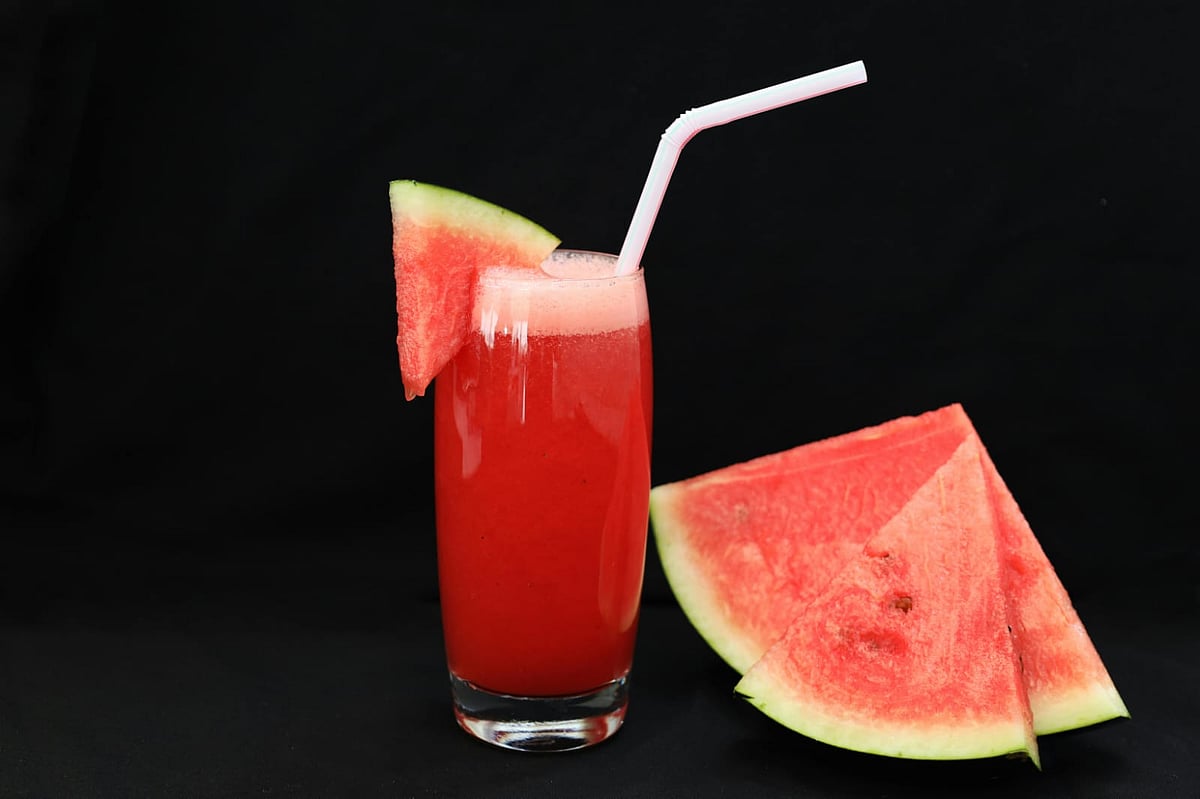
Nothing like a scroll through Reddit to make you question everything you’ve ever blended in your kitchen.
One minute you're poring over hydration hacks and detox drink recipes, and the next, you’re deep in a thread debating whether watermelon juice is sugar water in disguise.
And because it’s 2026 and no one trusts anything anymore without cross-checking it three times, I did what everyone in their post-30s does: Opened Google, then Reddit, and immediately spiralled into nutritional anxiety.
Get updated faster and for FREE: Download the Gulf News app now - simply click here.
Nevertheless, grateful for the user who helped others out and wrote, “There is no danger in a bunch of watermelon juice, beyond any regular high juice intake issues. If it seems too much to drink, you could probably freeze it into popsicles as an idea. It will definitely spoil after a few days from high sugar content.”
While another grimly explained, “Drink it up. It’s fine. If you are concerned about total calories then you can limit carbs elsewhere.”
And there's one who provided a helpful summer hack, “I just incorporated watermelon juice into my life and it has made me stop craving sweets. I just tried watermelon juice and ginger. It is so good.”
So… is this the miracle summer drink or just fruity confusion in a glass?
Let's see what the doctors say.
So, is watermelon juice actually healthy?
According to clinical dietitian and nutritionist Raghda Ali of Medcare Hospital Sharjah, watermelon juice can absolutely be a healthy summer choice, but only if you don’t treat it like an unlimited refill station. "It’s packed with water content, vitamins like A and C, and antioxidants such as lycopene, the same compound studied for its role in heart and skin health."
Research backs this up too. A 2020 systematic review in Molecules found that lycopene may help modulate oxidative stress and low-grade inflammation, both of which are linked to cardiovascular disease risk, though findings in human studies remain mixed.
But, and this is where the internet’s 'drink-it-all-day' advice needs a reality check, juice is not the same as fruit.
The sugar question everyone’s Googling
Yes, watermelon is hydrating. Yes, it’s natural. But it still contains fruit sugars, and once you blend it into juice, things get concentrated fast.
Watermelon naturally contains sugar, explains Alvis K Benny, Dietitian and Diabetic Educator from Aster Clinic Qusais, Damascus Street. "One glass of fresh watermelon juice has around 9–10 grams of natural sugar. Although it is healthier than soft drinks or packaged juices, an excessive intake may raise blood sugar levels, especially in people with diabetes or weight concerns. Fresh juice without added sugar is always the better choice."
This aligns with guidance from the Harvard T.H. Chan School of Public Health, which notes that even 100 per cent fruit juice lacks the fibre found in whole fruit, leading to faster absorption of natural sugars and quicker blood sugar rises compared to eating fruit whole.
So in short: Your body processes a glass of juice very differently from a bowl of watermelon chunks you actually have to chew.
Juice versus whole fruit: The not-so-fun truth
If you’re wondering whether to drink it or just eat it, science has been rather consistent on this one. “Eating whole watermelon is considered healthier than drinking it as juice,” says Ali.
And why: Fibre slows sugar absorption, improves digestion, and keeps you full longer. Once you remove that fibre, you’re essentially speeding up how quickly your body absorbs everything, including the sugars.
Public health guidance from organisations like the World Health Organization (WHO) also emphasises limiting free sugars, including those found in fruit juices, even when they’re 'natural.'
So how much is actually okay?
For most healthy adults, experts suggest around one small to medium glass a day during hot weather is reasonable, depending on your diet, activity level, and overall health. "For most healthy adults, 1 glass (200–250 ml) of fresh watermelon juice a day is generally safe during summer. It is best to avoid adding extra sugar," explains Benny. However, people with diabetes or kidney-related conditions should consume it based on medical advice.
Or, in internet terms: Watermelon juice is fine… until it becomes your emotional support beverage.
The verdict
Watermelon juice isn't going to destroy your summer, and it’s definitely not a miracle elixir either. It sits somewhere in that middle zone where most good things live: refreshing, hydrating, nutrient-rich, but still something your body notices if you overdo it.
So yes, enjoy the glass. Maybe even add ginger like that enthusiastic Reddit user. Just don’t go overboard. As it turns out, even summer hydration needs boundaries.
Network Links
GN StoreDownload our app
© Al Nisr Publishing LLC 2026. All rights reserved.